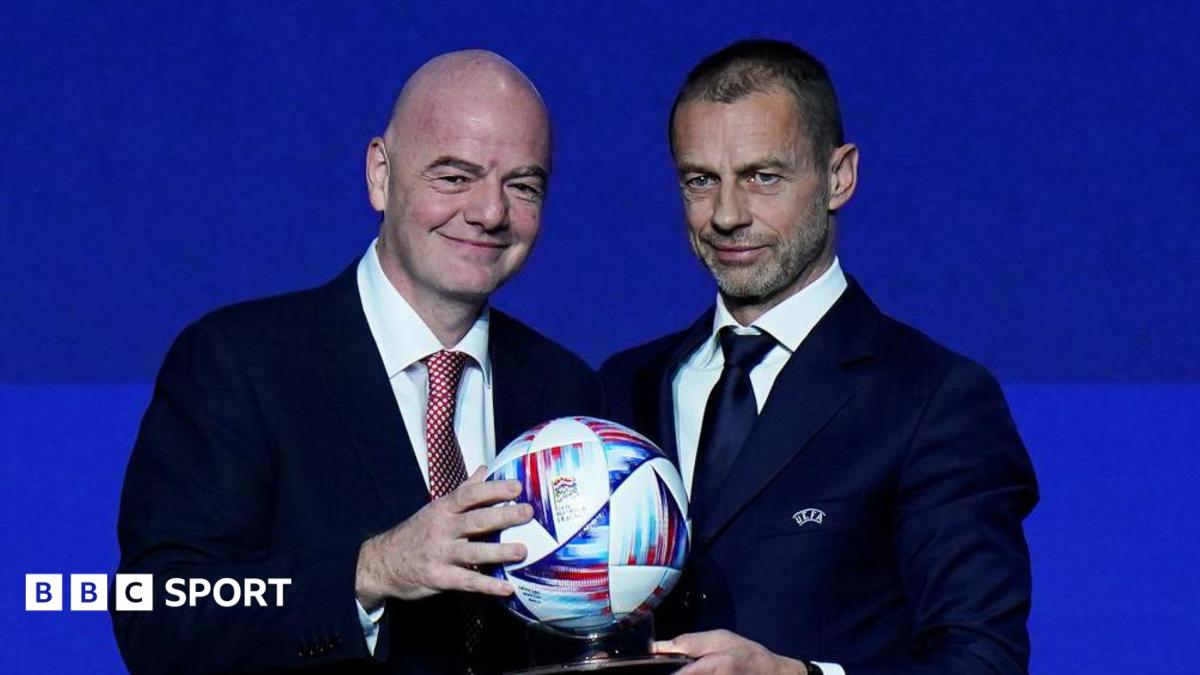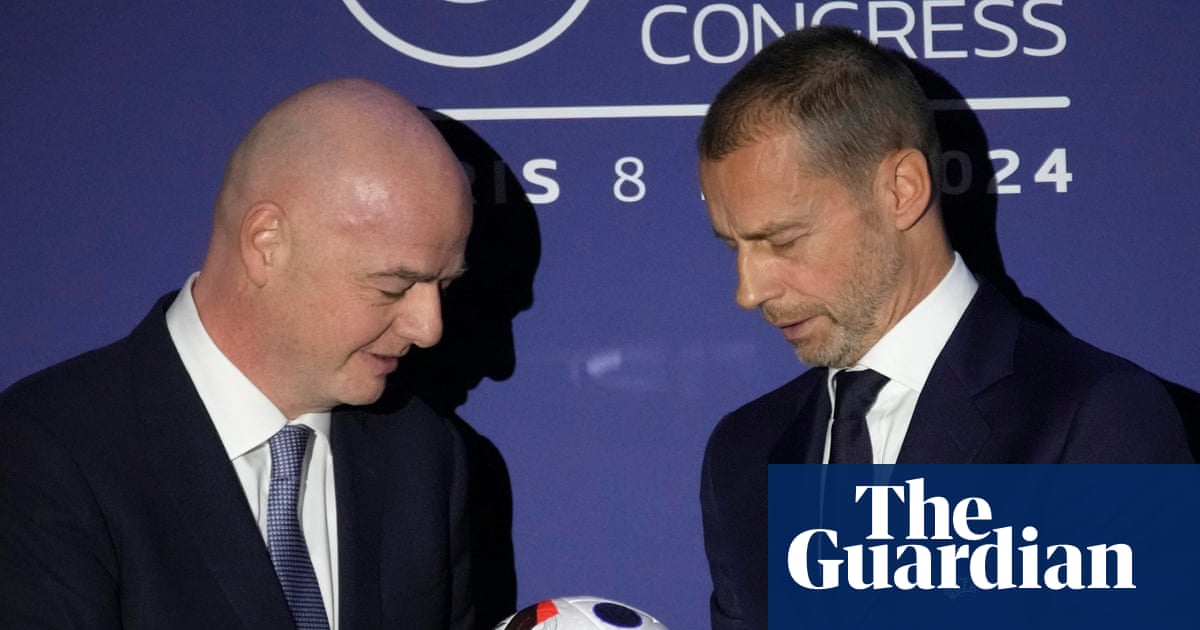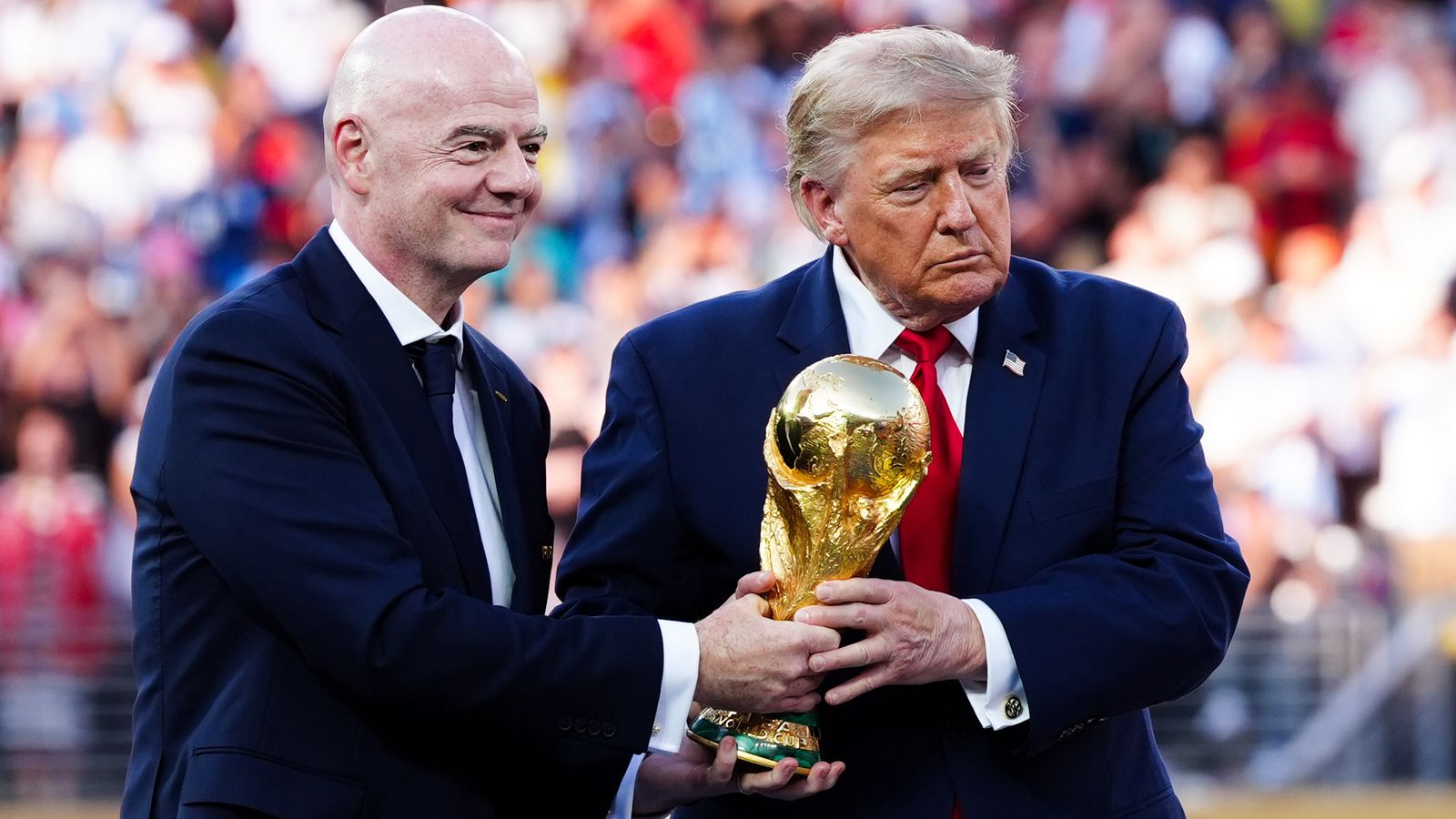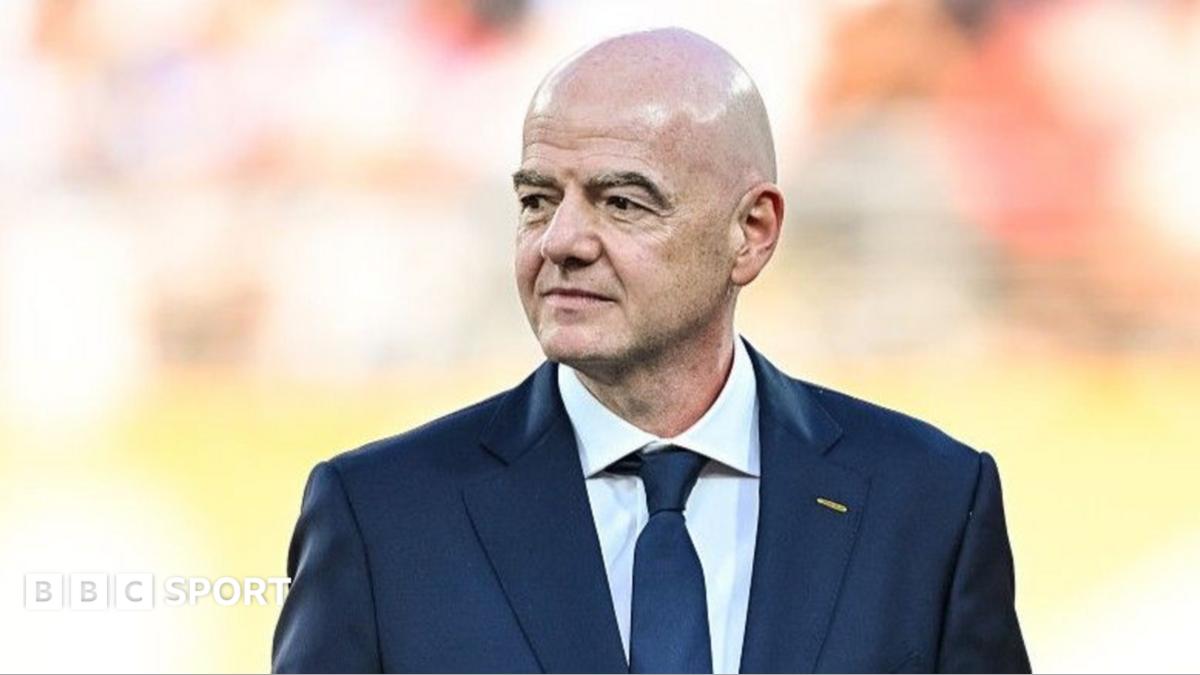
Infantino hits a wall on FIFA tournament equity
Gianni Infantino's vision for the financial future of FIFA has hit a massive obstacle. Over a span of five days, the FIFA president saw his aggressive strategy to sell stakes in global competitions unravel under pressure from internal dissent and external pushback. The plan, which aimed to generate immediate liquidity through private equity involvement, has been shelved for the foreseeable future.
This failure to secure funding marks a significant shift in how the organization approaches its commercial operations. Sources close to the negotiations report that key stakeholders were spooked by the implications of losing long-term control over tournament broadcasting and commercial rights. As BBC Sport's Simon Stone reported, the rapid nature of this collapse surprised even those within the Zurich headquarters who expected a smoother transition toward a new commercial model.
Historical context and the fallout of the five-day collapse
Infantino has a track record of pushing through structural changes quickly, but this attempt faced a different breed of resistance. Previous attempts to reorganize the international calendar often met with complaints from domestic leagues, but this latest move directly threatened the institutional sovereignty of the governing body. By attempting to tokenize or sell partial stakes in major events, the administration invited unprecedented scrutiny from confederation heads.
The administrative timeline of this crisis is tight. Over four days of intensive meetings, it became clear that the necessary support for such a radical pivot simply did not exist. The internal climate shifted from curiosity to open opposition, culminating in the withdrawal of the proposal. This represents a rare public defeat for an administration that usually maintains a tight grip on policy implementation.
Strategic implications for future tournaments
The immediate strategic consequence is a return to status quo financing. FIFA must now rely on its traditional streams of revenue, which include broadcasting cycles and top-tier sponsorship deals, rather than the influx of capital that an equity-based model would have provided. This creates a budgeting constraint for upcoming tournament cycles, particularly regarding the expansion of the Club World Cup and other developmental projects.
From a competitive standpoint, there is a legitimate concern regarding the sustainability of the current tournament load. Without the massive capital injection the equity deal promised, FIFA may find it harder to subsidize the logistical costs of expanded formats without forcing further price hikes on host nations or broadcasters. This lack of financial flexibility is a genuine weakness in their long-term growth strategy.
Industry reaction and the road ahead
The broader football industry has reacted with skepticism toward the entire episode. Representatives from major domestic leagues and player unions have long voiced concerns over the increasing volume of fixtures, and this failed deal highlights the disconnect between the federation's desire for revenue and the physical reality of the sport. The expectation for a resolution to the funding crisis is now delayed indefinitely.
Observers note that this could permanently alter the trust between Infantino and the voting members of the FIFA Council. When high-stakes financial maneuvers fail in the public eye, it creates a vacuum for leadership challenges or internal restructuring. Whether this leads to a more cautious approach to commercialization remains the primary question for investors watching the space. For now, the status of FIFA’s financial portfolio remains unchanged, and the 5-day window of instability has left the organization scrambling to recalibrate its approach.