The Breakdown: Inside FIFA's Collapsed £3.1bn Deal
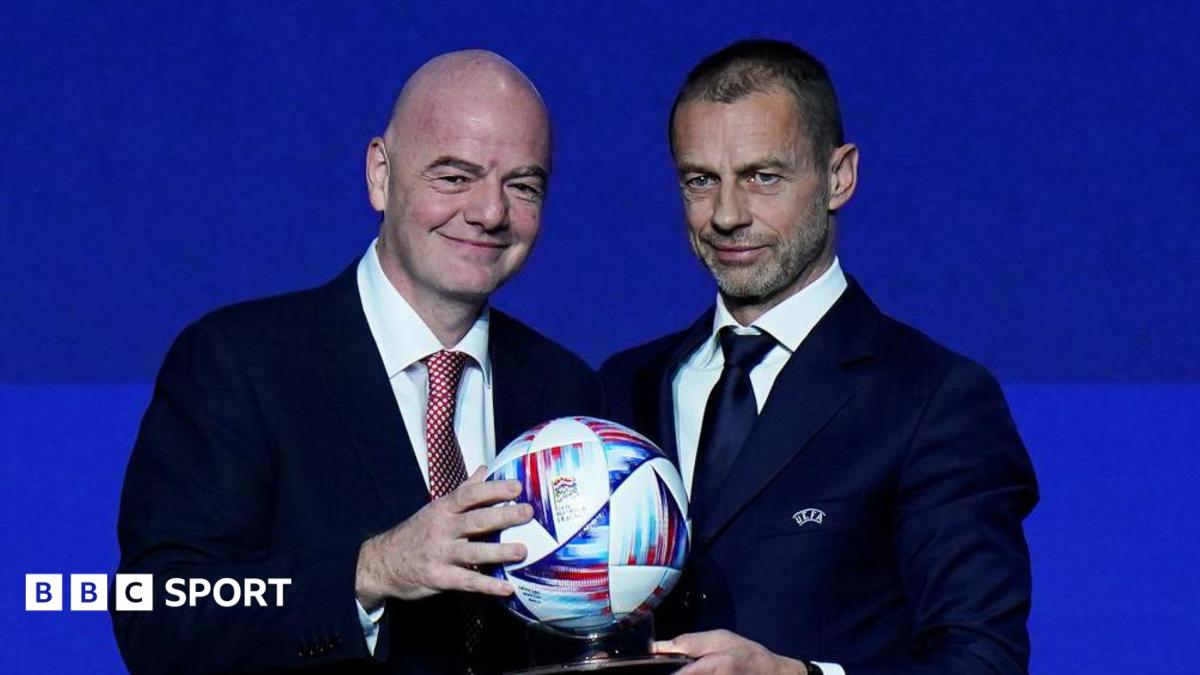
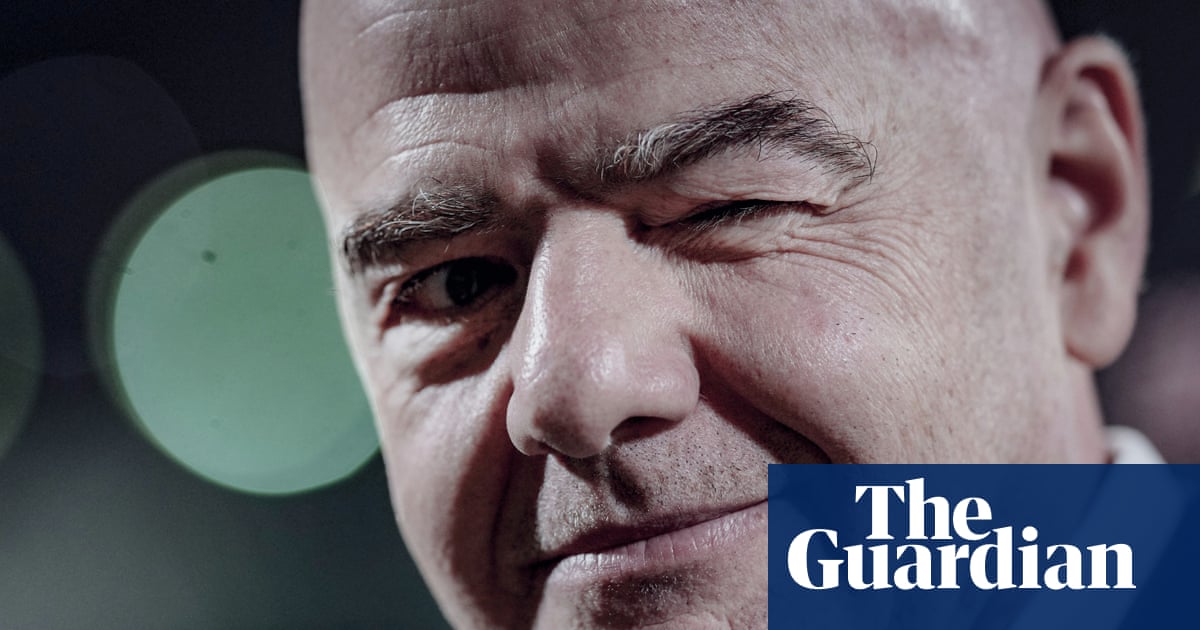
This is a Tier 1 story breaking across every major outlet in global football. The BBC, The Guardian, and Mirror Football have all confirmed that FIFA President Gianni Infantino has officially abandoned his proposal to sell off private stakes in the World Cup.
The financial mechanics of the proposed deal were staggering. Infantino sought to raise up to $4.2 billion by selling roughly a 20% stake in a newly carved-out commercial arm, placing an overall valuation on the entity at $20 billion.
That venture is now dead in the water. Following intense backlash from European, Asian, and North American governing bodies, FIFA issued an embarrassing U-turn statement admitting that the project had created severe internal divisions.
Tactical Fit and Resistance: How Confederation Opposition Drove the Collapse
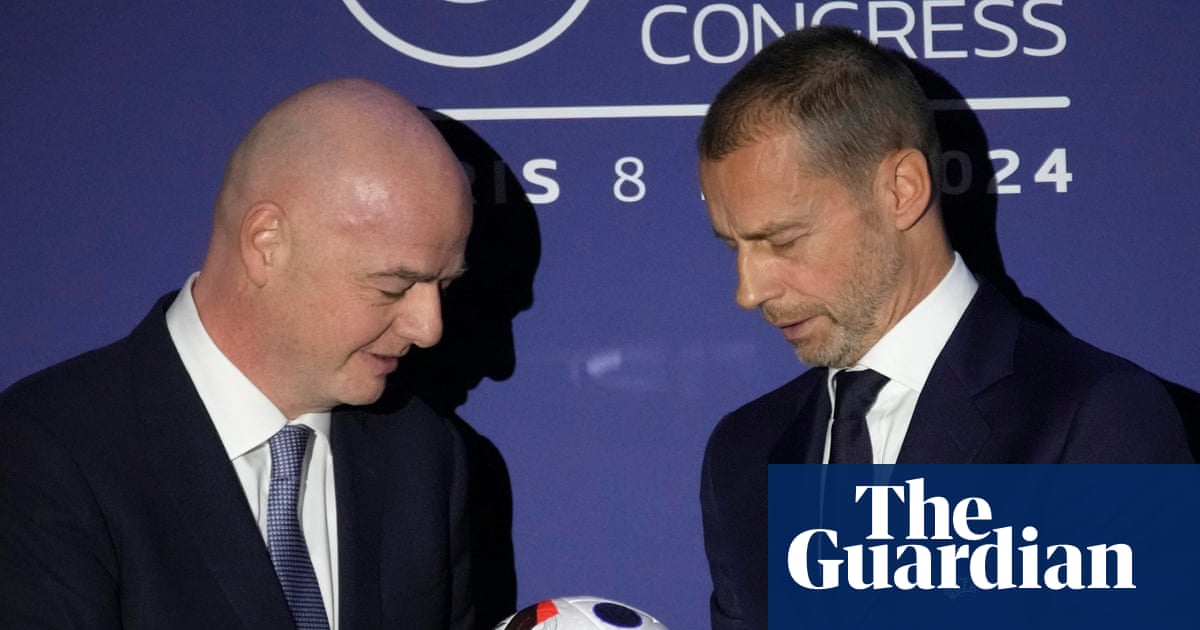
The corporate pitch deck ran 25 pages long, but it failed to convince the stakeholders who hold actual power in the global game. Opposition crystallized quickly when UEFA declared outright war on the proposal, threatening a full European boycott of FIFA competitions if the deal moved forward.
As reported by The Guardian, the revolt rapidly expanded beyond Europe. The Asian Football Confederation joined UEFA and Concacaf in blocking the bid, effectively denying Infantino the voting majority required to execute the transaction.
The internal fallout was immediate and brutal. A senior FIFA advisor resigned in protest as the plan unraveled, leaving Infantino completely isolated on the board level.
We cannot keep going on with secret schemes.
That single line from UEFA's official statement exposes how deep the governance rift has become. The European body formally declared a total loss of confidence in Infantino's leadership, marking the most serious political crisis of his tenure.
Executive Profile: Infantino's Decade in Power Reaches a Tipping Point
Infantino took office a decade ago promising transparency and modernized revenue streams. Ten years later, European football leaders argue he has completely failed to deliver on those original commitments.
Former England international Peter Reid was equally blunt when discussing the situation with reporters. As Mirror Football detailed, Reid stated directly that Infantino must step down for the good of the game.
Critical flaws in the proposal extended beyond governance issues. An analysis of FIFA's 25-page sales deck revealed that women's football received only a single mention despite impending youth and senior international qualifiers, raising immediate concerns over how equity and development funds would be distributed.
The political embarrassment reached political circles in Washington as well. When asked directly about discussions regarding private investment firms, U.S. President Donald Trump offered a curt response denying any knowledge of the scheme.
Financial Terms and Probability Assessment
The proposed structural valuation of £14.8 billion for FIFA's tournament rights was designed to inject immediate capital into Zurich, but member associations saw it as a short-sighted cash grab that sacrificed long-term control.
- Proposed stake sale: £3.1 billion ($4.2 billion) for a 20% share.
- Implied total asset valuation: $20 billion (£14.8 billion).
- Key opposing blocs: UEFA, AFC, Concacaf.
- Current transaction status: Scrapped completely.
Our probability assessment for the commercial transaction moving forward is zero percent. The financial deal is dead, but the political fallout is just beginning to accelerate.
As confirmed by the BBC's coverage, UEFA is now actively accelerating efforts to force Infantino out of office entirely. The timeline for his potential departure is expected to stretch across the upcoming governance meetings later this autumn.
The Verdict: Expected Impact on World Football
The immediate consequence of this deal collapsing is that full ownership and commercial control of the World Cup remain strictly within the hands of FIFA's 211 member associations. Private equity will not get its foot in the door of international football's premier asset.
However, the political damage to Infantino is irreversible. Having lost the backing of three major continental confederations, his ability to pass major legislative or financial reforms through FIFA congress is practically non-existent.
Expect an aggressive push from European and Asian delegates over the coming months to rewrite FIFA's executive voting rules. Without trust from UEFA, Infantino's remaining time in Zurich will be defined by constant gridlock and defensive posturing.
Read Next
- UEFA just nuked Gianni Infantino's FIFA legacy and it's about damn time
- FIFA's World Cup privatization scheme crashes into immediate reality
- Donald Trump keeps it brief on Gianni Infantino's wild FIFA World Cup selloff
- FIFA's financial gamble is putting World Cup ownership on the line
- 🏆 World Cup 2026 — Full Coverage Hub