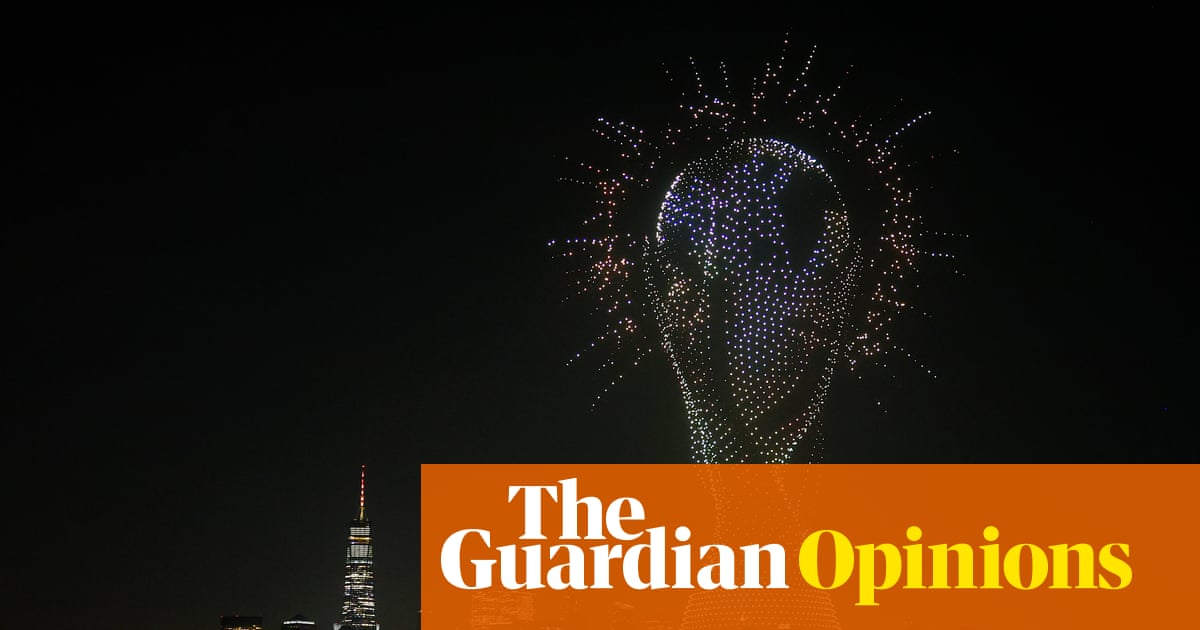
The empty promises behind the 2026 spectacle
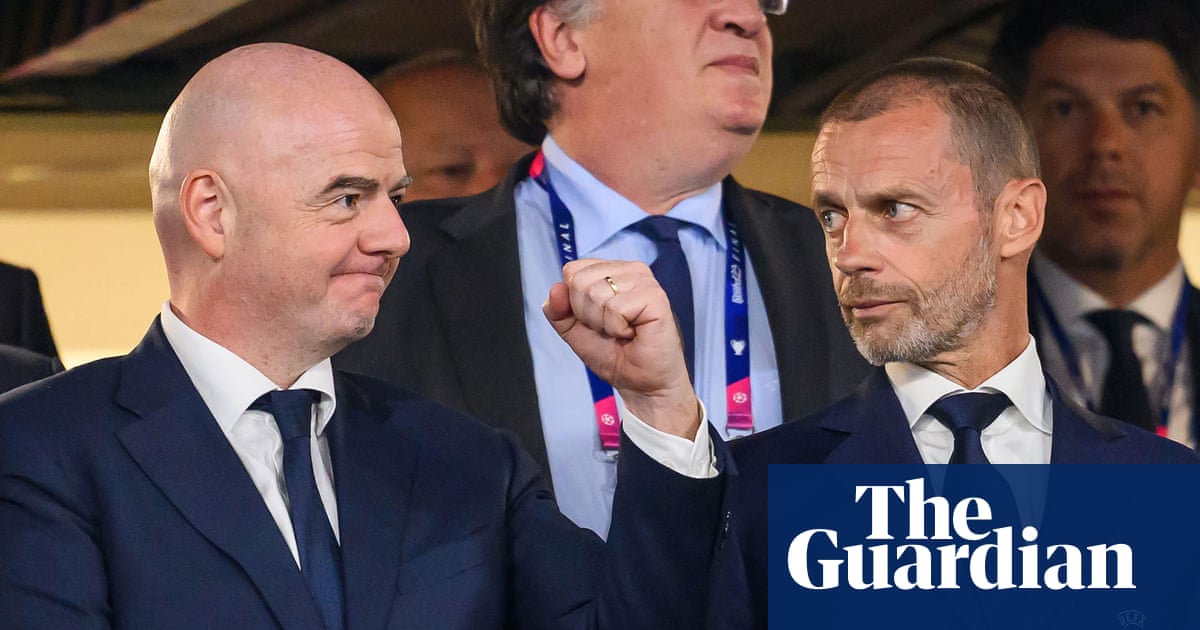
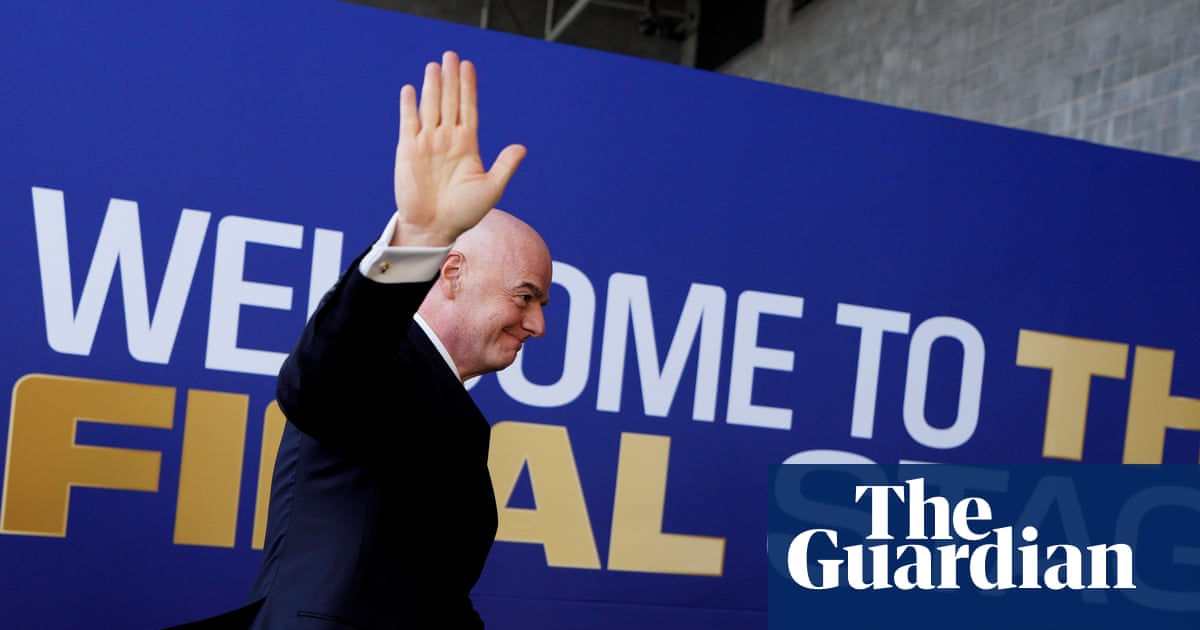
FIFA left the United States today with pockets significantly heavier than when they arrived for the 2026 World Cup. While the broadcast rights and ticket metrics undoubtedly surged, the actual impact on domestic soccer remains a hollow shell. As Leander Schaerlaeckens reported for The Guardian, the tournament was a success strictly by FIFA’s internal accounting, not by any metric of community uplift or genuine sporting development.
We saw record-setting revenue figures that effectively drained resources from host cities. The promise of an American soccer revolution has been traded for a short-term corporate influx that benefits high-level executives rather than grass-roots programs. It is a familiar pattern where local municipalities foot the bill for security, logistics, and infrastructure while the governing body exports the earnings to offshore accounts.
Tactical stagnation in the wake of the tournament
Expect the post-tournament analysis to focus on the flashy goals or the attendance milestones. Reality paints a bleaker picture. The 2026 edition did not modernize the game or fix the fragmentation of the American club system. Instead, it served as a massive commercial advertisement that solidified FIFA’s hold on the region without requiring them to invest in the longevity of the product.
The lack of meaningful reinvestment is the primary failure here. We watched a tournament generate $7.5 billion in revenue, a figure that dwarfs any previous iteration in modern history, yet the youth development coaching remains stagnant. Clubs are still struggling with disjointed talent pipelines that prioritize pay-to-play models over skill acquisition. This isn't a developmental milestone; it is a corporate extraction event.
The quiet aftermath of a massive vanity project
Watch for the fallout in the coming municipal budget meetings across the host cities. Officials will scramble to justify the spending on temporary facilities that provide zero long-term value to local leagues or training academies. The fan experience was top-tier for those who could afford the entry, but the average weekend player didn't see an improvement in pitch quality or accessibility.
My prediction? We will see a slow realization that the surge in interest is fragile. Without a concrete plan to funnel those ticket proceeds into accessible training centers, the enthusiasm will dissipate by next summer. FIFA will move on to the next mega-host, leaving the United States with overpriced stadiums and a hollowed-out development strategy. This is not a legacy; it is a liquidation of opportunity masked by fireworks.
Read Next
- The 2026 World Cup legacy is just a giant middle finger to the locals
- Argentina's disgraceful final whistle brawl cannot hide their tactical defeat
- The World Cup's hollow American finale exposes a tournament of diminishing returns
- Top 10: Defining Moments of Football 2026
- 🏆 World Cup 2026 — Full Coverage Hub
- 🇺🇸 USMNT World Cup 2026 — Team USA Coverage Hub