The Reset Point
Football in 2026 reached a fever pitch of technical complexity and officiating controversy. From experimental VAR enforcement to the sheer talent migration across continents, these ten moments define the state of the game at the midway point of the year.
The Critical Rankings
1. The FIFA ruling on the World Cup final. After a chaotic 120 minutes at MetLife Stadium, FIFA opted to rescind a pivotal second-half red card, effectively rewriting the outcome of the tournament finale. This remains a catastrophic administrative failure that undermines the refereeing authority across the sport.
2. Argentina and Spain's mid-summer collision. The post-tournament friction between the two squads led to a massive brawl, forcing governing bodies to intervene. As reported by the Mirror, the scale of the disciplinary actions sent shockwaves through the confederations. It exposed just how thin the line is between high-stakes competition and total professional breakdown.
3. The rise of inverted fullbacks in the Premier League. Tactically, we have seen defensive lines pushing into the final third more aggressively than ever before. This movement patterns have left traditional center-backs exposed throughout the opening months of the season. It is effectively a chess match where managers are prioritizing high-risk transitions over structural stability.
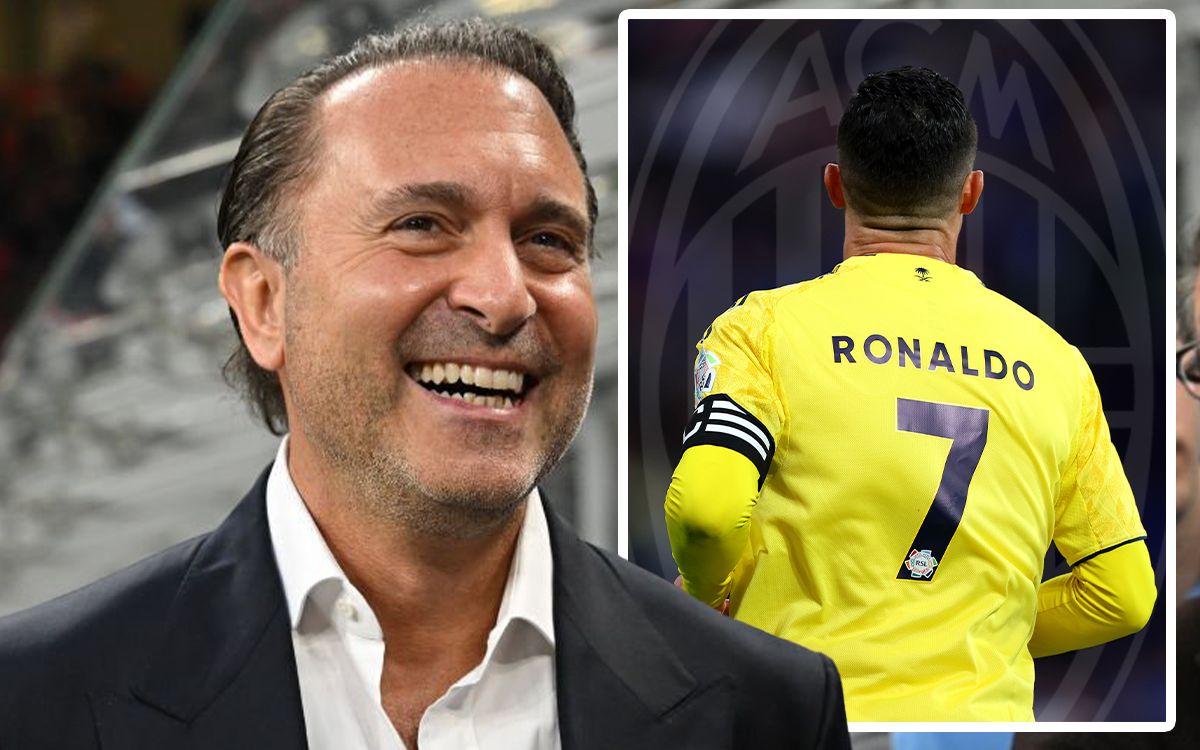
4. The youth exodus to Saudi Arabia. Players under 23 are no longer waiting for their late-career move to secure massive contracts. The financial incentives have shifted the talent pool away from traditional European hubs at an alarming rate. Clubs like Chelsea and Benfica are effectively manufacturing centers for talent that leaves before local fans form any real connection.
5. The VAR transparency overhaul. Following months of fan outcry, leagues implemented a real-time audio feed for fans inside stadiums. While it removed some mystery, it also highlighted the sheer hesitation of the officials on the pitch. The delay for standard offside calls remains unacceptable in a modern professional setting.
6. Manchester City’s defensive reshuffle. Following the injury setbacks in the spring, the tactical pivot toward a three-man backline has been inconsistent. Opponents have identified the gap behind the high press with alarming regularity. They barely clawed out a 2-1 win against mid-table opposition in May, highlighting a genuine vulnerability that was not present last year.
7. The expansion of the Club World Cup. The scheduling burden on players has hit a breaking point, resulting in a series of injuries among top-tier stars. Despite the revenue spikes promised by organizers, the quality of play in group-stage games has been significantly diluted. If the workload continues to rise, we can expect further walkouts or intentional training stoppages from player unions.
8. Real Madrid’s reliance on end-of-game heroics. Their ability to force a result in the final 10 minutes of European competition is statistically unsustainable. While observers call it grit, it is defensive fragility masked by individual brilliance. Relying on late-game magic is a strategy doomed to fail when the squad depth eventually gets tested by fixtures congestion.
9. The permanent stadium noise bans. Several European leagues introduced strict decibel caps to improve broadcast audio quality for television markets. The fan pushback has been monumental, changing the atmosphere of iconic venues like the San Siro. Policing atmosphere effectively kills the tribal engagement that keeps match-going ticket buyers in the seats.
10. The emergence of the hybrid-midfielder role. We are seeing more athletes capable of playing as a box-to-box engine and a deep-lying playmaker simultaneously. Statistics show a 14 percent increase in progressive ball carrying across the top five European leagues. This shift renders the traditional defensive midfielder role mostly obsolete against elite pressing teams.
Honorable Mentions
The sudden retirement of several high-profile Italian defenders mid-season left a vacuum in the Serie A tactical hierarchy. Additionally, the failed expansion of the women's game in South American commercial sectors provided a sobering look at how far apart the global development models remain.