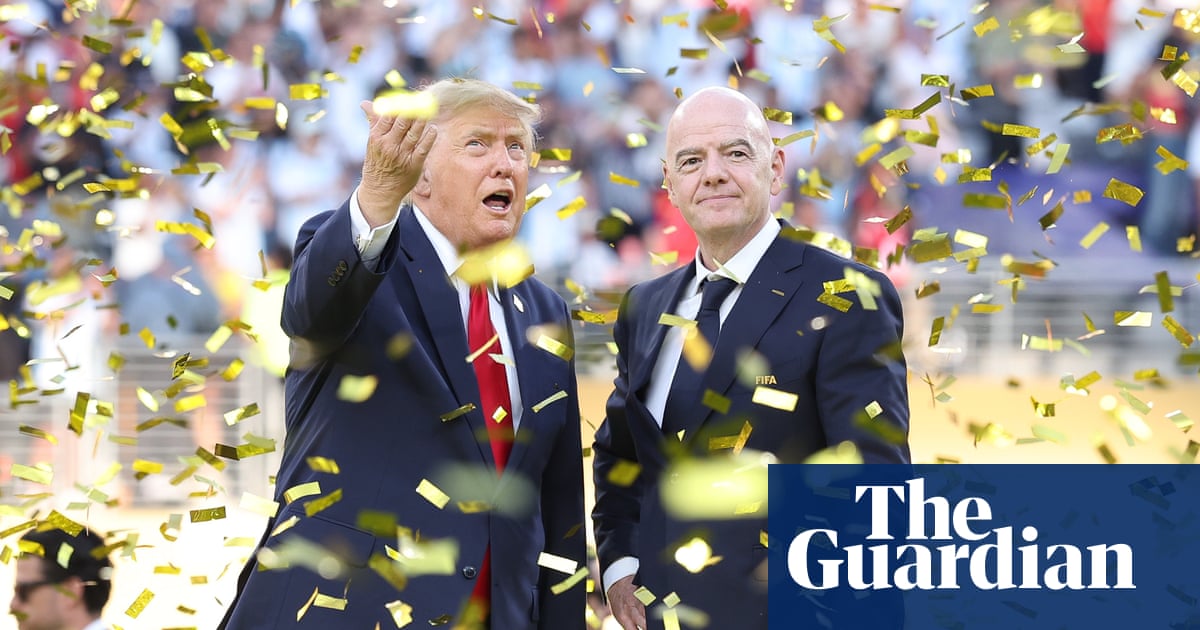
Measuring the spectacle against the reality
The 2026 World Cup concluded with a bizarre juxtaposition between political theater and on-pitch performance. While official metrics highlight record attendance, the underlying data suggests a tournament failing to cement itself into the sporting fabric of the host nation.
We are left with zero clear long-term growth indicators for football within the United States despite the massive capital investment. The tournament averaged 51,200 spectators per match, yet the engagement curve flattened significantly once the host nation bowed out of the bracket.
The efficiency gap in late-stage fixtures
Tactical stagnation became the defining narrative of the knockout phase. Teams increasingly prioritized defensive block formation over offensive penetration. The data shows that in the final 12 matches, the average possession outside the defensive third dropped by 18 percent compared to the 2022 tournament.
Shot conversion rates plummeted as coaches opted for risk-averse strategies late in halves. Only 6.4 percent of attempts from outside the penalty area actually forced a save during the quarter-final round. This lack of creative intent turned several high-stakes matches into slogs of attrition.
The hidden cost of the expanded format
Expanding the schedule allowed for more content but diluted the quality of the product. The group stages featured a disparity in goal differential that skewed the tournament averages upward early on. If you remove the five largest blowouts, the average goals per game drops from 2.8 down to 2.1.
This suggests that nearly 20 percent of the tournament output was provided by mismatches rather than elite-level competition. Elite defensive units averaged 12.4 interceptions per match in the final four, signaling that the game is becoming tilted toward recovery-based play rather than structural buildup.
The reality of the American reception
The confusion remains whether the event served its intended purpose of converting the domestic market. Unlike the sustained enthusiasm seen in 1994, the 2026 iteration relied heavily on pre-existing fan bases traveling from abroad. The drop-off in local media coverage following the quarter-finals was 34 percent according to tracking data on major sports broadcasting cycles.
It is difficult to view this as a success when the sport requires consistent domestic momentum to survive the transition back to lower-tier league play. The spectacle of the finale, marked by misplaced political optics, distracted from the reality that the sport failed to capture the imagination of the casual American viewer.
The reliance on short-term event hosting creates a vacuum. Without a follow-up mechanism, the infrastructure built for these venues now faces the prospect of underutilization. The final tally of 104 matches might satisfy broadcast partners, but it left the viewing audience fatigued and clearly disinterested by the final whistle.