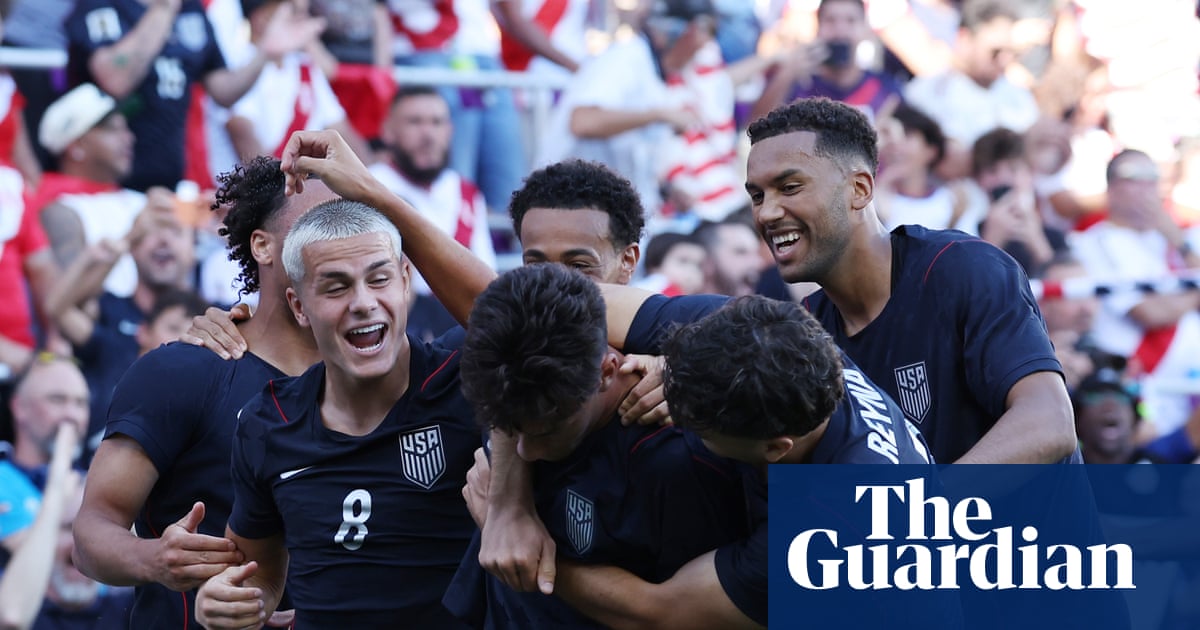
Every four years, American soccer fans engage in the exact same ritual of self-delusion. We convince ourselves that playing in front of seventy thousand screaming fans in Los Angeles and Atlanta will magically transform a solid top-twenty roster into the 1970 Brazil squad. Then reality hits in the knockout stage, leaving everyone staring at the television like Seth Rollins after a Money in the Bank cash-in goes completely off the rails.
The 2026 FIFA World Cup on home soil was advertised as the glorious climax of America's golden generation. Instead, the USMNT hit the exact same brick wall they collided with in 2010 against Ghana, in 2014 against Belgium, and in 2022 against the Netherlands. Once again, Belgium sent the Americans packing in the Round of 16, exposing every roster flaw we spent two years sweeping under the rug.
A 4-1 opening group victory over Paraguay at SoFi Stadium had optimism running wild across social media. But beating South America's sixth-best side in early June is a world away from out-tacticking a disciplined European squad in July. When the stakes escalated, the USMNT looked less like world-beaters and more like a mid-table Premier League side trying to survive away at the Etihad.
Go look at the television ratings from that Belgium game. Millions of casual fans tuned in expecting a Hollywood script where America saves the day in the 90th minute. What they got instead was a brutal tutorial in mid-block spacing and spatial awareness from a team that plays high-stakes knockout games for a living.
The hype machine insisted that hosting the tournament changed the underlying math. History demonstrates that home-field advantage only carries a team as far as its tactical spine allows. South Korea reached the semifinals in 2002 through relentless fitness and pressing, not just crowd noise. The USMNT expected vibes, home cooking, and individual magic from Christian Pulisic to bridge a massive talent deficit against elite nations.
Pochettino’s Tactical Mirage and the Pulisic Problem
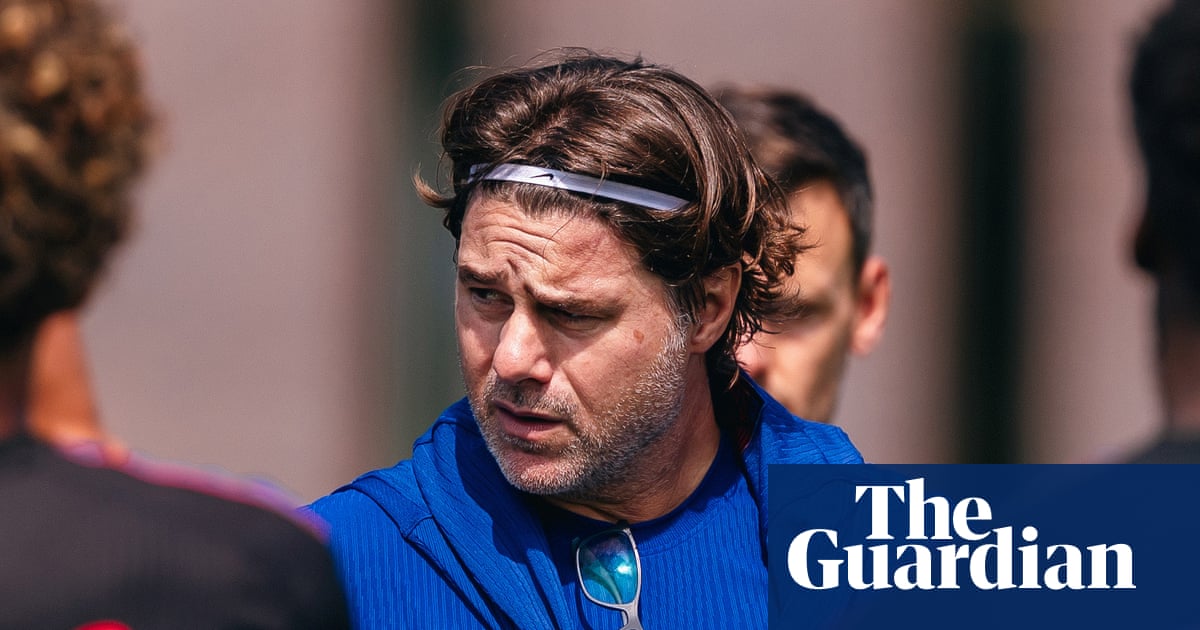
When U.S. Soccer hired Mauricio Pochettino, supporters celebrated like a savior had descended from the heavens. We were promised high-pressing intensity, tactical flexibility, and elite European standards. What materialized on the pitch was a passive mid-block that dissolved the moment opposition midfielders started sliding line-breaking passes into the half-spaces.
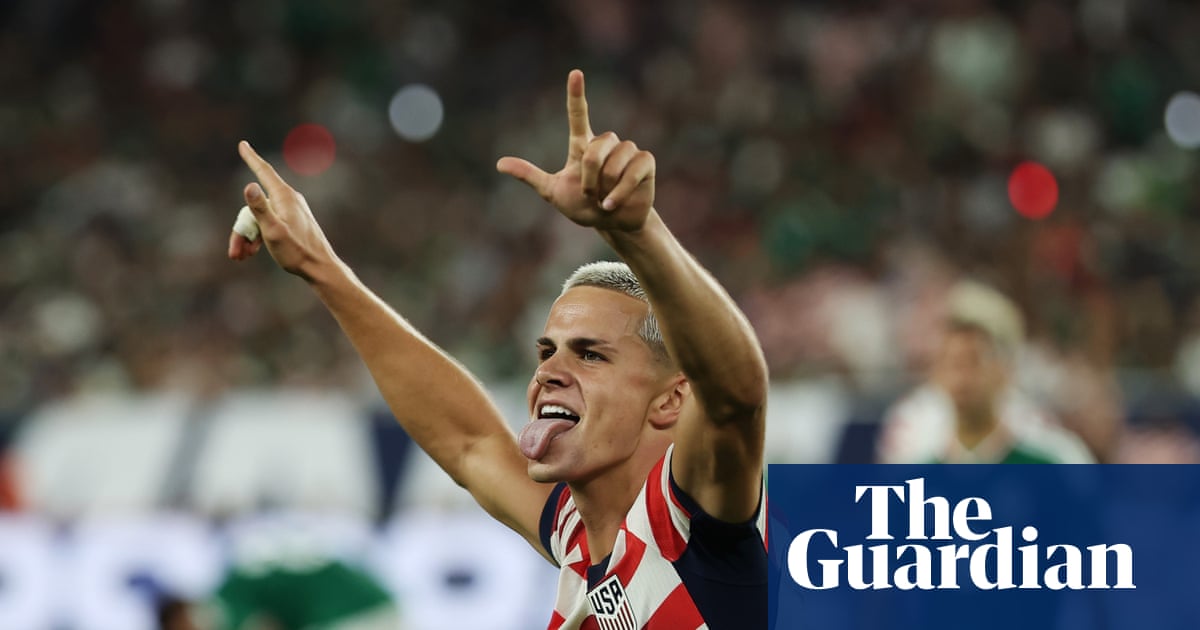
Pochettino maintained public confidence in Christian Pulisic, even comparing his importance to Lionel Messi for Argentina. Pulisic played with his usual relentless work rate, driving at defenders whenever he found space. Yet expecting one AC Milan winger to single-handedly dismantle world-class international backlines is completely unrealistic.
Whenever Pulisic drifted inside to search for possession, the left wing became entirely vacant. Antonee Robinson sprinted up and down the touchline covering seventy yards of turf, but his delivery into the box remained wildly inconsistent. High-level international defenses figure out predictable, one-dimensional wing play within twenty minutes.
Folarin Balogun managed two goals in group play, but spent the knockout match isolated against three central defenders. Without service through central channels, Balogun was reduced to chasing long balls into the corner like a rogue fullback. A center forward cannot impact an elimination match when he gets just four touches inside the penalty box all evening.
Meanwhile, Gio Reyna remained the most frustrating enigma in the entire pool. Reyna possesses more raw technical flair than almost anyone on the roster, yet Pochettino kept him on the bench as a late-game substitute. The manager was clearly terrified of Reyna's defensive work rate during transitions, leaving America's most creative passer watching from the sidelines while the offense stagnated.
Remember the 2014 World Cup match against Belgium in Salvador? Tim Howard made sixteen saves that night just to keep the scoreline respectable while Kevin De Bruyne and Romelu Lukaku ran circles around our back four. Fast forward twelve years to 2026, and the tactical script barely shifted an inch.
A Midfield Built for High Tops, Not International Elite
International tournaments are decided in the center of the pitch, and the American engine room failed the test. Tyler Adams fought courageously, but after battling multiple hamstring injuries over two seasons, he lacked the explosive recovery speed that defined his 2022 campaign. When Adams cannot cover thirty square yards by himself, the entire defensive shape breaks down.
Weston McKennie provided aerial presence and physical effort, but his distribution turned possession over far too frequently. Against elite opposition, losing the ball in the middle third is an immediate death sentence. A single careless pass in midfield leaves center-backs isolated against world-class attackers running at full speed.
The ankle injury to Johnny Cardoso stripped the 26-man roster of its only true press-resistant deep playmaker. Yunus Musah can dribble past initial pressure, but his final pass frequently turns into a turnover. Watching the American midfield attempt to build through central channels felt like watching a high school band attempt complex jazz fusion.
Tactical flexibility sounds great in press conferences when you are wearing a designer suit and answering questions from sympathetic journalists. But when Romelu Lukaku or Jeremy Doku isolate your right-back in space, tactical theories do not save you. Only individual quality and positioning save you, and the USMNT simply ran out of answers.
The defensive unit presented even deeper concerns across the entire tournament:
- Sergiño Dest returned from his knee injury, but his defensive positioning remained a constant vulnerability against top wingers.
- Mark McKenzie and Chris Richards competed hard, but neither profile as elite ball-playing central defenders under intense pressure.
- Matt Turner delivered solid reflex saves, but his shaky footwork forced the backline to drop deeper during build-up play.
When your goalkeeper panics under defensive pressure, your central defenders drop ten yards closer to the penalty box. That adjustment creates a thirty-yard chasm between the defense and midfield that European squads exploit with ruthless efficiency.
Why 2030 Won’t Look Any Different Without Structural Change
Signing Pochettino to a contract extension through 2030 offers a comfortable illusion of long-term planning. U.S. Soccer excels at celebrating corporate partnerships, record-breaking stadium attendance, and merchandise sales. Yet on the pitch, the competitive distance between the USMNT and international heavyweights remains unchanged since the 2010 World Cup in South Africa.
Look at Morocco’s historic run to the semifinals in Qatar for a real blueprint. Morocco did not achieve their breakthrough through home advantage or clever marketing campaigns. They built a defensive fortress, executed lethal counter-attacks, and relied on starting players featuring in Champions League knockout ties every single month.
By contrast, too many core USMNT players currently occupy squad roles or fight relegation battles across Europe. Sitting on the bench in Serie A or struggling at the bottom of the Premier League does not forge the tactical sharpness needed to survive World Cup quarterfinals.
We love comparing soccer to the NFL or NBA in American media, assuming money and enthusiasm can solve any structural issue. But international football is a cold, unforgiving beast. You cannot draft a franchise savior at number one overall to fix your defense overnight.
Until American player development produces world-class central defenders and composure-driven playmakers, the national team remains stuck on a treadmill. We will continue dominating regional CONCACAF matches, collecting group stage points, and hyping individual highlights on social media. Then the knockout rounds will arrive, and elite opposition will hand us the exact same exit ticket.
The 2026 World Cup on home soil was supposed to represent America's ultimate soccer breakthrough. Instead, it delivered a stern reality check packaged in red, white, and blue. Expecting a deep tournament run without fixing core positional weaknesses was pure fantasy, and high-level international football always collects its receipts.
Read Next
- The USMNT Golden Generation Is Running Out of Excuses for 2026
- Messi's Argentina retirement hurts, but we got the fairytale ending in Qatar
- The 2026 World Cup Golden Boot Race Is Going to Be Complete Chaos
- Spain’s New Golden Generation Will Cook at the 2026 World Cup
- 🏆 World Cup 2026 — Full Coverage Hub
- 🇺🇸 USMNT World Cup 2026 — Team USA Coverage Hub
- ⚽ MLS 2026 Season Hub — World Cup Year Guide