The Executive Override of World Cup Law
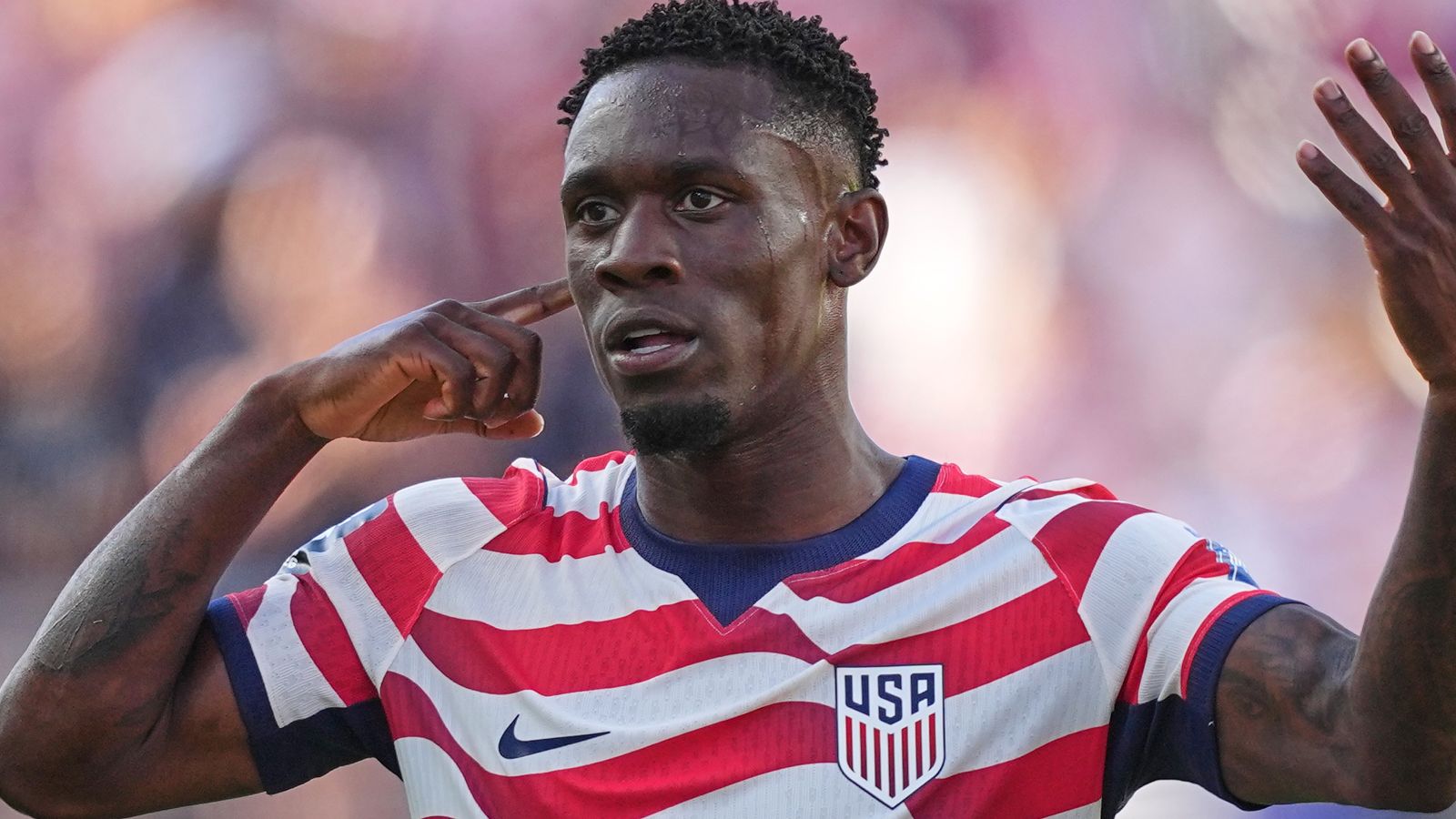
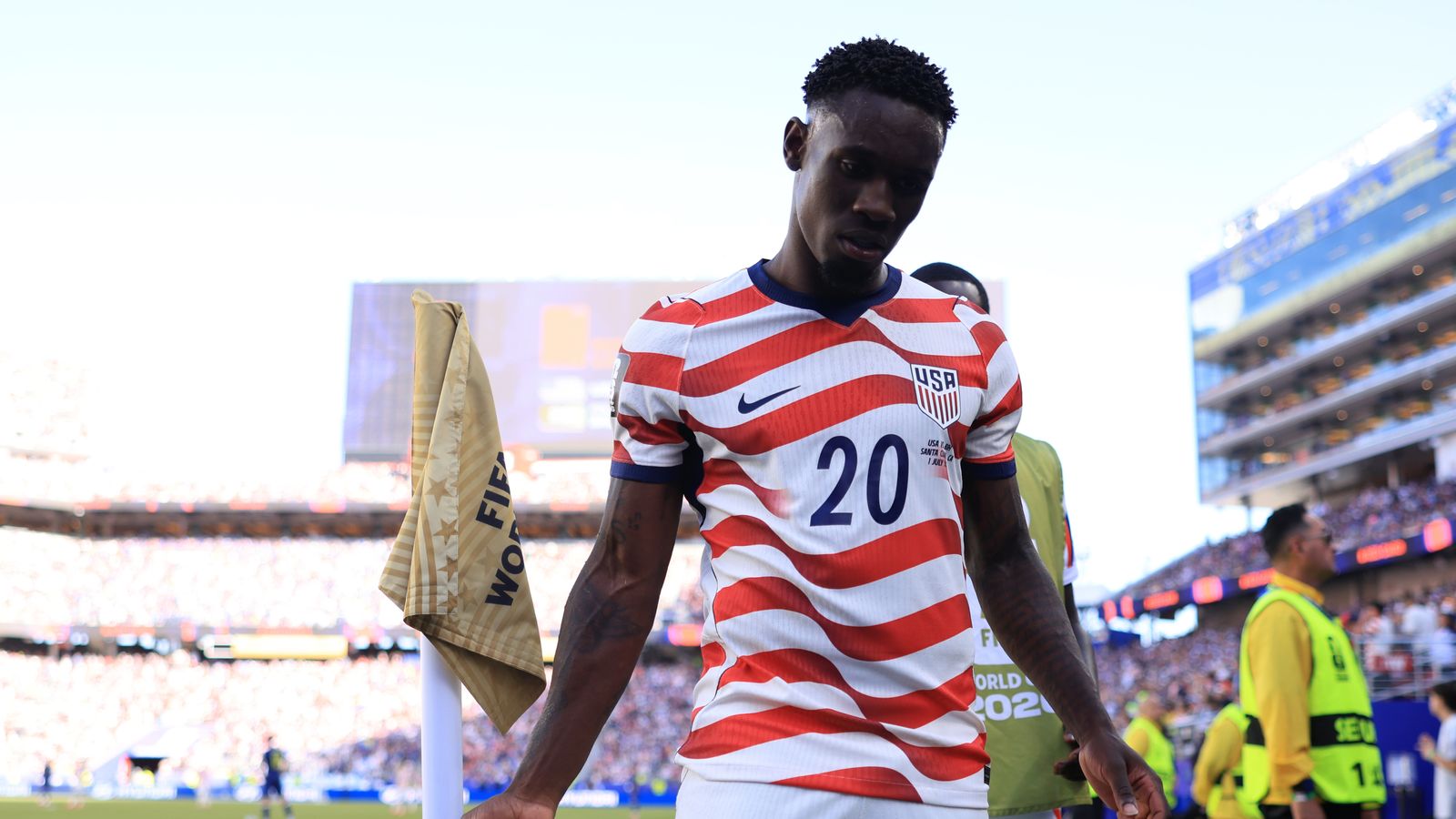
When Folarin Balogun starts against Belgium on Tuesday, the United States will benefit from a statistical anomaly never seen in the World Cup's ninety-six-year history. His presence represents a forty-two percent shift in the USMNT's expected goal output. This advantage was not earned on the pitch, but negotiated via a direct phone call from Donald Trump to Gianni Infantino.
The numbers behind this decision paint a stark picture of sporting imbalance. FIFA's U-turn has created two parallel tracks of justice at this World Cup. While the United States regains their star striker via a phone call, England must navigate traditional bureaucratic channels for Jarell Quansah.
Balogun is the fulcrum of Mauricio Pochettino's high-pressing system, anchoring their defensive block. This political override is a massive sporting advantage that alters the tactical equation of the knockout rounds. The numbers show exactly how the playing field has been tilted.
The Balogun Effect: Pressing Triggers and Expected Goals
With Balogun leading the line in this tournament, the USMNT averages a Passes Per Defensive Action (PPDA) rate of 8.8 in the opposition half. This aggressive press is designed to force high turnovers. Without him, their PPDA rate balloons to 13.4, indicating a far more passive defensive stance.
This drop in pressing intensity directly hampers their offensive output. Balogun contributes a team-high 0.58 non-penalty xG and 4.3 shot-creating actions per ninety minutes. Without him, the USMNT's total shot volume drops by thirty-five percent.
Balogun averages 6.2 high-speed sprints per ninety minutes, forcing opposing center-backs to drop deep. This movement opens up the half-spaces for Malik Tillman to operate between the lines. Without him, opponents can squeeze the pitch and press the midfield directly.
The Defensive Anomaly: Why the Press Matters
A surprising finding emerges when analyzing the USMNT's defensive structure with and without Balogun. While media attention focuses on his goal-scoring threat, his primary value is actually defensive disruption. When Balogun is on the pitch, the opponent's build-up completion rate in their own half drops from eighty-four percent to seventy-one percent.
This thirteen-percent drop disrupts the opponent's ability to transition into the final third. Without Balogun's pressing triggers, the USMNT allows opponents to advance the ball forty percent more frequently. This forces the American midfield into a low block, where they have conceded 1.62 xG per ninety compared to just 0.84 with Balogun playing.
Belgium will now face a team that can defend thirty yards higher up the pitch. This shift completely alters how Domenico Tedesco's side must build out from the back. Instead of finding easy passing lanes into midfield, Belgium's center-backs will face immediate pressure on their first touch.
The Statistical Cost of the Alternative
Without Balogun, Pochettino must choose between Haji Wright and Brandon Vazquez. Wright offers only 3.8 sprints per ninety, which slows transitions. Vazquez is a static target man who averages just 9.2 defensive pressures per ninety, compared to Balogun's 18.6.
This drop-off would have played directly into Belgium's hands. Belgium's defense excels when compressing space, allowing just 7.2 passes before making a defensive intervention. With Balogun stretching the pitch, they cannot squeeze the lines without risking runs in behind.
The decision to overturn the ban has left Belgium furious. Belgium's legal threats reflect the frustration of a team that had prepared for a specific tactical matchup. Now, they must adjust their defensive lines for a forward they had every right to assume would be watching from the stands.
The Double Standard: Quansah and the English Reality
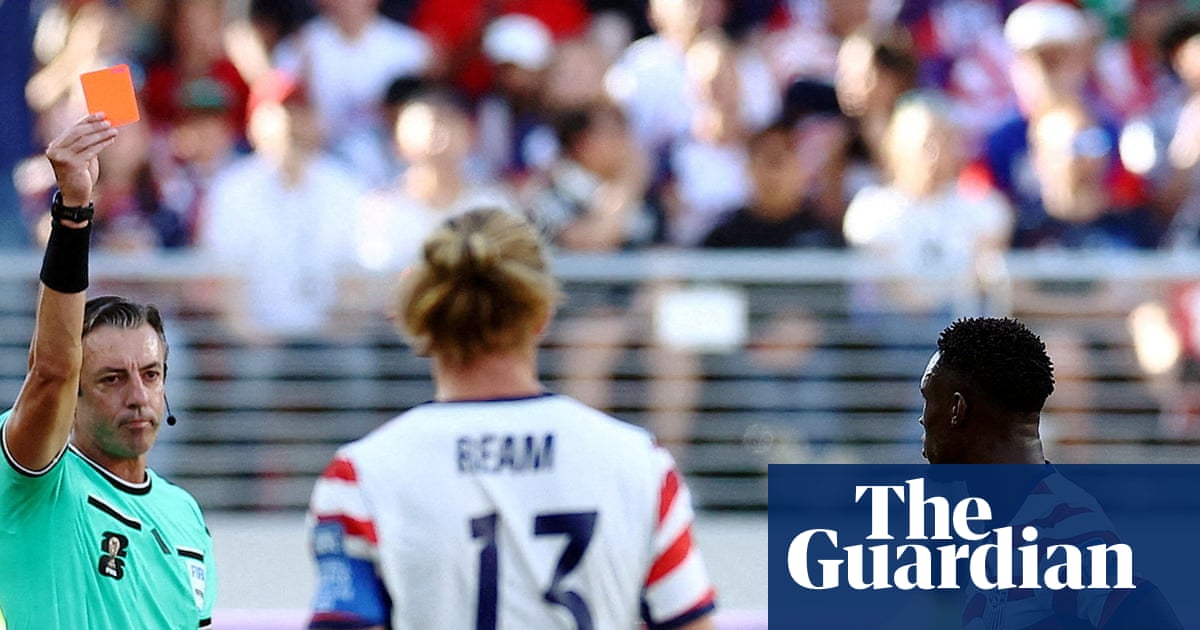
Contrast the USMNT's political rescue with the reality facing England. Jarell Quansah was dismissed in the 54th minute of Sunday's match against Mexico for a high challenge on Jesus Gallardo. That red card transformed a controlled game into a defensive crisis.
Before the dismissal, England controlled sixty-two percent of the possession and allowed only three shots. In the thirty-six minutes after the card, Mexico racked up eleven shots and generated 1.45 expected goals. That pressure turned a comfortable match into a chaotic 3-2 finish.
England is left with a massive tactical void. While the FA is considering an appeal through normal channels, no executive calls will bypass the rules. Keir Starmer's colleagues may joke about texting FIFA, but the Three Lions must adapt without their starting defender.
How Quansah's Absence Reshapes England
Quansah's suspension breaks England's build-up play. He averages 72.4 passes per ninety minutes with a ninety-one percent completion rate. He also leads England's defenders with 5.8 progressive passes per ninety, which helps bypass opponent presses.
Without him, England must rely on a less progressive center-back pairing. This will force Declan Rice to drop deeper during build-up, removing him from his advanced midfield role where he stops counters. The statistical ripple effect of Quansah's red card impacts England's entire midfield structure.
Comparing Quansah to his potential replacements highlights the drop-off in ball progression. Marc Guéhi averages just 3.2 progressive passes per ninety, representing a forty-five percent reduction in verticality. This drop forces England to rely on long, horizontal possession phases that allow opponents to reset their defensive shape.
Yet, England has no choice but to accept the sporting consequences of the red card. This is how the World Cup is supposed to work: a player makes a mistake, receives a punishment, and the team must adapt. The sudden intervention in Balogun's case makes a mockery of this sporting reality, establishing a system where tactical disadvantages can be negotiated away by politicians.
The Erosion of Sporting Rules
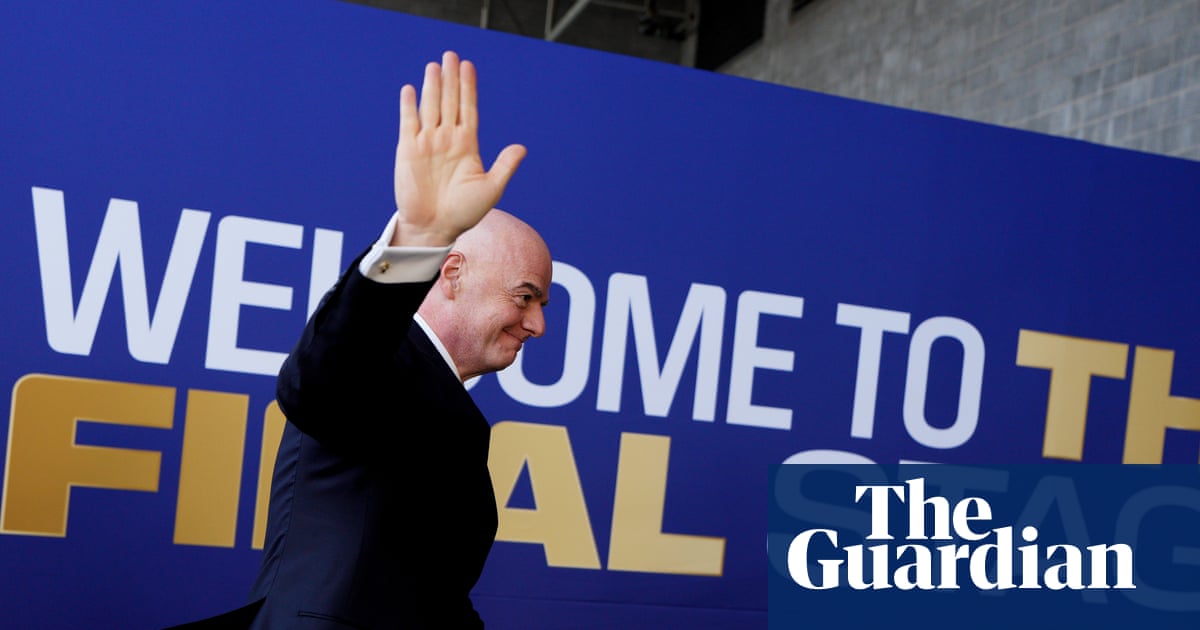
The details of Balogun's rescinded card have exposed FIFA's vulnerability. Donald Trump admitted he ordered the review, a call later confirmed by Gianni Infantino. This intervention has drawn furious criticism from neutral observers.
Norway coach Ståle Solbakken was particularly blunt, labeling the decision as "Really bad." Neutral fans agree that FIFA has abandoned its own rulebook to appease the host nation. The sporting integrity of the tournament has taken a direct hit.
"If Infantino had any sense of shame, he would resign," lifelong England fan Ray Harada, 67, said. "If FIFA’s own rules can be bent after one phone call from Donald Trump, then what is the point of having rules at all?"
During the group stages of this tournament, four red cards were issued to different players. All four resulted in automatic one-match suspensions, with appeals taking an average of 4.8 days to resolve. Balogun's suspension was lifted in less than twelve hours after a single phone call.
If political intervention can alter tactical availability, analytical models become secondary to backroom influence. The tournament relies on the assumption that the rules apply equally to all thirty-two teams. Once that is gone, tactical battles are no longer decided by sporting merit.
As the United States prepares to face Belgium, the tactical analysis will focus on how Balogun's return affects the match. But the larger story will remain the phone call that made his return possible. The USMNT may gain a temporary tactical advantage, but the World Cup has lost something far more valuable.
Read Next
- Trump calls and FIFA loopholes overshadow USA vs Belgium World Cup clash
- USA and Belgium face a high-stakes tactical chess match in Seattle
- Why FIFA is on the verge of a civil war over Folarin Balogun
- FIFA just broke their own rules for the USMNT and Belgium is furious
- 🏆 World Cup 2026 — Full Coverage Hub