The Possession Paradox on the Seattle Pitch
A record-breaking average of 24.429 million viewers tuned in to Fox to watch the United States defeat Bosnia and Herzegovina in the round of 32. This figure, which peaked at 31.883 million, represents the most-watched English-language soccer broadcast in American television history. Yet as the national team prepares for Belgium in Seattle, these numbers mask a deep tactical imbalance.
Mauricio Pochettino’s side has captured the public imagination, but they now face a disciplined Belgian team that excels at denying space. The hype surrounding the co-hosts is immense, fueled by television markets and home crowds. But on the pitch, the margin for error is razor-thin.
This round-of-16 clash is a tactical mirror image of their famous 2014 meeting in Salvador. On that night, Belgium progressed after a grueling extra-time battle where Romelu Lukaku ran rampant. The USA only survived as long as they did because Tim Howard made 15 saves in a historic defensive performance.
Comparing the Midfield Control Metrics
To understand the tactical challenge, one must look at the possession metrics. Through four matches, Belgium has maintained an average of 57% possession with a 65% field tilt. This tilt metric, which measures final-third touches, suggests that Rudi Garcia's team spends most of their time camped in the opponent's territory.
However, this possession dominance is deceptive. Belgium has struggled to translate their final-third dominance into clear-cut scoring opportunities. Their group stage performances were sluggish, relying on a late penalty to escape a disciplined Senegal side.
Interestingly, the United States has averaged 58% possession in their four games. This means Pochettino's team actually keeps the ball more than the Belgians do. If the Americans can control the tempo in Seattle, they can prevent Belgium from establishing their preferred rhythm.
The cultural momentum is visible in the stands as well as on the television screens. The new wavy flag themed home jerseys have become the most popular shirt in US Soccer history. Adidas has even re-released the infamous 1994 denim kits, selling thousands of units to fans eager for nostalgia.
But control requires midfield discipline, which the US lacked in their previous outing. The red card issued to Folarin Balogun against Bosnia forced the team to defend deep. Playing down a man for 30 minutes disrupted their pressing structure and exposed their backline.
Despite the numerical disadvantage, the US managed to secure victory. Malik Tillman scored a spectacular direct free-kick just 15 minutes after swapping a ripped right boot. He became only the second player in US history to score a direct free-kick at a World Cup, joining Eric Wynalda.
The Balogun Reversal and the Political Fallout
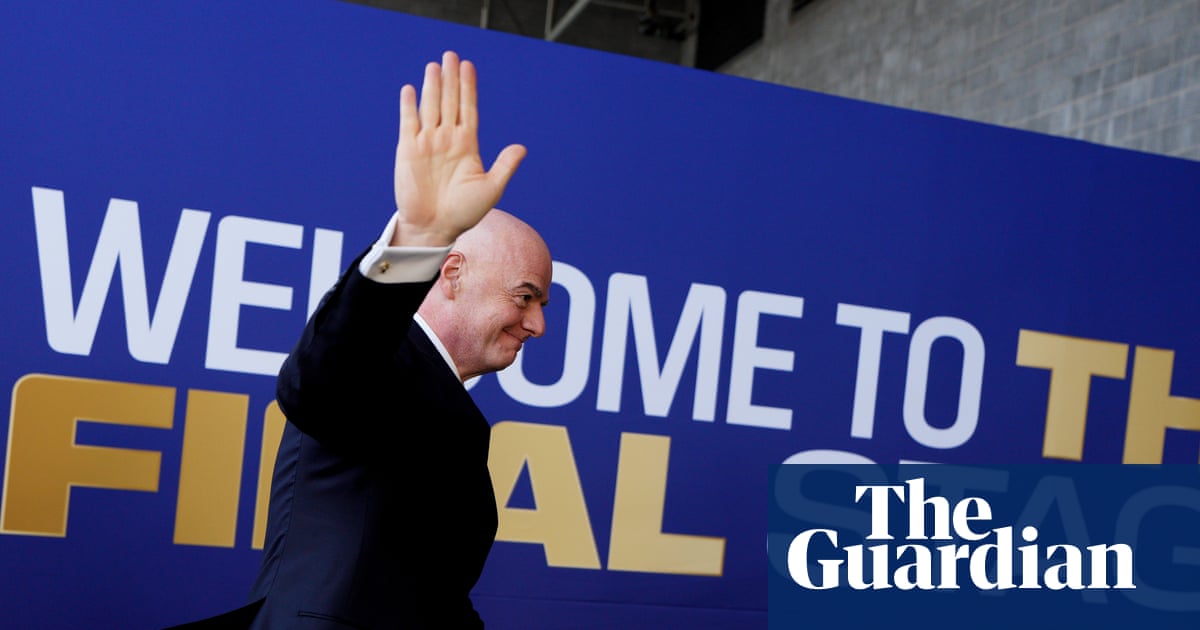
The victory was overshadowed by the subsequent political circus. On Sunday, July 5, FIFA announced it had suspended Balogun's one-match ban under Article 27 of the Disciplinary Code. As The Guardian reported, the decision was met with immediate anger from European football authorities.
UEFA president Aleksander Ceferin accused FIFA of crossing a red line. He called the decision to lift the suspension incomprehensible and unjustifiable. The Belgian football federation released a statement condemning the move as a threat to the sport's integrity.
UEFA's frustration is also rooted in the perceived double standard applied by the governing body. European officials note that smaller nations rarely receive such favorable treatment when appealing suspensions. This decision creates a dangerous precedent where host nations can use political connections to alter tournament rules.
UEFA and the Host Nation Backlash
Rudi Garcia did not hide his disgust during his pre-match press conference in Seattle. He noted that he did not realize July 5 was equal to April Fools' Day at FIFA headquarters. The Belgian manager suggested the decision was a complete mockery of fair play.
The political maneuvering has cast a shadow over Pochettino's preparation. US Soccer lawyers reportedly worked through the night to secure the suspension reversal. While Pochettino welcomed the return of his star striker, the process has drawn criticism.
The decision looks particularly corrupt when examining the financial context. Balogun, who earns $70,856 per week with Monaco, was fined $40,000 by FIFA as part of the ruling. This fine represents a minor fee for an elite player but serves as a convenient distraction.
This special treatment has alienated neutral fans and created a hostile atmosphere. Critics suggest that FIFA has favored the co-hosts to protect television revenues in the lucrative American market. The perception of bias will put immense pressure on the match officials in Seattle.
Historical Ghosts and the Seattle Pressure Cooker
The crowd at the stadium will exceed 80,000 supporters. According to live coverage from The Guardian, the local fans are planning a hostile reception for the Belgian squad. Left-back Maxim De Cuyper insisted his team does not fear the noise.
"We just have to show balls on the pitch," De Cuyper said. "If you play against 80,000 supporters or with 80,000, you have to try to do the same." The Belgian defender believes his team can silence the crowd by scoring an early goal.
Dealing with the Seattle Cauldron
To achieve this, Belgium must exploit the spaces behind the American fullbacks. Senegal showed the template by using width to stretch the Belgian defense. The African champions created constant overloads by sending their fullbacks forward to support the wingers.
Belgium's coach Garcia must also find a way to revitalize an attack that has looked completely toothless. The Red Devils have failed to score more than a single goal in any of their group stage matches. Their reliance on aging playmakers has made them predictable and easy to defend.
Pochettino will likely instruct Antonee Robinson to be more conservative. The Fulham left-back has been a key attacking outlet but cannot afford to leave space behind him. If Robinson pushes too high, Belgium's wingers will exploit the space on the counter-attack.
Tactical Adjustments in the Wide Areas
The midfield battle will be decided by physical endurance. Belgium's aging stars have struggled to match the high-intensity running of younger opponents. During their group matches, Senegal matched them physically and won the midfield duels.
If the US can replicate that physical intensity, they will progress. The co-hosts have the youth and running power to overrun Garcia's midfield. But they must avoid the emotional lapses that led to Balogun's red card.
Ultimately, the statistics point to a match decided by fine margins. The USA has the home advantage and the possession stats to match their opponents. However, their defensive vulnerability and the Balogun distraction could prove costly.
As The Guardian's match build-up noted, both teams are desperate to escape their recent history of round-of-16 exits. The winner will earn a place in the quarter-finals, while the loser will face a long period of national self-reflection.
Read Next
- Spain face a tactical puzzle in Los Angeles after Dallas drama
- Donald Trump just called Gianni Infantino to rewrite the FIFA rulebook
- FIFA just broke their own rules for the USMNT and Belgium is furious
- Why Folarin Balogun's political reprieve changes everything for the USMNT
- 🏆 World Cup 2026 — Full Coverage Hub
- 🇧🇪 Belgium World Cup 2026 — Red Devils Hub