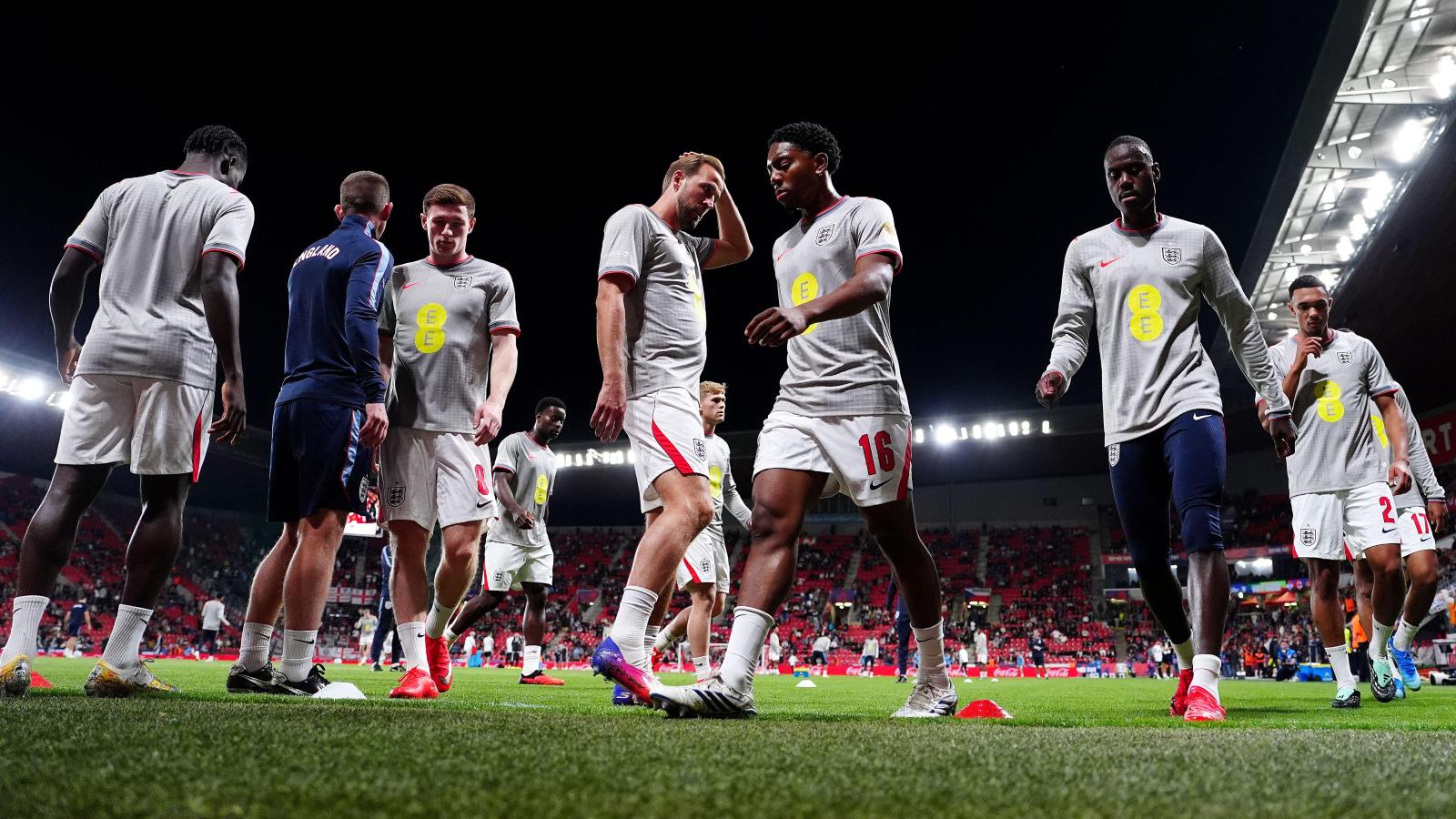
A drop to a 62 percent pass completion rate during the final twenty minutes of a knockout match is usually the signature of a team in terminal decline, but for England at the Estadio Azteca, it was the price of survival. Thomas Tuchel's side barely scraped a 3-2 victory over Mexico to reach the quarter-finals, but the tactical scars from this high-altitude ordeal will linger long into the summer. Under the suffocating pressure of Mexico City, a match that began as a showcase of English attacking talent dissolved into a desperate, back-to-the-wall survival act.
Playing at 2,240 meters above sea level severely limits a team's physical capacity to maintain a high-pressing defensive block over ninety minutes. The physical tax of the altitude was magnified when right-back Jarell Quansah was shown a straight red card in the 54th minute of the match. For the remaining thirty-six minutes, England were forced to defend their penalty box in a narrow defensive shape that invited relentless Mexican pressure.
This was a self-inflicted crisis born of Tuchel's defensive conservatism and a failure to prepare for the specific physical demands of the Azteca. The tactics simply failed. England's midfield double pivot looked entirely disconnected, leaving the back four exposed to rapid transition attacks that cut through the center of the pitch.
Tactical Collapses Under the Thin Air of the Azteca
The Illusion of England's First-Half Control
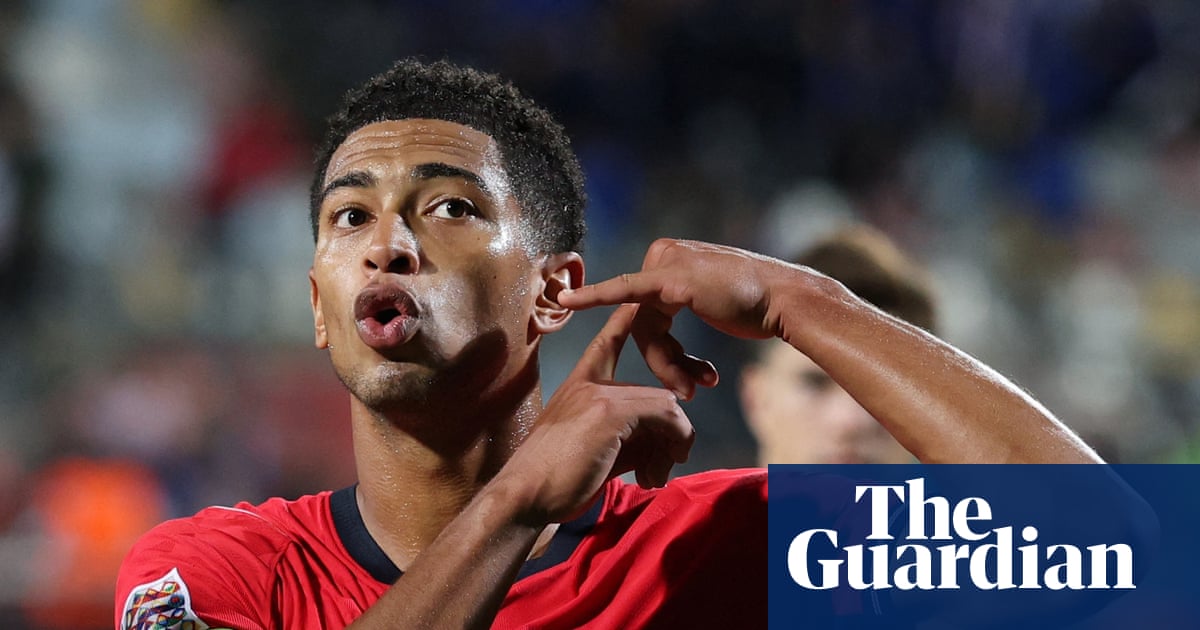
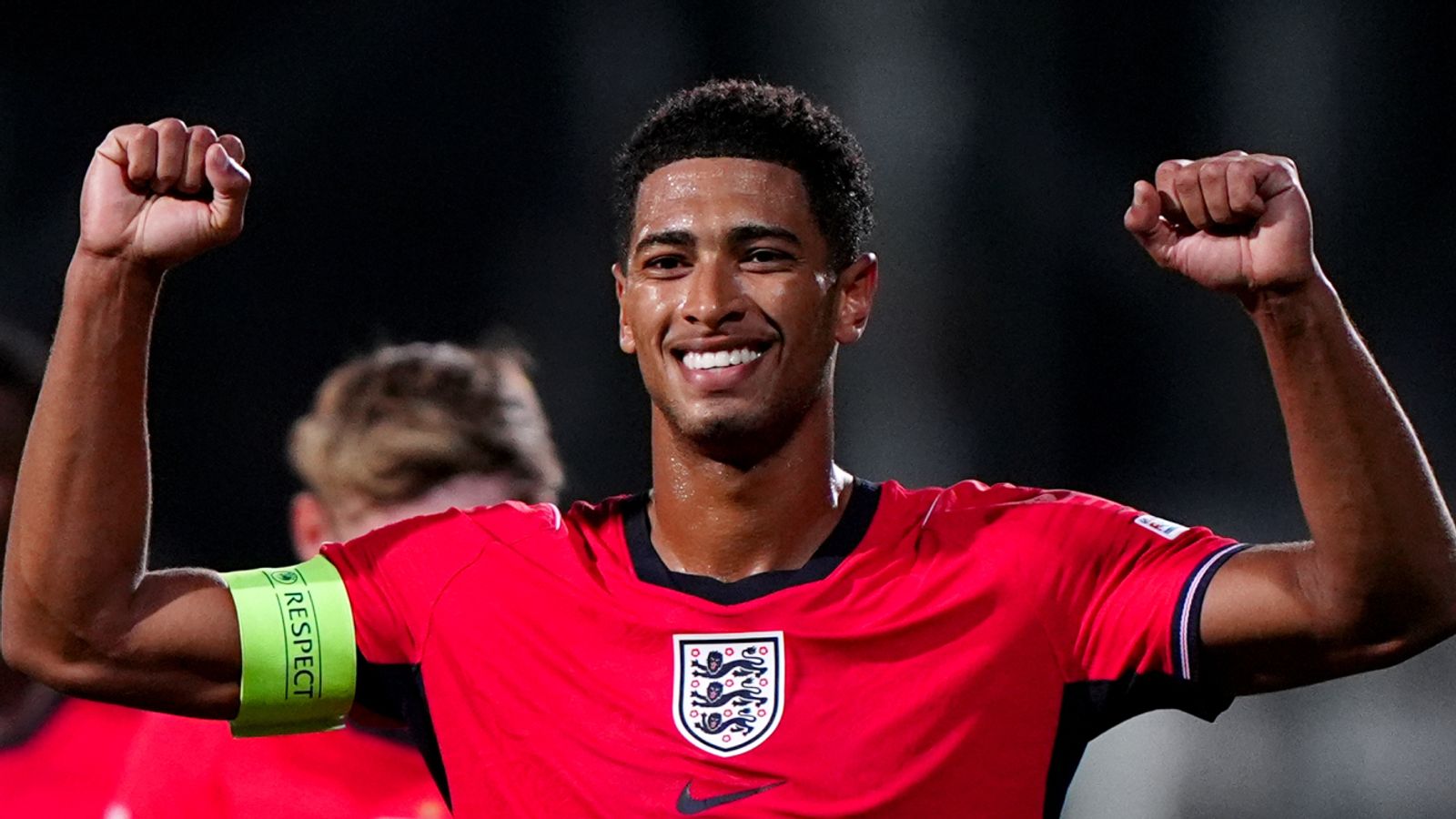
Before the altitude took its toll, Jude Bellingham's vertical runs caught Mexico's mid-block completely off guard. Operating in an advanced role behind Harry Kane, Bellingham scored twice in the 36th and 38th minutes to give England a temporary cushion. Yet, even with a two-goal lead, England's passing networks showed a dangerous lack of central progression.
According to the Sky Sports live coverage of the match, England struggled to sustain possession once the home side raised their pressing intensity. Mexico responded in the 42nd minute through Julián Quiñones, exposing the sluggish lateral coverage of England's makeshift fullbacks. The goal before the interval shifted the momentum, turning the second half into a physical battle.
After Quansah's dismissal, Mexico finished the match with an expected goals (xG) rating of 1.84 compared to England's 1.45. This statistical disparity tells the true story of the second half, where Jordan Pickford had to make several desperate saves to protect the lead. A team with genuine championship ambitions cannot rely on its goalkeeper to bail out a fractured defensive structure.
The spatial distribution of Mexico's attacks exposed England's lack of horizontal coverage. Ezri Konsa and Marc Guéhi were forced to make continuous recovery sprints into the channels because the wingbacks failed to track back in the thin air. This structural disconnect is reflected in the passing maps, which show England entirely unable to establish possession triangles in the middle third during the second half.
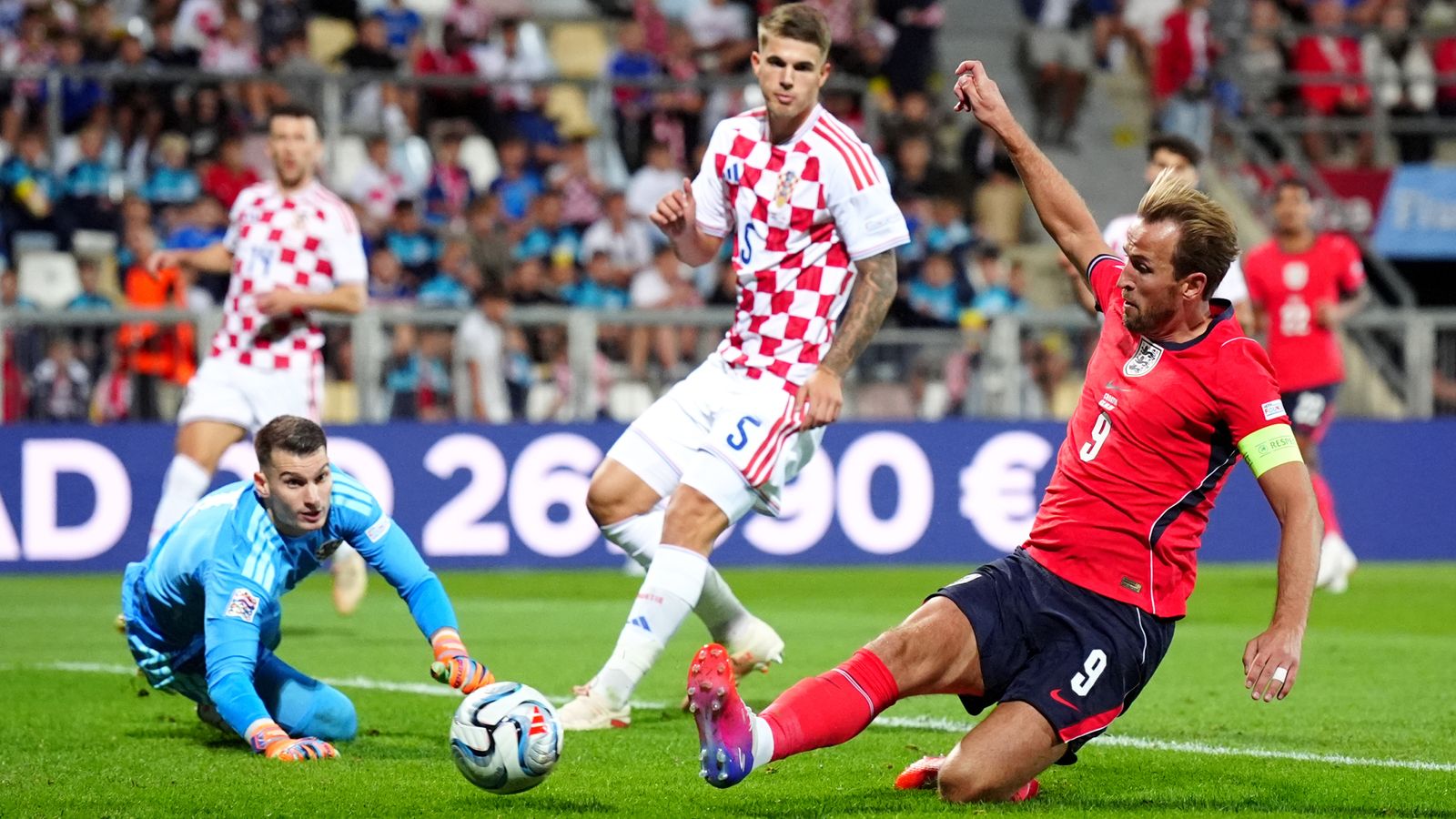
England's attacking threat vanished almost entirely in the second half, producing just two shots after the interval. Saka was sacrificed for Stones. The move protected the lead but left Harry Kane completely isolated upfront as the midfield failed to progress the ball.
The Disciplinary Double Standard in Zurich
The Disciplinary Disparity on the Pitch
To understand the anger surrounding the tournament's disciplinary decisions, we must examine the specific mechanics of the red cards. Quansah's challenge in the 54th minute was a studs-up tackle above Jesús Gallardo's ankle. While the referee initially waved play on, the video assistant referee correctly intervened to upgrade the decision to a straight red card.
In contrast, Folarin Balogun's red card against Bosnia and Herzegovina followed an almost identical sequence in the 64th minute. The striker lost his footing and caught defender Tarik Muharemovic on the ankle. The referee showed a straight red card, which under FIFA regulations carries an automatic one-match ban.
Balogun's Red Card and the Geopolitical Crisis
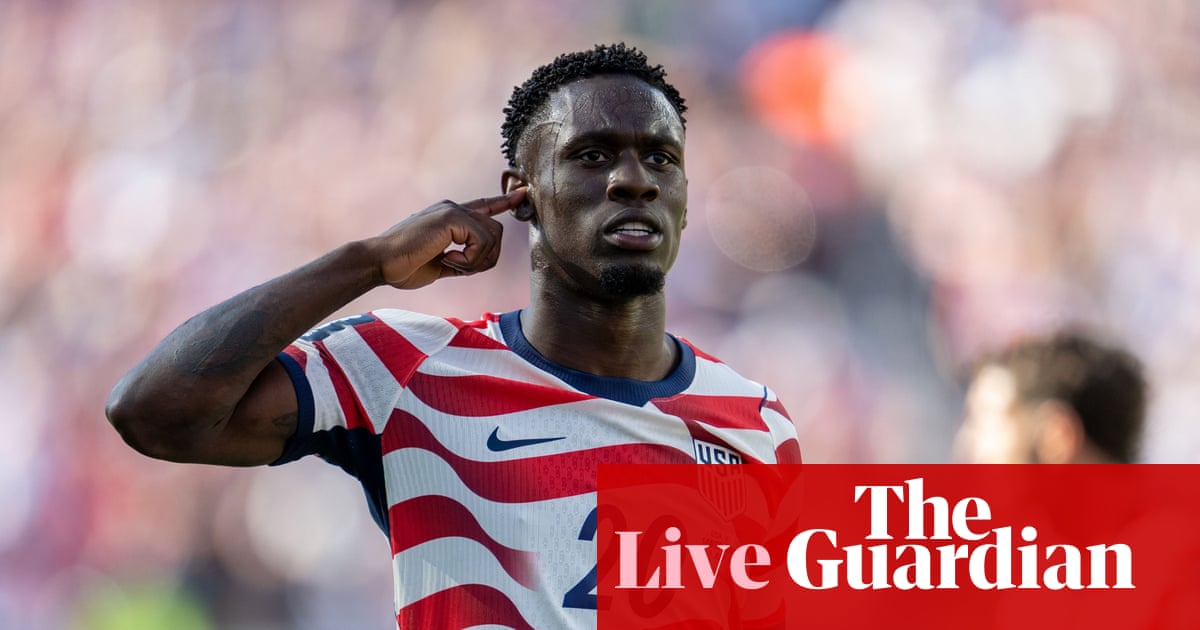
While England were sweating in Mexico City, the United States were navigating their own disciplinary crisis. During their Round of 32 victory, striker Folarin Balogun scored the opening goal in the 45th minute before his dismissal. The Americans were forced to play for 26 minutes with ten men to secure their 2-0 win.
Statistically, the U.S. defensive block held up remarkably well under Mauricio Pochettino, allowing Bosnia only three low-value shots. Yet, the real story is how this red card sparked a geopolitical standoff that has left international football in revolt. The decision to lift the ban has set a dangerous precedent, drawing strong criticism from European federations.
Standard tournament regulations mandate an automatic suspension for serious foul play. But in an unprecedented U-turn, FIFA decided to suspend Balogun's ban for a probationary year, allowing him to play against Belgium. As the Guardian reported in its live coverage, UEFA has accused FIFA of crossing a red line over this political meddling.
The Backroom Lobbying and the Civil War
White House officials, including President Donald Trump, contacted Gianni Infantino directly to lobby for Balogun's red card suspension to be overturned. Secret talks were also held by Trump ally Howard Lutnick, who sat with the FIFA president during the previous match. This direct political intervention has turned the rulebook into a negotiable document.
European football executives are furious that the host nation is playing by a different set of rules. As reported by the Daily Mail, Belgium's football association is investigating all legal options to appeal the decision before their last-16 match in Seattle. The double standard is glaring when contrasted with Quansah, who received no such leniency for his dismissal.
This controversy arrives at a moment of peak tension between the European governing body and Zurich over the expansion of the club and international calendars. For years, UEFA has fought to protect its Champions League revenue from FIFA's encroaching Club World Cup designs. The Balogun decision provides European executives with the ammunition they need to argue that FIFA is unfit to run global competitions.
FIFA's disciplinary department has compromised the sporting integrity of the tournament to protect commercial interests. Politics overrode the rulebook. But the compromise has left a bitter taste in the mouth of every fan who believes in fair play.
The Tactical Road Ahead in the Quarter-Finals
The physical tax of England's survival act will be felt in their quarter-final match against Norway on July 11 in Miami. Erling Haaland is currently leading the Golden Boot race with seven goals in four matches. Norway will enter the game brimming with confidence after Erling Haaland's double dumped five-time champions Brazil out of the tournament in New Jersey.
Tuchel's squad is severely depleted by injuries and suspensions. The treatment room is full. Without Quansah, England's makeshift defense must find a way to contain Haaland without dropping into a low block.
If England repeat the passivity of their Azteca performance, Norway's physical transition play will punish them. The tactical notebook shows a clear pattern: when England are pressed, their passing networks collapse. Survival was achieved in Mexico City, but the road to the final is burning.