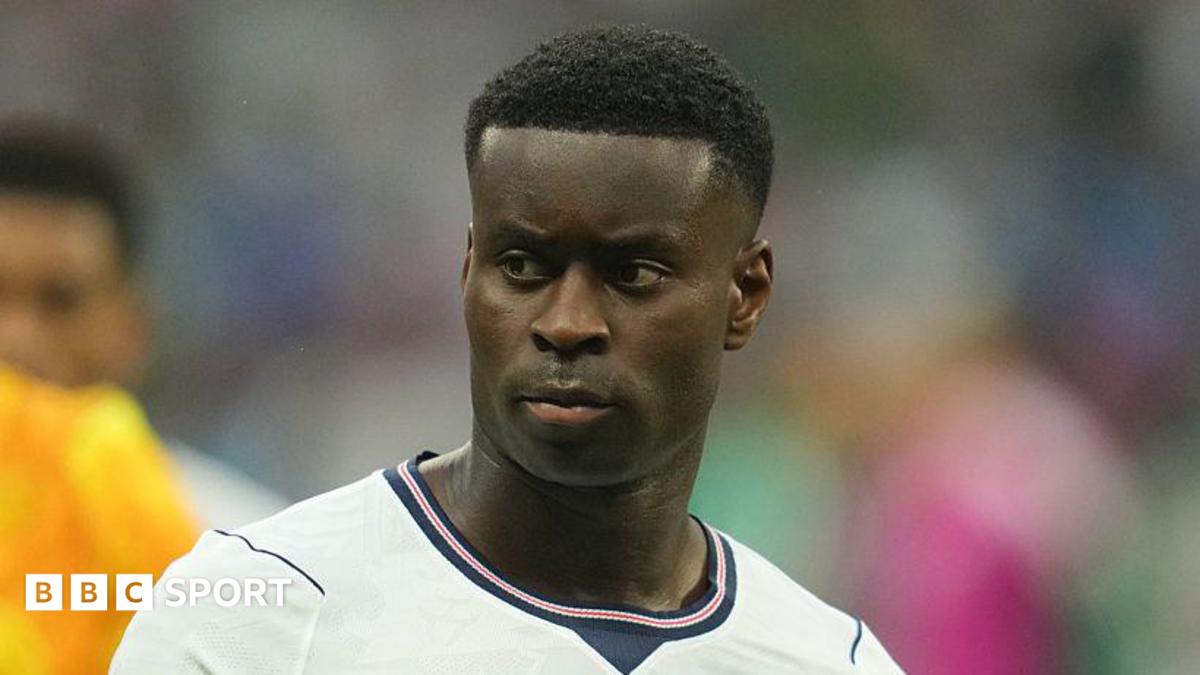
Defensive depth tested before knockout clash
England enter their World Cup quarter-final against Norway on Saturday facing significant uncertainty regarding the composition of their backline. Marc Guehi is currently sidelined with a hamstring issue, raising questions about his availability for the last eight clash. The defender has been a consistent feature throughout the tournament, and his potential absence creates a tactical headache for the coaching staff.
Reports indicate the injury is being managed as a short-term issue, yet the timing is poor for a knockout fixture. Hamstring injuries are notoriously fickle during tournament football, often flaring up under the physical load of high-intensity matches. If Guehi fails to pass a late fitness test, the drop-off in defensive stability could be immediate.
Reece James adds to the headache
The situation in the defensive unit is compounded by the status of Reece James. The right-back is also dealing with a hamstring concern, leaving the squad thin at both center-half and on the flank. While squad rotations are common, having two primary starters simultaneously hampered by soft tissue injuries is a worst-case scenario for any international manager.
Strategic implications for the quarter-final
When key defenders are compromised, the entire team structure tilts defensively. If England cannot rely on the natural width and defensive awareness provided by James, they may be forced into a more conservative setup. This shift potentially hampers their ability to transition quickly against a Norway side that thrives on exploiting pockets of space.
As recent reports confirm, the medical team is working around the clock to assess the severity of these respective strains. The risk of re-injury is high if either player is forced back too early. Managers often face the pressure of starting a recognizable name in large-stakes games, but modern sports science usually dictates a more cautious approach to avoid mid-match substitutions.
Historical context and risks
Tournament success has historically been built on defensive consistency. Teams reaching the latter stages of major competitions rarely tinker with their back four unless forced by suspension or injury. Losing pivotal pieces like Guehi or James forces a change in chemistry that can be difficult to replicate with fringe squad members who lack current match rhythm.
One critical observation regarding the current approach is the lack of clarity on recovery timelines. Unlike a break or a clear tear, minor hamstring management often leads to repeated failures mid-game. If the medical staff miscalculates the intensity threshold, they risk a scenario where a tactical substitution is forced before the 15th minute, wasting a valuable window for adjustments.
The fitness issues outlined in the Mirror's assessment underscore the difficulty of managing a squad through a compressed World Cup schedule. Competition intensity increases every round, leaving very little room for physical recovery. If players are carrying niggles into the quarter-finals, the likelihood of lasting the full 120 minutes—should the game go to extra time—is significantly reduced.
What happens next?
The coaching staff must weigh the value of an experienced starter against the fitness risk. If Guehi and James cannot prove they are fully fit by Friday, it is highly probable England will look to alternatives in training. This forces the team to train with a backup defensive structure, which is arguably the most disrupted way to prepare for a quarter-final.
Ultimately, England's path to the semi-finals depends on whether these defensive concerns are mitigated by the remaining rotation options. While depth is a positive, finding someone who can replicate the tactical profile of the missing starters is near impossible on two days' notice. Decisions made by the medical and coaching staff within the next 48 hours will likely determine the team's ceiling in this tournament.
Read Next
- England versus Norway hinges on more than just the Miami forecast
- England vs Norway in Miami: Hurricanes, humidity, and fan misery
- Anthony Gordon is the tactical wildcard England needs for the final stretch
- Bukayo Saka is the key to England unlocking Norway's low block
- 🏴 England World Cup 2026 — Three Lions Hub
- 🇳🇴 Norway World Cup 2026 — Can Haaland Lead the Vikings?