Tactical positioning on the right flank
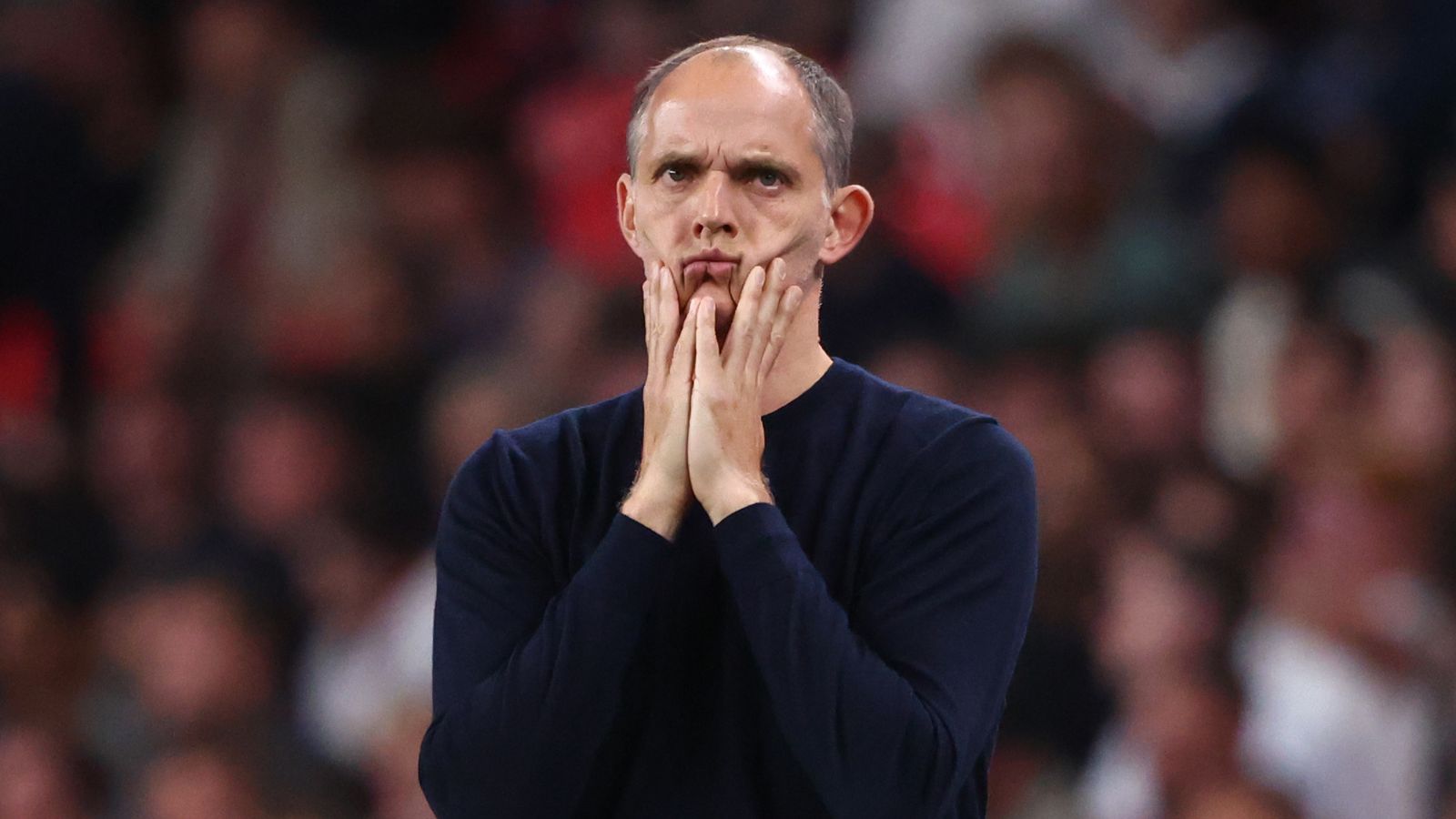
Thomas Tuchel has opted for a rigid 3-4-2-1 formation throughout this summer cycle, but the fluidity of the right-wing-back role remains a point of contention. Bukayo Saka, who has spent the last month nursing minor muscular fatigue, declared himself fit for the quarterfinal against Norway in this morning’s presser, as reported by Sky Sports. His return to the starting XI is not merely about personnel; it is about the geometry of the final third.
Norway manager Ståle Solbakken has coached a disciplined 4-4-2 that forces opponents into wide lanes. Against weaker European sides, England’s wing-backs often pushed too high, leaving gaps behind for counter-attacks. Saka’s ability to tuck inside, functioning as an inverted winger, allows the right-sided center-back to overlap without compromising structural shape.
The Norway defensive pivot
Erling Haaland dominates the conversation, but Norway’s success in this tournament rests on their recovery runs. They have limited opponents to an average of 0.65 xG per match during the group stage. They concede space in the half-spaces, banking on their defensive midfielders to screen the edge of the box.
This is where the Arsenal connection between Saka and his domestic teammates becomes useful. Saka’s preference to cut onto his left foot forces the Norwegian left-back to declare their defensive stance early. If the defender stays narrow, Saka beats them on the outside. If the defender protects the line, the cut-back lane to the penalty spot opens for Jude Bellingham.
Areas of concern for Tuchel
The flaw in Tuchel’s current setup is the vulnerability in transition during the 65th minute to 80th minute window. With England pressing high to kill the contest, the central midfield pairing leaves the back three exposed to long balls over the top. Norway’s transitional speed is their primary weapon, and the English defense has yet to address the lack of pace in the covering channel behind the wing-backs.
If Norway identifies this lag, they will bypass the midfield entirely. Saka’s effort in tracking back will be just as meaningful as his output in the final third. We have seen England crumble when the intensity drops late in the second half, a recurring theme that has prevented them from putting matches to bed early.
Predicting the quarterfinal outcome
Norway will likely hold for the first hour, keeping the score level through sheer persistence and physical presence. However, England’s technical rotation in the final third is superior to anything Norway has faced thus far. I expect Saka to force a breakthrough by exploiting the fatigue of Norway’s left-back by the 72nd minute.
England will edge this 2-1. It won't be pretty, and it will likely get uncomfortable once Norway starts launching vertical balls toward Haaland, but England’s depth in attacking positions provides the necessary margin. Saka is the difference-maker here, provided his recovery holds up under the weight of a high-stakes knockout atmosphere.
Read Next
- Thomas Tuchel must solve the Erling Haaland problem to reach the World Cup final
- Erling Haaland is already playing 4D chess with England
- England's World Cup run has already dissolved into pure beautiful chaos
- England versus Norway hinges on more than just the Miami forecast
- 🏴 England World Cup 2026 — Three Lions Hub
- 🇳🇴 Norway World Cup 2026 — Can Haaland Lead the Vikings?