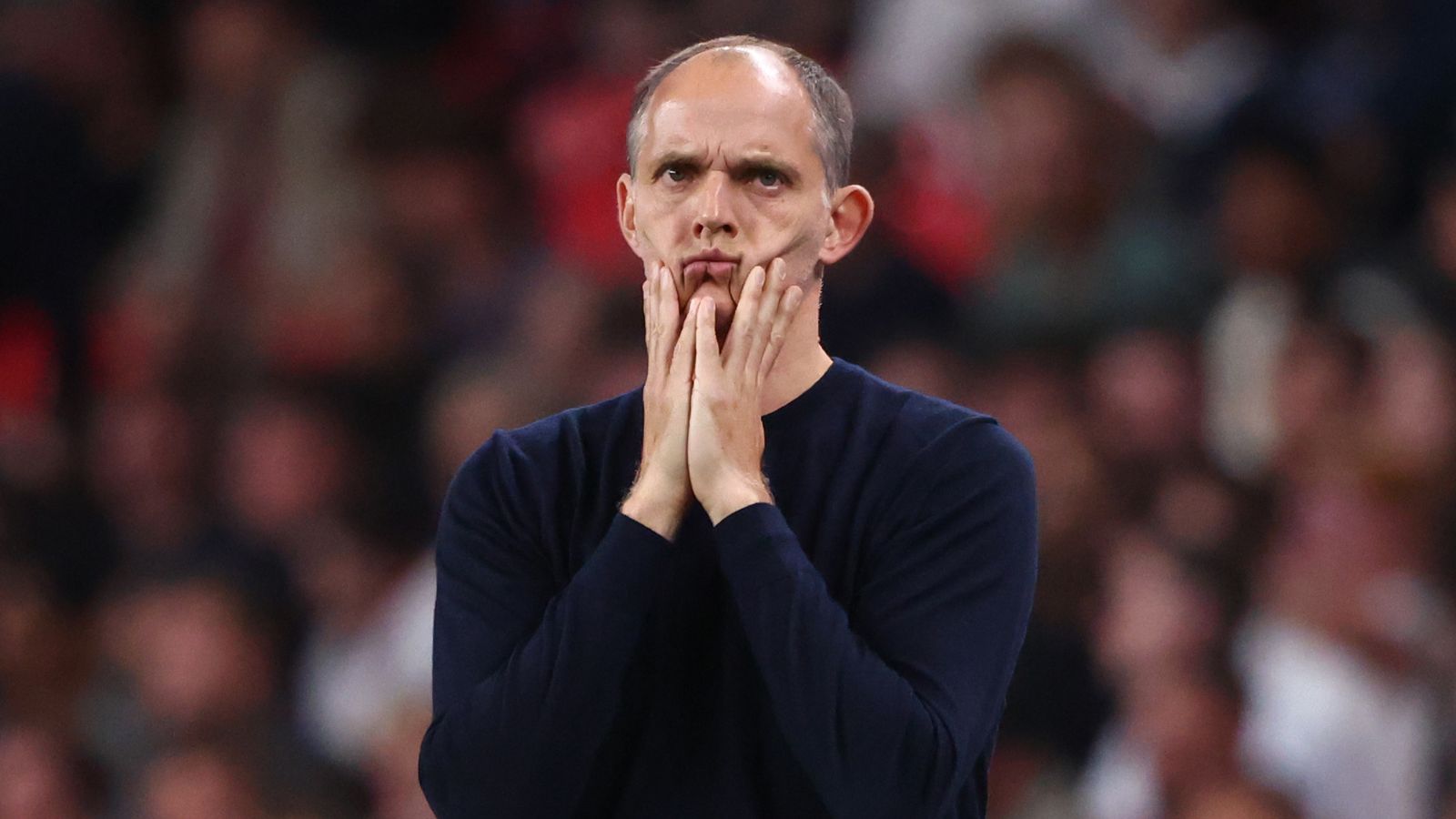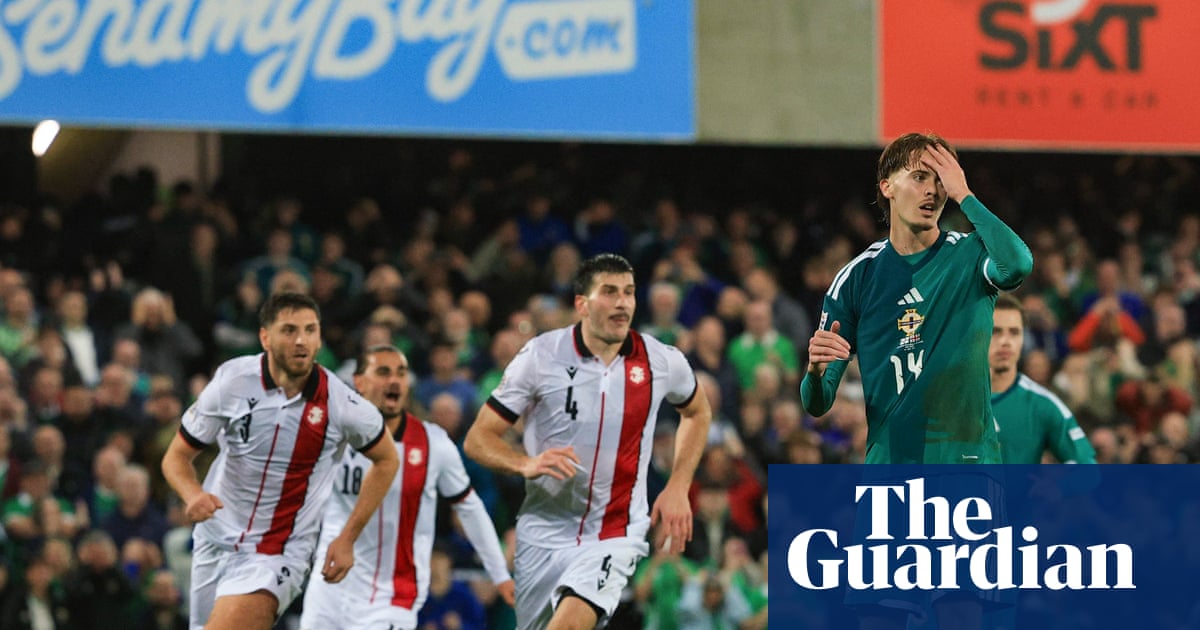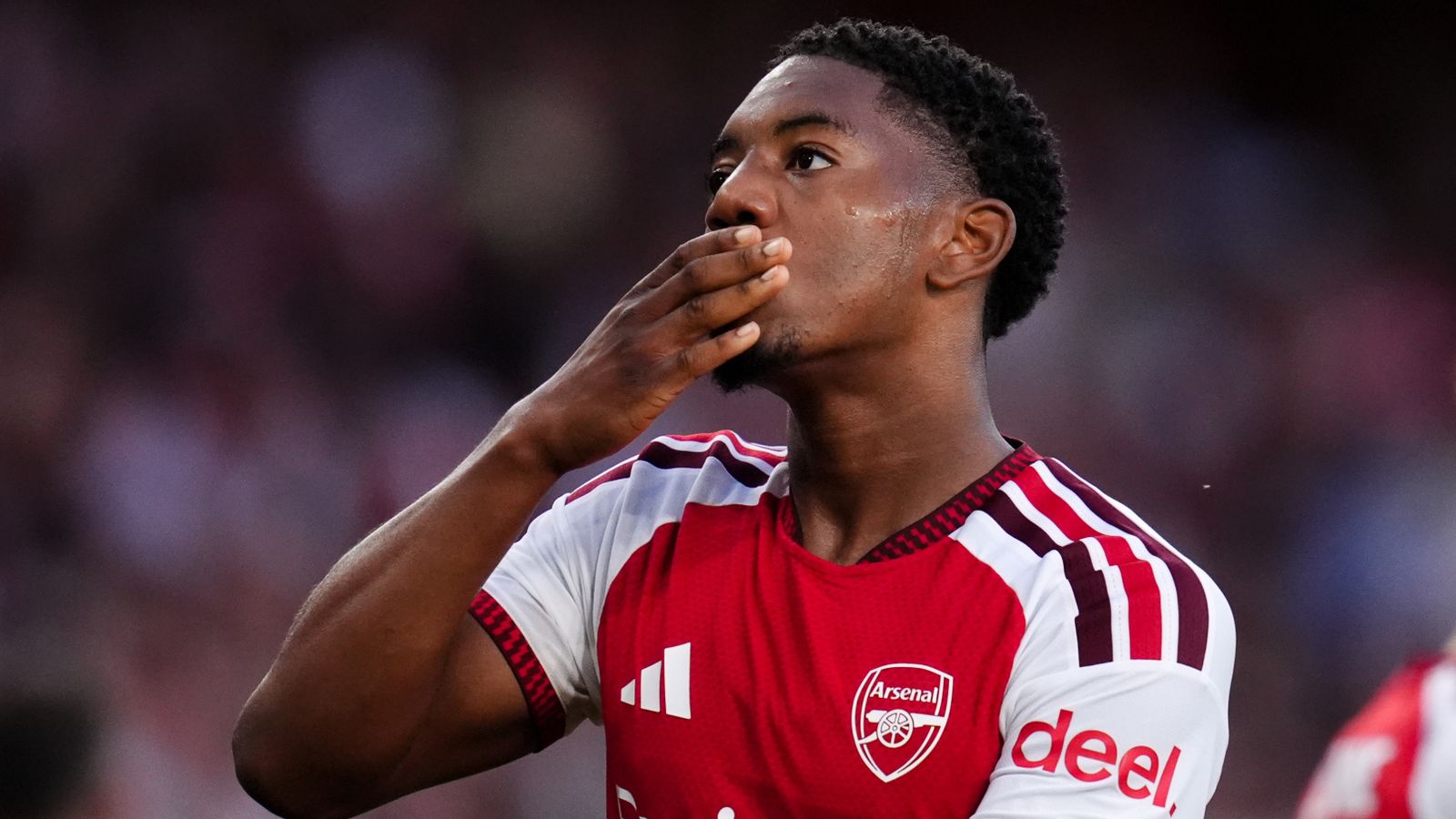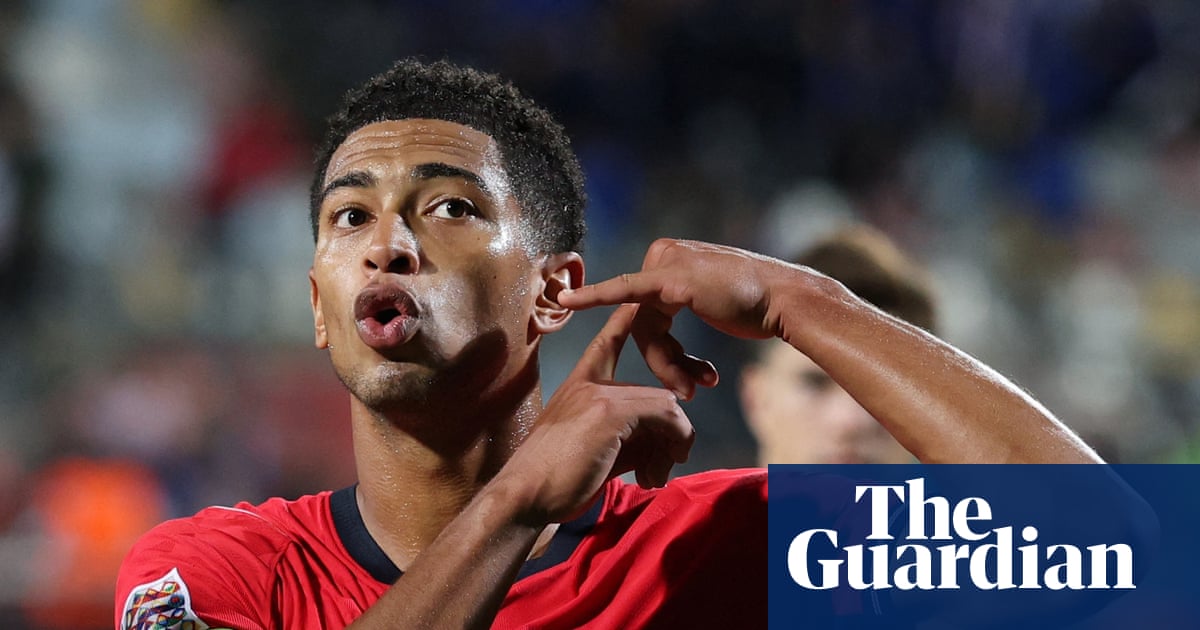
The transition from Newcastle to the Camp Nou
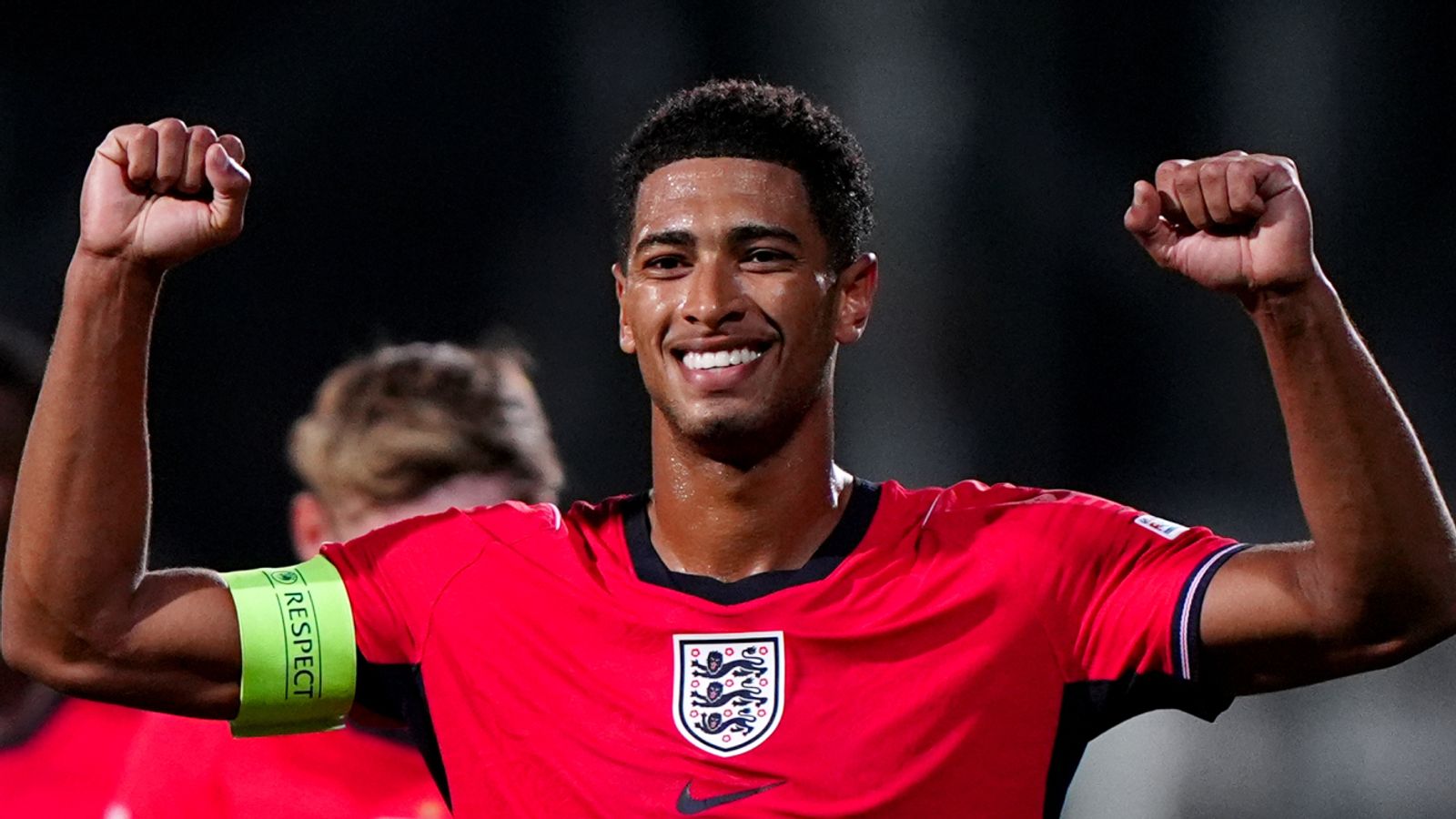
Anthony Gordon has navigated a career trajectory that few predicted when he left Everton. His recent summer move to Barcelona remains the most significant shift in his professional life, yet the focus remains entirely on the pitch. As reported by The Guardian, Gordon is leaning into a process of constant self-improvement. He is no longer the raw prospect from Merseyside; he is a refined winger who profiles as a primary creator for Thomas Tuchel’s side.
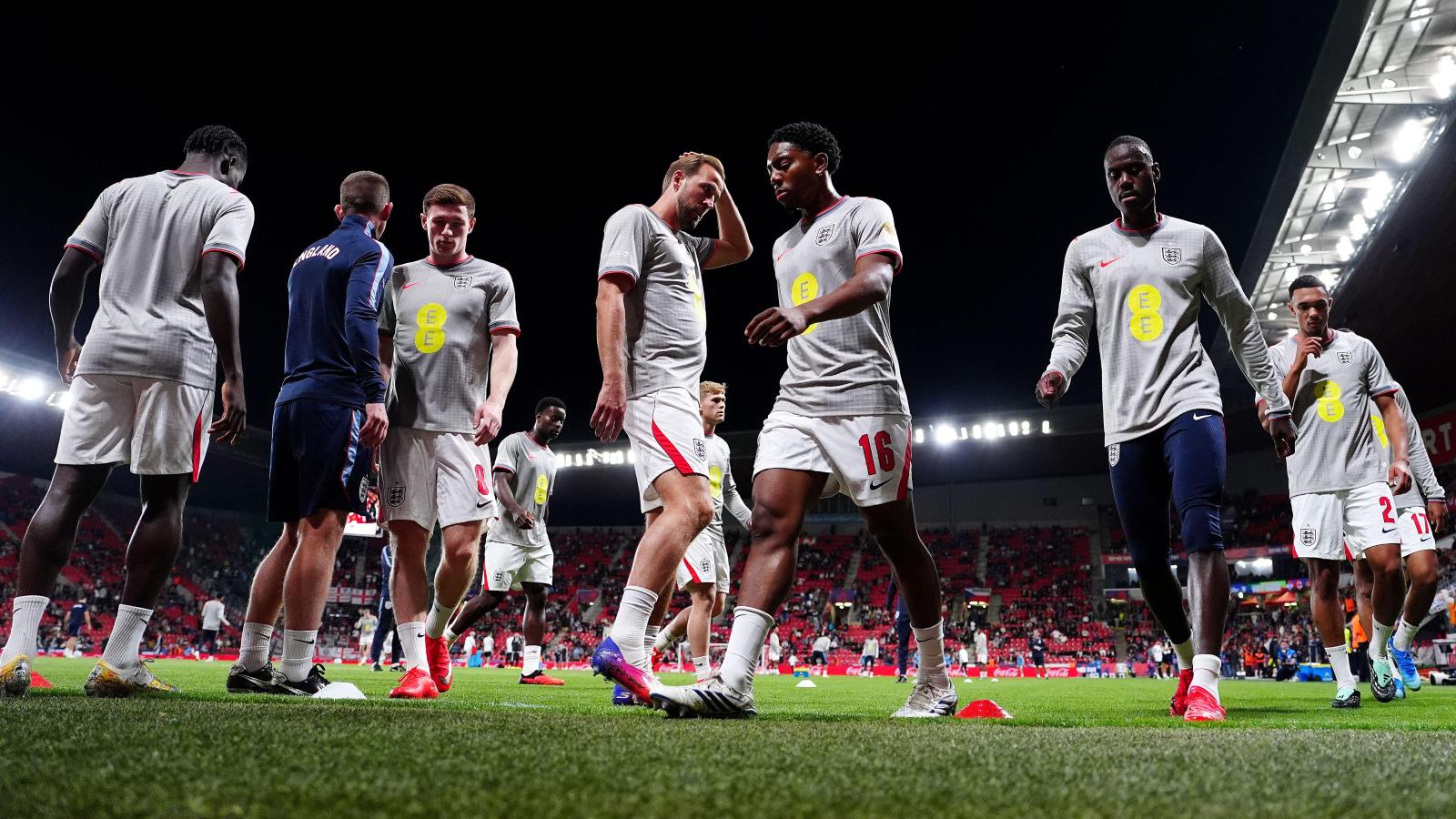
His game has moved past the simple desire to beat a man on the overlap. In the high-intensity environment of the recent tournament, Gordon showcased a tactical discipline that was previously absent from his repertoire. He tracks back with purpose, often occupying the half-spaces that frustrate opposing full-backs, which is exactly where he needs to be effective as England eyes a deep run.
Tactical friction and the Azteca shadow
The discourse surrounding Gordon often steers toward his personality rather than his output. There was significant noise earlier this week regarding his interaction with the former Mexico manager, Javier Aguirre, during their recent fixture. You can read the full account of those comments over at the Mirror, but frankly, the media narrative distracts from his actual footballing efficiency.
His ability to isolate defenders is essential, but he remains prone to moments of tunnel vision. When tracking his heat maps from the last three matches, there is a recurring pattern of Gordon forcing play into congested zones near the touchline. This is a technical oversight. Against elite low-block defenses, he must learn to recycle possession rather than attempting a low-percentage ball into the mixer.
The Rashford narrative versus hard reality
The shadow of Marcus Rashford persists, providing a persistent sub-plot to England’s current attacking setup. The rivalry is as much about media perception as it is about football operations. Supporters are clamoring for a clear pecking order, yet Tuchel seems inclined to rotate based on the specific defensive profile of the opposition. It is a pragmatic, if slightly frustrating, approach for those wanting a set starting eleven.
As Mirror Football outlined recently, Gordon is operating with the desperation of someone who feels he has yet to hit his ceiling. This is the mindset of a player who demands the ball at the 85th minute regardless of the score. That internal drive is his greatest asset, even if it occasionally manifests as friction with his international colleagues.
The outlook for the remaining fixtures
England is three games away from an outcome that would define the current generation. The tactical responsibility on Gordon’s shoulders is heavy; he provides the necessary verticality that modern tournament football demands. If he continues to refine his final ball frequency—which has hovered around a 74% completion rate under pressure—he becomes the most dangerous weapon in the squad.
My take? The constant focus on his interpersonal dynamics is cheap heat. Watch his defensive positioning in the opening 20 minutes of the next match. If he holds his width effectively, the space opens for the interior midfielders to exploit. He will succeed not because of the noise, but because he is finally playing with the composure expected of a high-ceiling talent at a club like Barcelona. England will reach the final, but only if they maximize the specific space Gordon creates. He is the difference-maker.
Read Next
- England versus Norway hinges on more than just the Miami forecast
- Bukayo Saka is the key to England unlocking Norway's low block
- Arsenal’s internal battle at the World Cup: Odegaard vs Rice
- Erling Haaland is already playing 4D chess with England
- 🏴 England World Cup 2026 — Three Lions Hub
- ⚽ La Liga 2025-26 — Title Race Hub