The Belgian Wall crumbles in Los Angeles
Belgium exited the World Cup after a 2-1 defeat to Spain, but the real story is in the medical room. Thibaut Courtois clutched his thigh and left the pitch in tears in the 76th minute of the quarter-final.
The Real Madrid goalkeeper suffered a quadriceps injury that immediately limited his kicking. Manchester United goalkeeper Senne Lammens took his place but failed to stop Mikel Merino's late winner. The loss eliminates Belgium and raises questions about Courtois' international career.
Speaking after the match, Courtois downplayed the severity but acknowledged the physical limitation. Belgium coach Rudi Garcia made the substitution to protect his star goalkeeper. The decision backfired when Lammens misjudged Merino's looping header.
I felt a lot of pain in my quadriceps. But I had no problem with staying in goal though, only for long kicks. In the end the manager decided to take me off, this is no problem as the team goes above everything.
The injury capped a nightmare day for the Belgian medical staff. Midfielder Youri Tielemans had already pulled out of the warm-up with an undisclosed injury. Belgium's golden generation exits with more questions than answers.
This is not Courtois' first battle with lower-body issues. Goalkeepers rely heavily on their quadriceps for explosive jumping and distance clearance. Shifting weight on a damaged quad invites compensation injuries elsewhere in the kinetic chain.
Historically, significant quadriceps strains require three to six weeks of recovery. Courtois now faces a race to be fit for the start of his domestic season. The exit leaves Belgium to rebuild, while Spain prepares to face France on July 14.
England's defensive crisis ahead of Norway
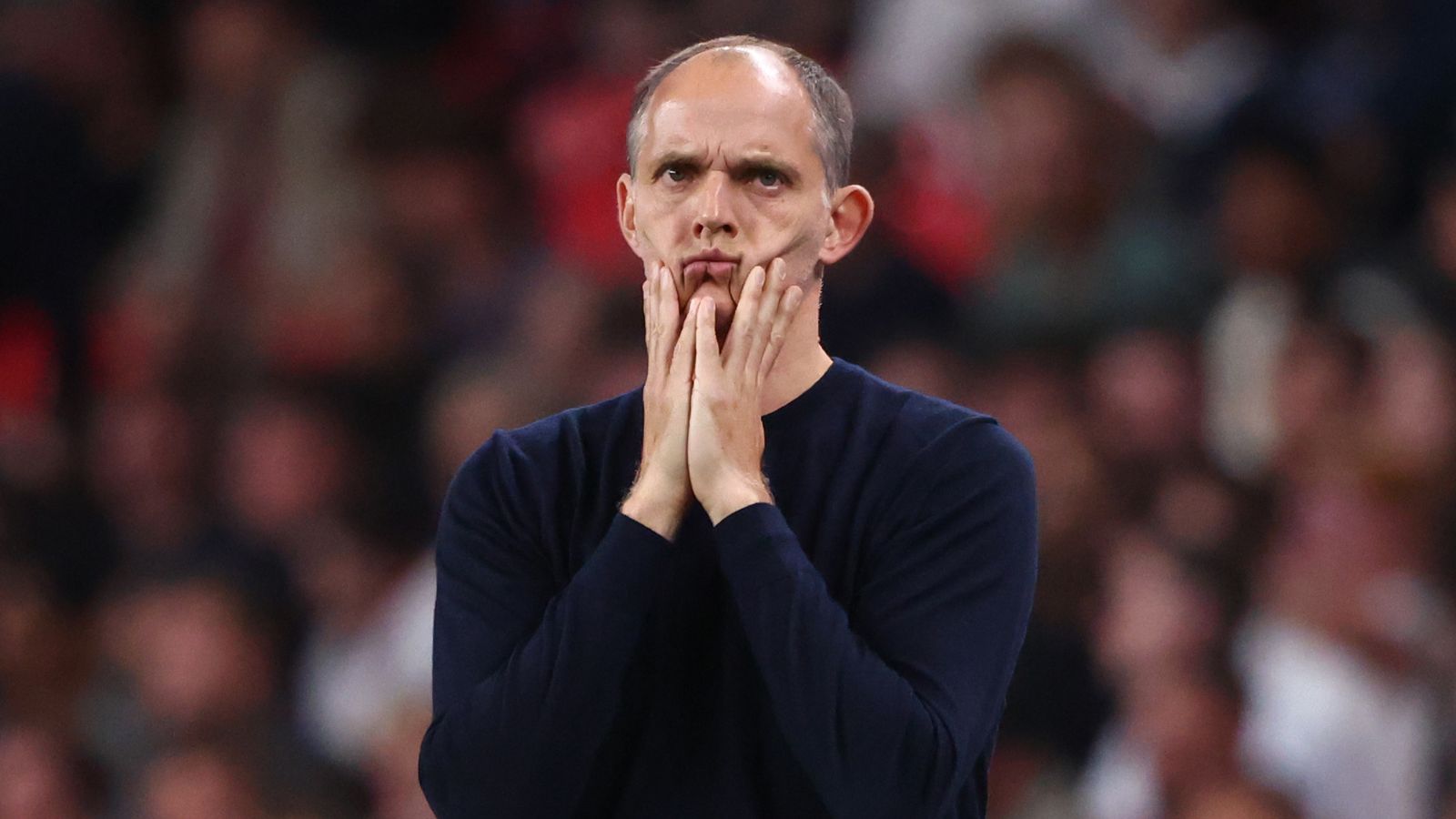
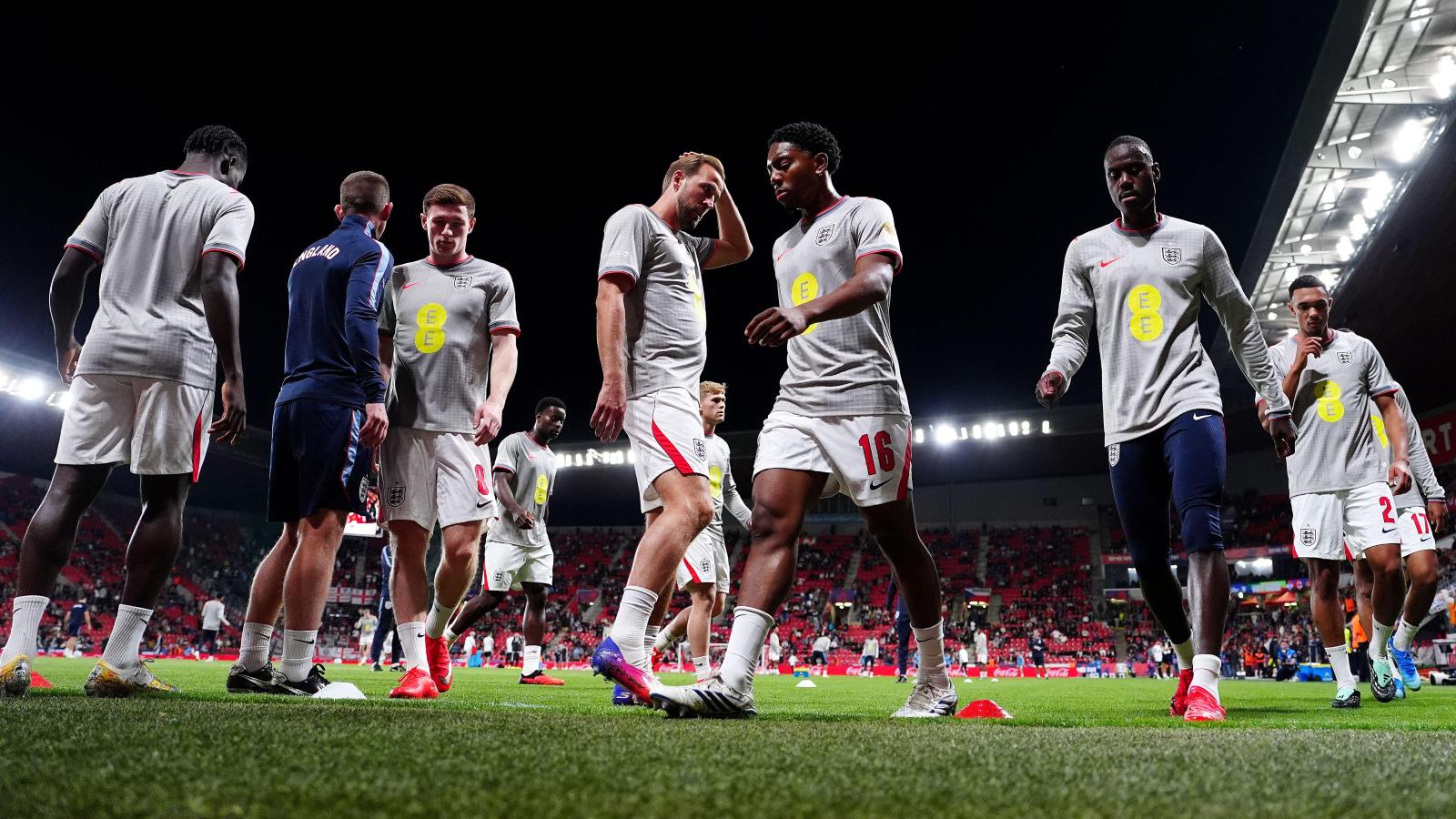
England manager Thomas Tuchel faces his own medical puzzle before Saturday's quarter-final against Norway. The Three Lions are preparing to play in the sweltering heat of Miami, where The Mirror reported that training sessions have been disrupted by injury and illness. Their training camp has looked like a hospital ward.
Defender Marc Guehi missed multiple training sessions this week after a hamstring tweak against Mexico. While Guehi returned to training on Friday, his fitness remains a major concern. England's backline is already missing the suspended Jarell Quansah.
Declan Rice's health has complicated Tuchel's planning further. The Arsenal midfielder missed two days of training due to a sickness bug. Rice has been isolated at the team hotel to prevent a squad-wide outbreak.
The midfielder is also managing a neural issue affecting his hamstring and lower back. Despite these setbacks, both Rice and Guehi participated in the final training session. Tuchel is expected to risk them against Erling Haaland.
Reece James also returned to training on the eve of the match. James has been absent since the draw against Ghana with a hamstring injury. He is expected to start on the bench in Miami.
England's backline is severely depleted at a critical moment. Playing through hamstring tweaks increases the risk of a major tear, which could sideline a defender for months. Tuchel is taking a massive gamble.
Pundits have already voiced concern over the squad's physical state. As Football365 reported, former manager Tim Sherwood has urged Bukayo Saka to step up. Sherwood argues England need more from Saka to ease the pressure on a fragile defense.
Tactically, a diminished defensive shield alters England's entire approach. Rice usually covers vast distances, but his illness and neural back issues will limit his mobility. If Rice cannot press, Haaland will find space between the lines.
England have not beaten Norway in a World Cup environment in 46 years. Back then, a ticket for the qualifier cost a mere £3.50. That represents a sharp contrast to the high-stakes commercial environment in Miami.
Norway's travel-weary squad battles respiratory illness
Norway's success at this tournament has come despite a squad-wide illness. Manager Stale Solbakken has struggled with a persistent cough and fever that has spread through his players. The Scandinavian camp has been hit hard.
Crystal Palace forward Jorgen Strand Larsen missed the opening fixture against Iraq. Later, right-back Marcus Holmgren Pedersen was ruled out of the round-of-16 match against Brazil with a fever. Solbakken has pointed to the traveling schedule as the cause.
Since arriving in North America, the Norwegian delegation has traveled nearly 8,000 miles. They have flown repeatedly between Greensboro, North Carolina, and various host cities. Solbakken explained that rapid changes in climate weakened his players' immune systems.
There's been a bit of coughing and rasping evenly, scattered throughout. But there's air conditioning, flights, changing rooms and all that. We're over 50 people so it would be strange if one or the other didn't come.
The physiological impact of travel on elite athletes is well-documented. Shifting between cold, air-conditioned environments and humid outdoor stadiums creates ideal conditions for infections. Norway's medical team has focused on hydration and recovery.
Solbakken claims his squad has recovered in time for the Miami showdown. However, the physical toll of these journeys could manifest late in the match. If the game goes to extra time, fatigue will be the deciding factor.
Modern tournament scheduling continues to prioritize commercial reach over player welfare. Hosting matches across massive distances forces squads to spend hours in transit. This travel disrupts sleep cycles and recovery protocols.
Norway has managed to survive the illness so far, but the model is unsustainable. The winner of Saturday's match will face a quick turnaround. The squad with the better medical recovery plan will likely hold the advantage.
Read Next
- Senne Lammens and Belgium just experienced the ultimate World Cup heartbreak
- England facing critical fitness hurdles ahead of Norway showdown
- Belgium face an impossible task without Thibaut Courtois
- Tuchel faces his biggest nightmare in Miami as England meet Norway
- 🏆 World Cup 2026 — Full Coverage Hub
- 🇧🇪 Belgium World Cup 2026 — Red Devils Hub