
Thomas Tuchel's selection crisis makes England vulnerable to DR Congo

The Defensive Jigsaw
The Right-Back Crisis
On Wednesday night, England will walk into the Mercedes-Benz Stadium in Atlanta for their World Cup Round of 32 clash. On paper, this is a mismatch. The Opta supercomputer gives England a 73.9% chance of winning in regulation time.
Yet, tournaments are not won on spreadsheets. They are won on the grass, or in this case, the artificial turf of Atlanta. The FieldTurf surface alters the speed of the ball and increases joint friction, making physical conditioning a primary concern.
Right now, the structural foundations under Thomas Tuchel’s feet are looking remarkably thin. The German tactician was hired in October 2024 specifically for his knockout pedigree. He is a manager who demands absolute control, positional rigidity, and defensive security.
But the group stage has exposed deep-seated issues in England’s build-up play. The final group game, a 2-0 victory over Panama on June 27, papered over cracks that a better team would have exploited. England topped Group L, but the performances were far from convincing.
Between the chaotic 4-2 opening win against Croatia and the uninspiring 2-0 finish, there was a sterile 0-0 draw against Ghana in Boston on June 23. That scoreless match revealed a team struggling to break down compact blocks. Now, as the knockout rounds begin, Tuchel faces three selection headaches.
These are not minor tweaks to the starting eleven. They are fundamental structural puzzles that will define England's tournament survival. A wrong decision in Atlanta could bring an early end to a campaign that has struggled for fluidity.
The most immediate crisis is at right-back, where England’s traditional depth has vanished. Through a combination of injury and physical fatigue, Tuchel is out of options. Reece James, the undisputed first-choice, is struggling with fitness.
Tino Livramento, the natural backup, is also dealing with physical concerns. Jarell Quansah, who was tried out of position in training, is sidelined with a twisted ankle. This leaves Djed Spence as the only fit option.
Spence has spent the last few seasons bouncing around on loan, trying to find his footing. Now he is projected to start a World Cup knockout match. This is a massive risk for a manager who prioritizes defensive structure.
Spence is a wing-back who wants to run forward, occupy the high-right channel, and drag defenders out wide. He is not a natural fit for Tuchel’s rest defense, which demands a more conservative, inverted role. In transition, he tends to leave massive spaces behind him.
If Spence starts, he must match up against DR Congo's Yoane Wissa. The Newcastle forward is a lethal inside-left who thrives on diagonal runs into the box. Wissa does not stay wide; he waits for the opposition fullback to commit forward, then exploits the space behind.
If Spence wanders too high, Ezri Konsa will be dragged out of the center to cover. This will leave John Stones isolated against DR Congo's physical strikers like Simon Banza or Fiston Mayele. The defensive transition becomes an open highway for the Congolese wingers.
The Nico O'Reilly Experiment
Spence's inclusion also disrupts the left side of the defense. Nico O'Reilly has been operating as a makeshift left-back during the group stage. O'Reilly is a Manchester City midfielder who has been shoehorned into the backline by Tuchel.
He has performed creditably, drawing on the positional training he received under Pep Guardiola. In possession, O'Reilly is comfortable inverting into midfield to create a build-up box. This helps England dominate possession and control the tempo.
But if O'Reilly inverts and Spence runs high, England will be left with a two-man rest defense. That is suicide against a transition-heavy team like DR Congo. Sébastien Desabre's side is built to exploit these exact imbalances.
They will drop into a low block, absorb pressure, and release Wissa and Meschack Elia instantly. Tuchel must decide if he can trust O'Reilly to stay wide and act as a traditional fullback. If he does, England loses the extra body in midfield.
If he doesn't, the defensive transition becomes highly vulnerable. The Mirror's selection analysis highlights how these defensive dilemmas are weighing heavily on Tuchel's mind. The German manager has spent training sessions trying to patch these holes.
The structural asymmetry of having one touchline-hugging fullback and one inverting fullback is difficult to balance. If the midfield does not adjust, the spaces on the flanks will be wide open. This is where the match could be lost.
The Midfield Balance
Declan Rice and the £116 Million Debate
Midfield selection is the second major headache. Declan Rice is set to return after being rested against Panama. Rice is the defensive anchor, the player who shields the backline and cleans up transitions.
But his partner remains a subject of intense debate. The question is whether to play a defensive double-pivot or introduce more attacking flair. Paul Scholes has publicly argued for the inclusion of Elliot Anderson.
The Nottingham Forest midfielder, who recently agreed to a transfer to Manchester City for £116 million, is the man of the moment. Anderson has had a breakout year. He switched his allegiance from Scotland to England in late 2025 and has quickly become a key figure.
Anderson is a ball carrier. He wants to receive the ball on the turn, drive through the lines, and connect with Jude Bellingham. He has the verticality that England desperately lacked in their stale performances against Panama and Ghana.
According to stats from the Premier League, Anderson completed a high percentage of his passes in the final third last season. He provides the spark that England's midfield has missed. But starting him next to Rice is a gamble.
The debate is detailed in the Mirror's selection analysis, which highlights how Tuchel is weighing these options. If he opts for safety, he risks another sterile performance. If he opts for creativity, he risks defensive exposure.
The Danger of Sterile Possession
DR Congo's midfield is built on industrial power. Charles Pickel and Samuel Moutoussamy are physical, aggressive players who excel at breaking up play. They will pressure the ball carrier and force turnovers in dangerous areas.
If Anderson is caught too high, Rice will be left to cover the entire width of the pitch alone. Tuchel's natural instinct is to play a safer option to maintain structural integrity. But safety has its own costs.
If England plays a double-pivot of Rice and a defensive partner, their possession becomes sterile. We saw this in the group stage: endless sideways passing between the center-backs, with the midfielders refusing to play risky vertical passes. The build-up becomes slow and predictable.
This allows DR Congo to shift their defensive block easily. Anderson provides the spark, but his inclusion requires a level of defensive risk that Tuchel rarely tolerates. The choice is detailed in the Mirror's predicted lineups.
It is a decision between control and creativity. If England cannot progress the ball through the center, they will be forced to play wide, where DR Congo's fullbacks are waiting. This central progression is the key to unlocking the match.
Tuchel must also consider the physical toll. The heat and humidity of Atlanta, combined with the turf pitch, will make midfield running exhausting. A double-pivot that can share the workload might be necessary for survival.
The Attacking Friction
The Flank Lottery
The final dilemma is on the wings. Tuchel has rotated his wide players constantly. Marcus Rashford, Bukayo Saka, Anthony Gordon, and Noni Madueke have all started matches.
None of them have managed to secure a permanent spot. This lack of continuity is hurting England's attacking rhythm, particularly their coordination with Harry Kane. Rashford has shown good form recently, offering directness and goal threat.
On the other side, Bukayo Saka's conditioning is being managed after a grueling season. If Djed Spence starts at right-back, the choice of right-winger becomes a structural decision. Saka is far more disciplined defensively than Madueke.
Saka understands when to drop and cover the fullback space. This will be essential for protecting Spence. If Tuchel opts for Madueke, he gets a specialist 1v1 dribbler who can isolate DR Congo’s left-back.
But Madueke's defensive work rate is inconsistent. This could leave Spence exposed to overlaps from Arthur Masuaku, who is a creative force for DR Congo from left-back. Tuchel is still agonizing over this choice.
The wingers must also contribute to the press. DR Congo's goalkeeper, Lionel Mpasi, is comfortable playing short passes to his center-backs. If England's wingers do not press effectively, DR Congo will build up from the back with ease.
The Harry Kane Bottleneck
This winger selection is also linked to the role of Harry Kane. The captain has been dropping deep to collect the ball, often occupying the same space as Jude Bellingham. This clogging of the central area has slowed down England's transitions.
Without runners behind, Kane's passing range is wasted. If Kane drops, England needs wingers who will immediately run into the space he leaves. Anthony Gordon does this brilliantly, constantly stretching the defense.
Rashford does it too. If Tuchel selects Saka and Madueke, both players prefer to receive the ball to feet, which slows down the attack. The lack of vertical runs from the wide areas has made England easy to defend against.
This was evident in the 0-0 draw against Ghana, where England managed only two shots on target. The attacking players looked disconnected and frustrated. Tuchel must find a way to get Bellingham and Kane operating on different lines.
If Bellingham is running into the box, Kane must stay high or vice versa. Right now, they are stepping on each other's toes. The inclusion of a direct winger like Gordon or Rashford is the easiest way to solve this.
This tactical adjustment is essential for breaking down DR Congo's low block. If Kane and Bellingham continue to occupy the same space, the central area will be congested. England will be forced to play low-probability crosses into the box.
The Threat of the Trap
The Desabre Counter-Blueprint
DR Congo is not a team to be underestimated. Sébastien Desabre has drilled them into a disciplined, compact unit. They do not seek to dominate possession.
Instead, they wait for the opponent to make a structural mistake. Their defensive line, led by Chancel Mbemba, is comfortable defending deep. They will allow England to pass sideways in their own half.
The moment England plays a loose pass into midfield, DR Congo will pounce. With Aaron Wan-Bissaka providing defensive solidity on one flank and Masuaku offering attacking outlet on the other, they have a balanced fullback pairing. Wissa and Elia will look to run into the space behind England's fullbacks.
England's slow transition defense is their greatest vulnerability. If Tuchel's side cannot counter-press effectively, they will be caught out. Desabre will have noted how Croatia carved England open in the group opener.
DR Congo also possesses significant set-piece threat. With Mbemba and Banza in the box, they can exploit any defensive hesitation. England must be disciplined in giving away cheap free-kicks and corners.
The physical battle will be intense. DR Congo will look to disrupt England's rhythm through tactical fouls and physical dominance. England must match this intensity or risk being bullied out of the game.
The Tactical Verdict
England enter the knockout stage with a squad that is unbalanced and fatigued. The right-back crisis has forced Tuchel into makeshift solutions. The midfield remains an unresolved debate between safety and creativity.
Against DR Congo, these weaknesses will be tested. Sébastien Desabre’s team will wait for Djed Spence to wander out of position, wait for Elliot Anderson to lose possession, and strike.
If Tuchel cannot find the right structural balance, England's World Cup run could end in Atlanta. The tournament favorite is standing on a house of cards. One gust of wind from DR Congo could knock it down.
Read Next
- England's right-flank breakdown is setting up a World Cup disaster against DR Congo
- Why England should dread DR Congo's low block in the last-32
- Top 10: Jarell Quansah's Defining Career Milestones
- Why Bukayo Saka at right-back is England's best option against DR Congo
- 🏆 World Cup 2026 — Full Coverage Hub
- 🏴 England World Cup 2026 — Three Lions Hub
PUMA Orbita 6 PL Thrill MS Soccer Ball
A budget-friendly piece of the Premier League.
Frequently Asked Questions
Where is the England vs DR Congo Round of 32 match being played?
Why does England have a right-back crisis against DR Congo?
Who is England's likely starting right-back against DR Congo?
How did England perform in their World Cup group stage matches?
Which DR Congo player poses the biggest threat to England's right side?
More Coverage

Scotland's attacking promise died in the 11th minute against Switzerland
55 minutes ago
England win in Prague but Thomas Tuchel still has tactical puzzles to solve
3 hours ago
Tuchel got his win in Prague, but Trent and VAR are still causing arguments
4 hours ago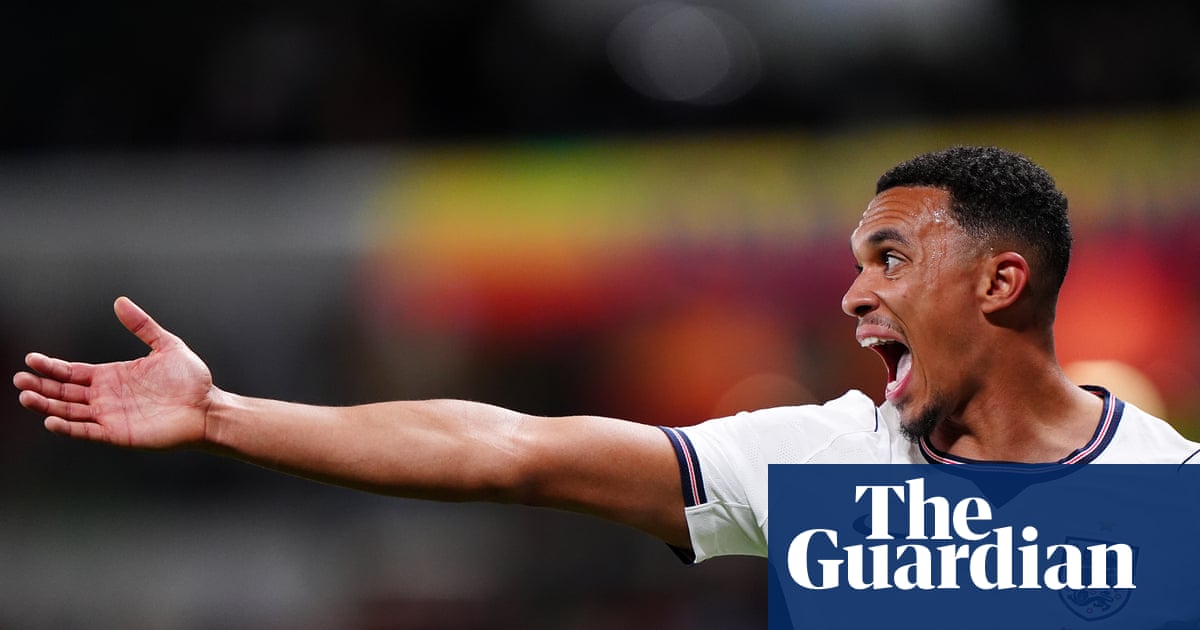
Thomas Tuchel is still overthinking Trent Alexander-Arnold
4 hours ago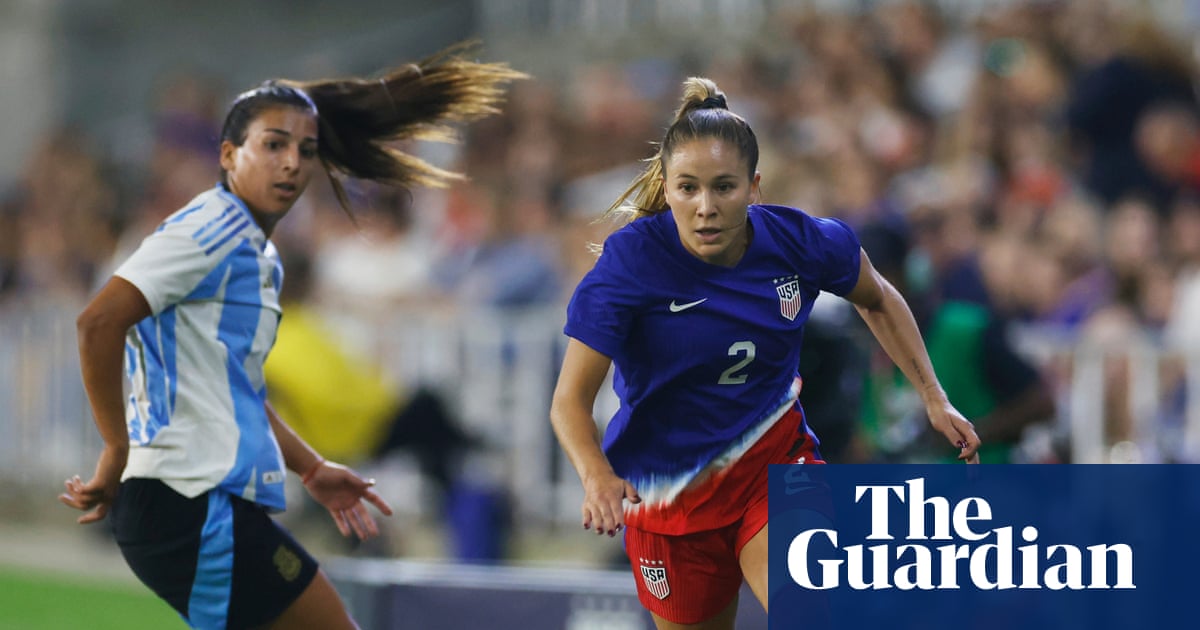
Ashley Sanchez's 20-goal NWSL season creates a massive USWNT tactical puzzle
10 hours ago
Ashley Sanchez is scoring at will, but where does she fit under Emma Hayes?
10 hours agoMore Analysis
England win in Prague but Thomas Tuchel still has tactical puzzles to solve
3 hours ago
Tuchel got his win in Prague, but Trent and VAR are still causing arguments
4 hours ago
Thomas Tuchel is still overthinking Trent Alexander-Arnold
4 hours ago
Thomas Tuchel is playing with fire after England's Wembley disaster
13 hours ago
Sarina Wiegman dropping Toone and Kelly is a massive gamble for the Lionesses
17 hours ago