Right-Back Injury Void Creates Trent Alexander-Arnold Opportunity
England closed out an intense autumn international period with a 3-0 victory over Czech Republic at Wembley on Tuesday night. The result all-but guaranteed a spot in the Nations League quarter-finals. Yet behind the party atmosphere inside the stadium, Thomas Tuchel faces a dynamic squad fitness situation following a grueling stretch of four games in 11 days.
The headline medical focus centers on England's right-back department. An unexpected wave of injuries hit the regular right-back rotation prior to camp, stripping Tuchel of several first-choice options. That injury backlog opened a direct pathway for Trent Alexander-Arnold to return to the starting lineup and re-establish his international credentials.
Alexander-Arnold seized the opportunity with a masterclass in ball distribution across the international break. He anchored England's build-up play, dictating tempo from deep positions and unlocking compact defensive blocks. However, team sources indicate his starting status remains under review once the injured right-backs complete their rehab programs and return to full club fitness.
On the opposite side of the pitch, Newcastle defender Lewis Hall resolved England's ongoing left-back question. Hall started back-to-back fixtures and posted impressive physical metrics throughout the camp. His relentless overlapping runs gave England natural width on the left flank, allowing internal attackers space to operate.
Midfielder Alex Scott also earned high marks from the medical and coaching staff. Assistant manager Anthony Barry singled out Scott as a player who has already integrated into the squad's inner core. Scott demonstrated excellent physical recovery between games, displaying elite tactical discipline in central midfield against Czech Republic.
Four Matches in 11 Days: Physical Loads and Tactical Shifts
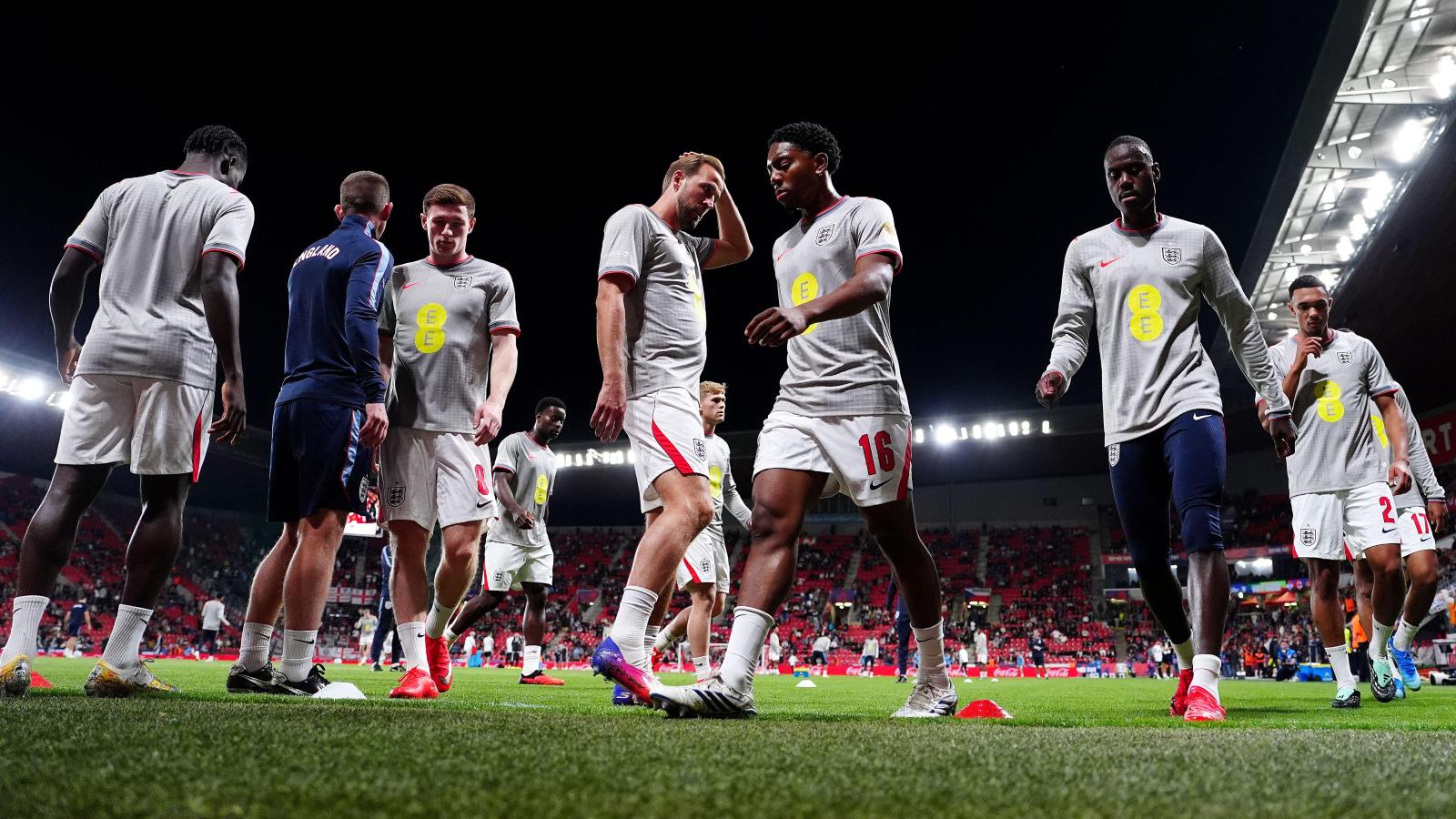
Managing player workload across four matches in 11 days demanded maximum physical output from England's squad. Exactly 83 days after losing to Argentina in the World Cup semi-finals, Tuchel demanded an aggressive, high-pressing tactical identity. The team's physical baseline was put to the test during Saturday's 7-0 demolition of Croatia.
England pressed with ferocious energy from the opening minute against Croatia. They forced high turnovers, sustained counter-pressing traps, and physically overwhelmed their opponents across 90 minutes. The performance provided clear proof that the squad has bought into Tuchel's demanding physical regime.
Even in the window's opening match against Spain, England showed promising fitness metrics. Despite suffering a narrow loss, England matched the world champions in physical coverage and intensity. The outcome swung on a missed penalty kick rather than a breakdown in physical condition.
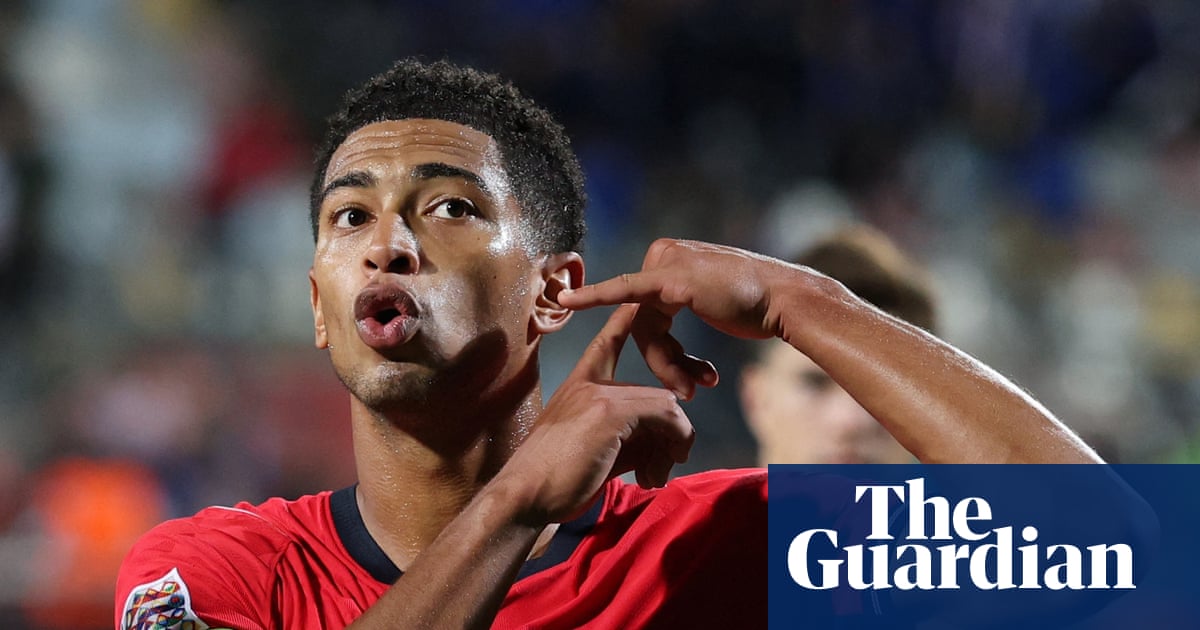
Tactically, the physical demands are anchored by fluid positional movement between Jude Bellingham and Harry Kane. Kane regularly dropped into midfield to draw opposing center-backs out of position. Bellingham exploited the space behind, sprinting forward to function as a primary attacking threat.
Anthony Barry explained the tactical adjustment by noting the coaching staff had let Bellingham out of a cage. With Bellingham operating as a roaming forward, bench striker Dominic Calvert-Lewin went unused. Tuchel prioritized Bellingham's late runs into the penalty area over introducing a traditional target man.
Bukayo Saka praised the physical chemistry of the frontline after Tuesday's win. Saka stated that England's front four is the most dangerous attacking unit in world football when operating at peak fitness. The combination of Saka, Anthony Gordon, Bellingham, and Kane systematically disassembled the Czech defensive shape.
Availability Penalties: Palmer, Foden, and Maguire Left on Outskirts
While physical performances on the pitch improved, Tuchel enforced strict standards regarding player availability and selection. Cole Palmer missed the entire autumn camp after failing to utilize previous opportunities to join the squad. Tuchel adopted a firm stance, refusing to include players who miss scheduled preparation sessions.
Phil Foden was omitted from the squad roster entirely. Tuchel chose not to call up the playmaker, selecting players who fit his immediate pressing demands instead. Foden must now prove his physical condition and form in domestic matches before the next squad announcement.
Harry Maguire was another notable absentee from the October group. Maguire had publicly expressed his frustration after being excluded from England's World Cup squad during the summer. Tuchel showed no intent to reverse course, maintaining a preference for mobile central defenders capable of playing a high defensive line.
The camp was not without internal tension prior to the recent wins. Tuchel held clear-the-air meetings with senior squad members to resolve lingering anger over his public criticism of their performance standards following the World Cup exit. Sources indicated those talks successfully restored team unity before kickoff against Croatia.
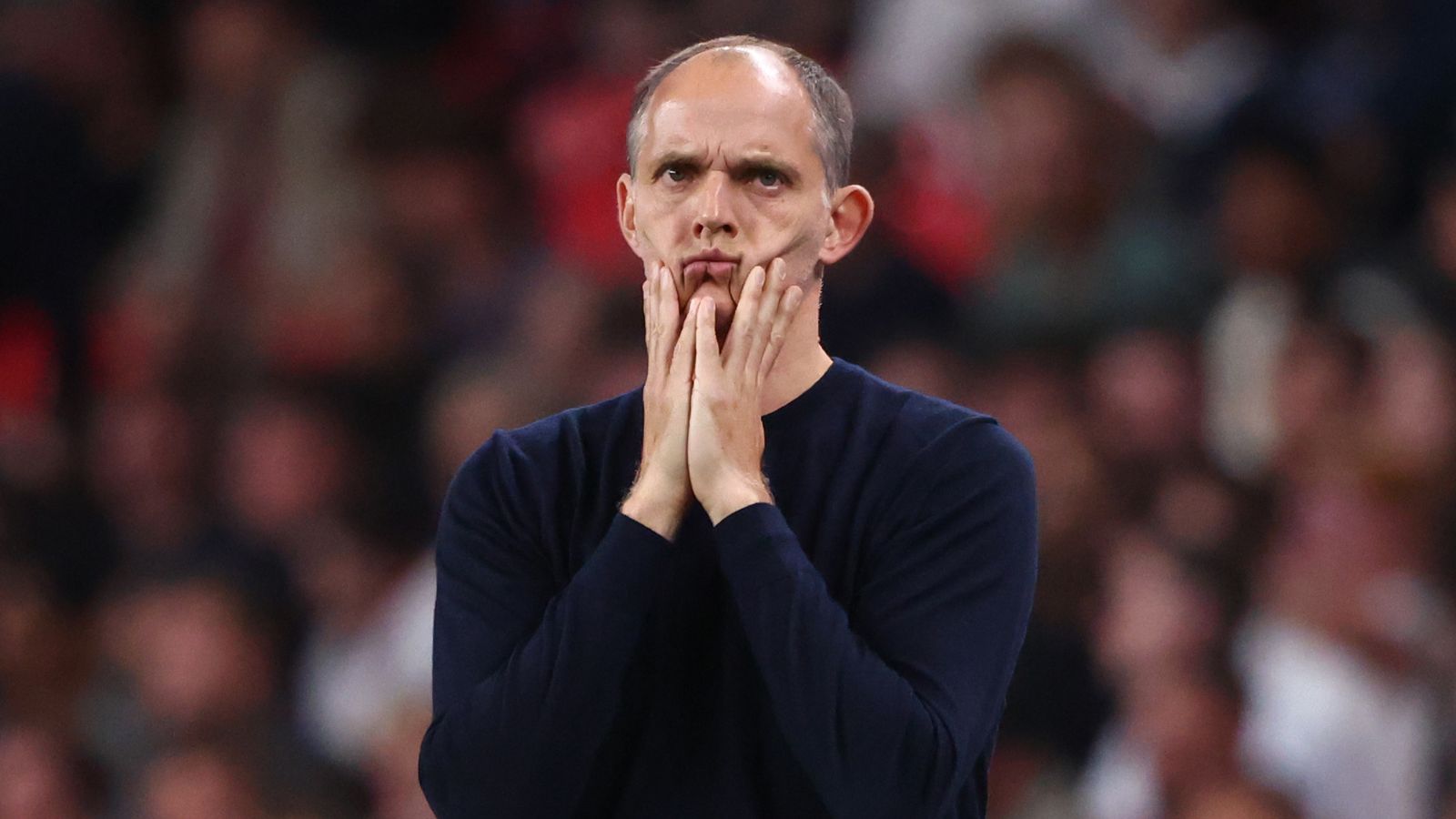
Touchline observers noted that Tuchel shifted his public demeanor as the camp progressed. After initially projecting a brooding malaise during early training sessions, Tuchel returned to his energetic, hands-on coaching style on the Wembley touchline during Tuesday's victory.
Media Friction and November's Spain Challenge
Despite three consecutive victories and three clean sheets, post-match media obligations revealed lingering frustration. Tuchel engaged in a tense exchange with journalists during his press conference on Tuesday night, venting frustration over how the World Cup semi-final exit had been reported.
When asked if team confidence had improved since the summer tournament, Tuchel offered a sharp defense of his record.
"It's necessary to move on and I can only repeat: we didn't go out in the group stage. It often feels like that. But we didn't."
When questioned on whether public scrutiny had been overly harsh, Tuchel's tone turned scornful. "In between, it felt a little bit like it, yeah," he responded, before questioning whether reporters were present at pre-match conferences in North America. The exchange highlighted a manager still holding resentment toward media coverage.
Tuchel's decision to revisit summer grievances following a 3-0 win was a questionable tactical choice off the pitch. Railing against old headlines after a dominant week creates unnecessary headlines around a squad that should be celebrating momentum. Strong leadership requires focusing forward rather than reopening old arguments with the press.
England now face a six-week break before their toughest physical test of the autumn: an away trip to face Spain in November. Playing the world champions on home soil will demand peak physical conditioning and absolute tactical discipline across 90 minutes.
The medical team will closely monitor England's injured right-backs as they return to club action over the coming month. Alexander-Arnold established a strong benchmark, but defensive solidity will be paramount against Spain. Tuchel must balance offensive fluidity with defensive structure to secure a result in November.
Read Next
- Tuchel got his win in Prague, but Trent and VAR are still causing arguments
- Thomas Tuchel is still overthinking Trent Alexander-Arnold
- England crush Croatia 7-0 as Lee Gi-hyuk sparks Asian Games draft storm
- Bukayo Saka blew Croatia away, but his real challenge under Tuchel is ahead
- 🏴 England World Cup 2026 — Three Lions Hub
- 🇪🇸 Spain World Cup 2026 — La Roja Hub
- 🏆 UEFA Nations League Final Four 2026 Hub — June 4-8, Lisbon