A Strange Night in Rijeka
The atmosphere inside Stadion HNK Rijeka on Saturday night felt like a school assembly. UEFA crowd sanctions meant only 6,200 Croatian pupils under fourteen filled the stands, their high-pitched chants echoing across empty terraces. England treated the unusual setting like a light training exercise.
Bukayo Saka ignored the bizarre backdrop entirely. From the opening whistle, he took control of the right touchline, forcing Croatia's full-backs into rapid retreat. By halftime, Saka had scored twice, capping a dominant four-goal opening period for the visitors.
England eventually closed out a historic 7-0 victory on Croatian soil in the UEFA Nations League. Saka's second goal right before the break showcased his sharp movement into central spaces. Alongside Harry Kane's double, Saka turned a tricky away fixture into a complete mismatch.
As The Guardian reported, England looked ready to steal candy from a baby against an overwhelmed Croatian side. Saka did not need flashy tricks to beat his marker. Simple shifts of weight and sharp accelerations opened up space all night.
His performance in Rijeka reminded everyone of his sky-high ceiling. When Saka finds his rhythm early, opposing defenses struggle to cope with his direct running. Yet the true value of Saturday's double lies in what happened just days before it.
The Frustration of Prague and the Czechia Reality Check
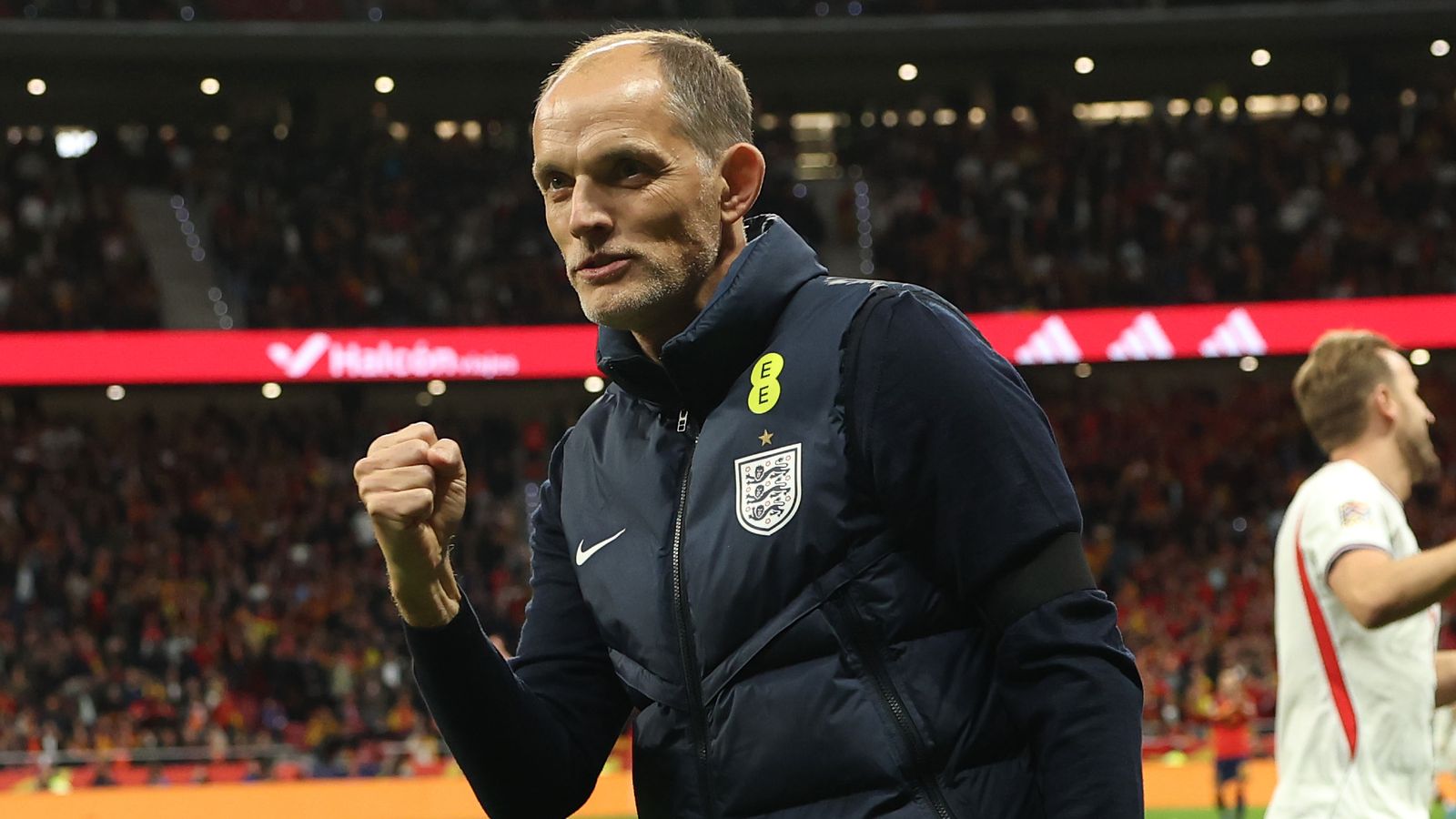
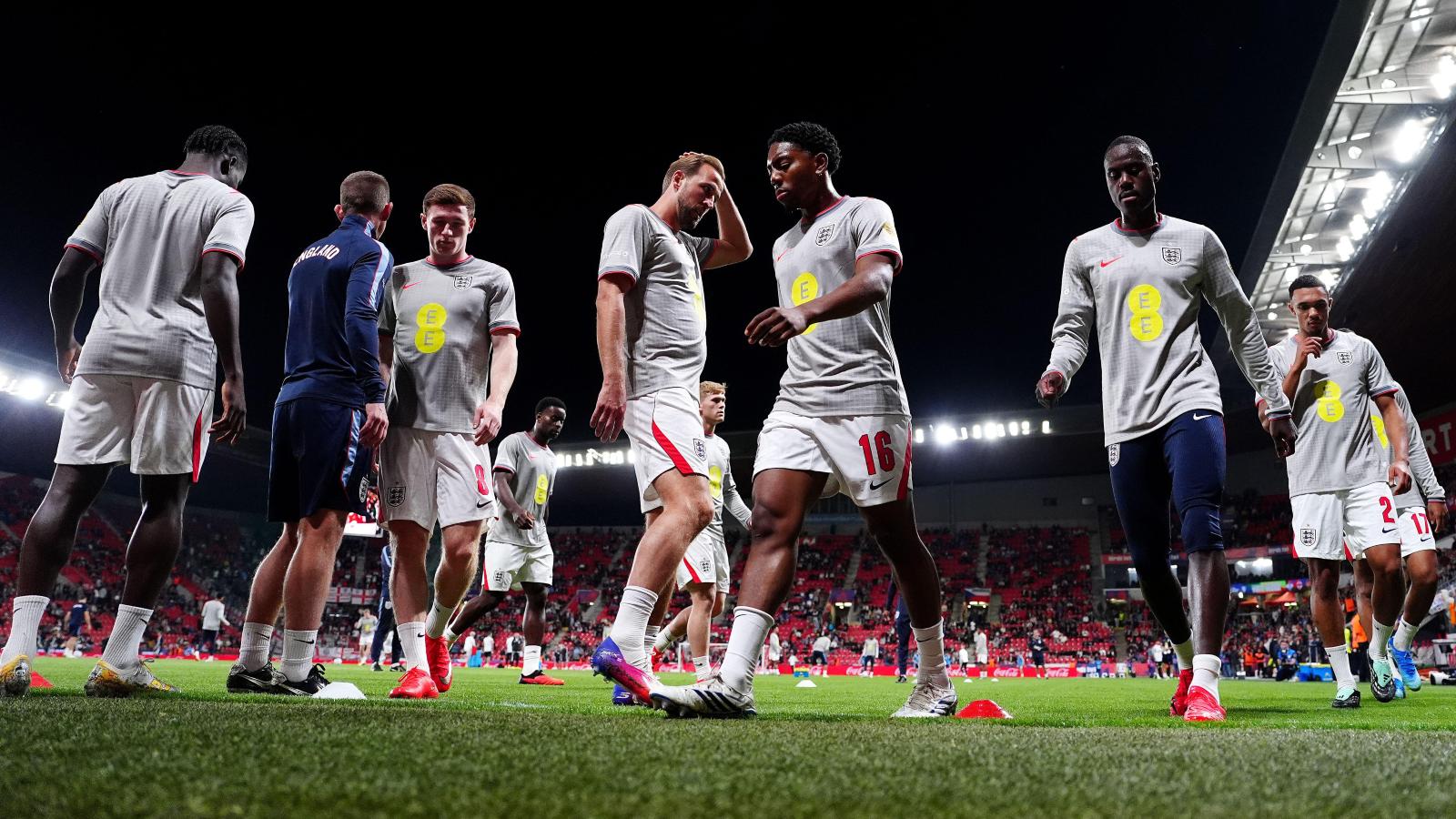
Just days prior against Czechia, Saka experienced one of his most ineffective outings in an England shirt. Thomas Tuchel handed Trent Alexander-Arnold a start in midfield, while Anthony Gordon and Lewis Hall stole the spotlight. Saka, by contrast, looked heavy-legged and erratic on the right wing.
He repeatedly surrendered possession in tight areas, failing to complete basic combination passes. His decision-making slowed down, allowing Czech defenders to double up on him before he could turn. It was an off night that stood out precisely because his usual standards are high.
As the Football365 ratings noted, Saka was wasteful against Czechia while his teammates shined. He drifted out of dangerous areas and struggled to adapt to Tuchel's tactical demands. Where Gordon offered constant vertical running on the left, Saka looked isolated on the right.
Critics quickly questioned whether Saka fits seamlessly into Tuchel's rapid transition system. Others asked if his relentless club minutes for Arsenal were finally catching up with him. Those questions were valid after such a flat individual performance in Prague.
Against Czechia, defenders forced Saka onto his weaker right foot and crowded the central half-spaces. He had no room to operate and no answers for the physical pressing. It proved that even England's most consistent wide player can look ordinary under proper pressure.
Saka's quick response in Rijeka showed his mental toughness. Rather than dwelling on a poor rating, he adjusted his positioning, simplified his choices, and punished Croatia from the opening kickoff.
Deconstructing Saka's Tactical Development
To understand why Saka remains foundational for England, one must look at how his game developed. He made his senior Arsenal debut under Unai Emery back in late 2018 as a seventeen-year-old. Few predicted how quickly he would become an irreplaceable figure.
When injuries hit Arsenal's defense in late 2019, Mikel Arteta pushed Saka to left-back. Most teenage wingers would have faltered in an unfamiliar defensive role. Saka adapted instantly, building positional awareness while still driving forward with intent down the flank.
That spell at left-back built his footballing IQ. He learned how full-backs position their hips, when they balance their weight, and how they react to sudden changes of speed. When Arteta moved him to the right wing in 2020, Saka used that knowledge to break down opponents systematically.
He took Arsenal's famous number seven shirt and made the right wing his engine room. Over recent seasons, Saka has delivered double-digit goal tallies while carrying Arsenal's primary attacking load. He absorbed the fouls, drew double teams, and shouldered the tactical responsibility of a title contender.
His game relies on spatial timing rather than flashy stepovers. He holds width until a central defender steps out, then ghosts into the eighteen-yard box undetected. That exact movement produced his second goal against Croatia.
As Sky Sports logged during live coverage, England were six up and rampant as Saka and Harry Kane dismantled Croatia's backline. Saka's partnership with Kane remains crucial. Kane drops deep to draw center-backs, opening diagonal channels for Saka to attack.
Workload Concerns and Tactical Counterarguments
There is a flip side to Saka's consistency that England and Arsenal must address. Saka has logged nearly 50 games per season since turning nineteen. That relentless workload creates physical fatigue that manifests during congested international windows.
During spring title races, Saka often plays through obvious physical bumps. Opponents target him with tactical fouls, and defenders crowd his space aggressively. Over time, that physical wear contributes to quiet nights like the one against Czechia.
Furthermore, an honest assessment reveals structural limitations in his game. When opposing teams set up deep low blocks with five defenders, Saka can get trapped against the touchline. If England's midfield moves possession slowly, he receives the ball standing still with two markers ahead of him.
In those moments, Saka sometimes forces passes into crowded central channels instead of resetting play. He can become predictable when denied his favorite left-foot angle. If defenders shut down his inside cut, his delivery from the right touchline can lack consistency.
There is also the question of tactical fit under Thomas Tuchel. Tuchel demands vertical speed and quick combinations. If Saka stays glued to the touchline, he risks disconnecting from the central attackers during rapid counter-attacks.
Anthony Gordon showed against Czechia how direct running unpicks structured defenses. Saka's game is more deliberate and methodical. Finding the right balance between Gordon's direct pace and Saka's controlled possession is a puzzle Tuchel must solve.
The Path Forward for Club and Country
Saka's resilience has defined his career so far. Returning from high-profile setbacks early in his career, he responded with consecutive player of the season awards at Arsenal. He possesses a calm mental poise that keeps him grounded through criticism and praise alike.
He does not shrink when pressure builds. That composure is why managers rely on him in high-stakes matches. Even after a frustrating night in Prague, nobody inside the England setup doubted his ability to bounce back against Croatia.
For Thomas Tuchel, the priority must be managing Saka's physical load. Asking him to play full matches across every fixture risks burn-out before major summer tournaments. England need tactical alternatives that keep Saka fresh without dropping attacking quality.
Tuchel needs options that allow Saka to rest without sacrificing threat on the right flank. Rotating players or shifting Cole Palmer into wide roles could give Saka necessary breathers during busy international schedules.
Saka's double in Rijeka proved his goalscoring instincts remain elite when given space. But as England target major trophies under Tuchel, maintaining consistency against elite defensive blocks will be his ultimate benchmark.
At twenty-five, Bukayo Saka is no longer an emerging academy prospect. He is a senior leader for both Arsenal and England. Dominant nights in Rijeka demonstrate his ceiling; now he must sustain that impact when the stakes are highest.
Read Next
- Tuchel got his win in Prague, but Trent and VAR are still causing arguments
- England lost to Spain but the Nations League is actually working
- Jude Bellingham is already running world football and Real Madrid knows it
- Thomas Tuchel's England just sent a message in Rijeka
- 🏴 England World Cup 2026 — Three Lions Hub
- 🇭🇷 Croatia World Cup 2026 — Modrić's Farewell
- 🏆 UEFA Nations League Final Four 2026 Hub — June 4-8, Lisbon