The Torch Wasn't Passed, It Was Taken
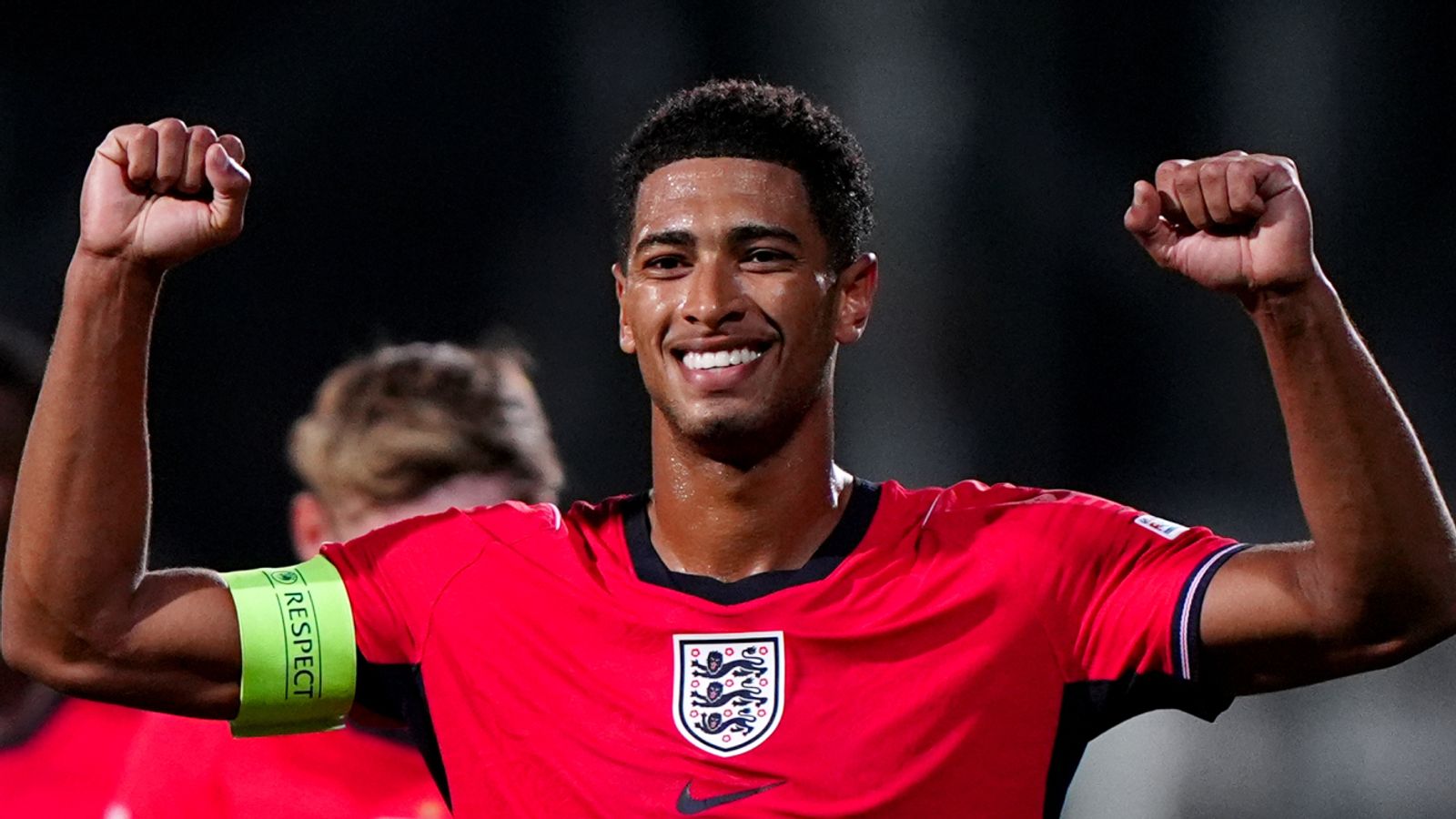
Pull up a stool, order another round, and let us talk about what went down on the pitch. England did not just defeat Croatia; they demolished them 7-0 in a match that felt less like an international fixture and more like a public execution of past bad habits.
While the goalscorers will steal the headlines across social media, the real earthquake happened right in the center circle. Bournemouth midfielder Alex Scott got his first senior start for the Three Lions, and he did not merely grab the opportunity. He grabbed it by the throat, spun it around, and threw it through the announcer's table.
If you read The Telegraph report by Matt Law following the match, the diagnosis was swift and unapologetic. Law stated plainly that Scott just ended Jordan Henderson's England career, and honestly, anybody watching with open eyes reached the exact same conclusion within thirty minutes.
Alex Scott just ended Jordan Henderson's England career.
For three years, England fans suffered through lectures about why veteran presence mattered more than dynamic form. We were told that tournament football required calm elder statesmen to manage the tempo when games got chaotic.
Then a 23-year-old kid from Bournemouth stepped into the engine room and showed what actual tempo management looks like in 2026. He did not pass sideways to reset the play; he turned, chopped past pressing midfielders, and drove straight at the opposition backline.
It was crisp, aggressive, and utterly relentless. The debate about England's midfield hierarchy did not just shift against Croatia; it evaporated into thin air.

The Myth of the Dressing Room Vibe Coordinator
Let us be completely fair to Jordan Henderson for a moment before we dissect the end of his international run. The man earned 91 caps for his country, captained Liverpool to a Premier League title and a Champions League trophy, and gave everything to the shirt. Nobody is taking those medals away from him.
However, keeping a 36 years old midfielder in the national squad for locker room morale was becoming impossible to defend. You do not burn a roster spot on a glorified cheerleader when younger, sharper players are tearing up the Premier League every weekend.
International football is not pro wrestling where an aging legend can pop the crowd with a nostalgia entrance while younger talent does the heavy lifting inside the ring. When the pace picks up at the international level, nostalgia will leave you stranded ten yards behind the play.
We saw this exact same mistake play out during the dark ages of the Golden Generation. Managers kept picking big names past their prime out of habit, fear, and misplaced loyalty. Remember Wayne Rooney being wedged into a deep midfield role long after his legs had lost their burst? It was uncomfortable to watch, and it held back an entire generation of emerging talent.
Now, let us not pretend Alex Scott played a flawless ninety minutes without a single hiccup. In the 14th minute, Scott flew into a wild sliding tackle on the wing, missed the ball completely, and picked up a rapid yellow card that had the coaching staff wincing on the sideline.
It was a rash, overly eager challenge from a kid trying to prove everything on his first start. A younger Henderson would have barked at him, but Scott did something better: he adjusted his discipline instantly, stopped diving in, and dominated the rest of the match through positioning and anticipation.
That ability to self-correct under pressure showed more maturity than ten pre-game pep talks in the tunnel. Scott proved he belongs at this level, flaws and all.
The New Midfield Order Under Tuchel
Thomas Tuchel did not accept the England job to host a farewell tour for veterans clinging to past glory. He was brought in to win trophies, and his tactical blueprint requires high-intensity pressing and lightning-quick vertical transitions.
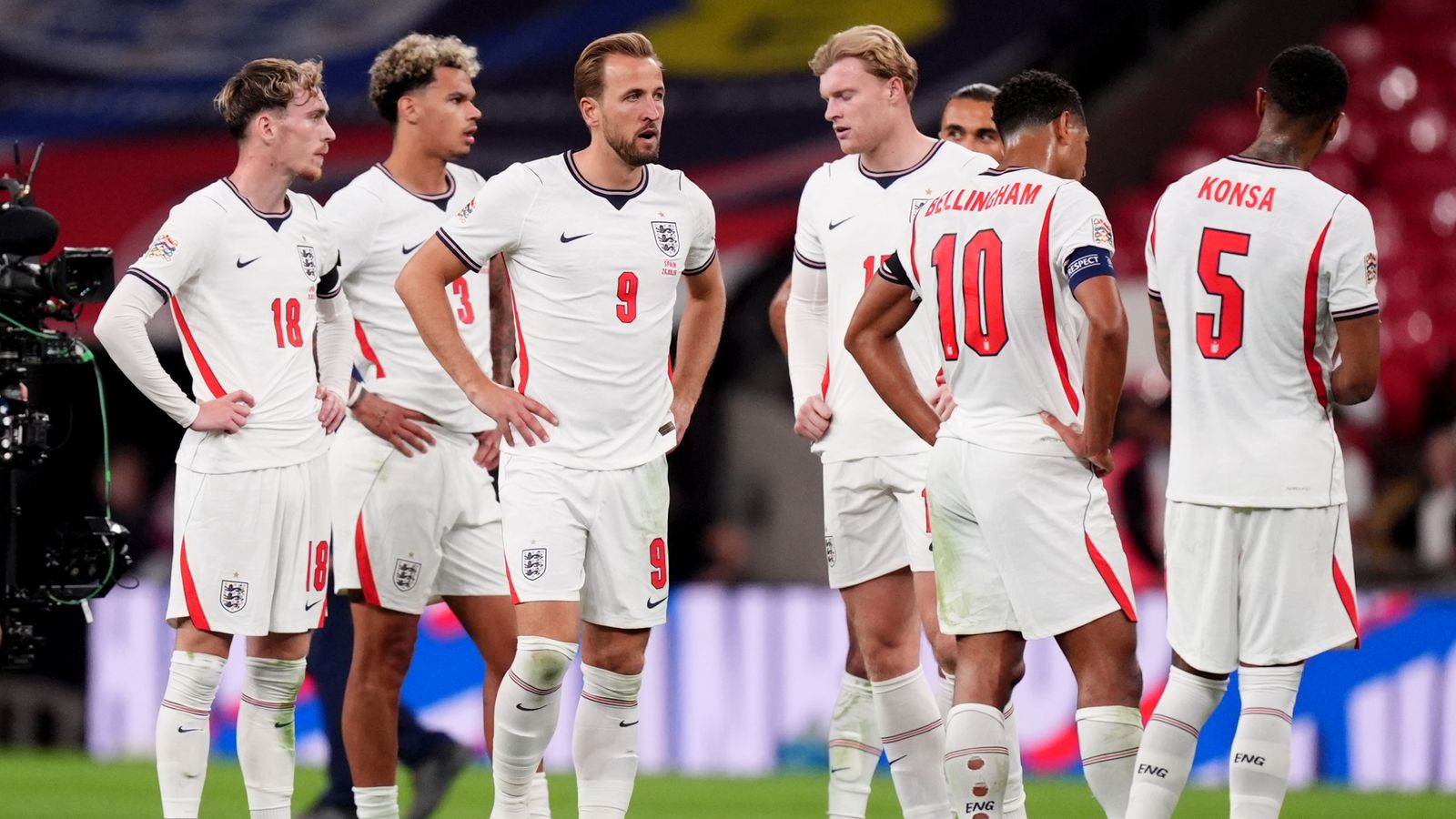
Look at the midfield options currently stackable in England's squad. You have Declan Rice anchoring the base, Elliot Anderson floating between lines, Myles Lewis-Skelly driving forward from deep, and Adam Wharton orchestrating play with surgical precision.
Where does Henderson fit into that unit? Unless four midfielders contract food poisoning at the team hotel, there is no logical opening left for him on the pitch.
As Football365 noted in their match breakdown, the contrast between Scott's forward drive and England's old midfield style was night and day. Every time Scott received the ball off the center-backs, his first glance was twenty yards upfield.
Here is what the new midfield rotation brings to England that the old regime lacked:
- Immediate vertical passes that puncture defensive blocks on the first touch rather than recycling wide.
- Aggressive counter-pressing mobility that smothers opposition counterattacks before they cross the halfway line.
- Seamless positional swapping between deep playmakers and box-to-box ball carriers.
- Fearless ball retention under heavy pressure in central areas without defaulting to safe backward passes.
During the sequence that led to England's third goal against Croatia, Scott received a fiery pass under heavy pressure from two opponents. Instead of taking the easy exit route backward, he feathered a soft touch past the first defender, spun into space, and slipped a disguised ball straight into the penalty box.
That single moment of composure demonstrated everything England fans have been begging for over the last five years. It was direct, technical football played at top speed.
The Death of Sentimental Selection
English football has a long, painful history of holding onto stars way past their sell-by dates. We watched managers try to force Steven Gerrard and Frank Lampard into the same two-man midfield for a decade, ignoring basic tactical geometry because neither could be benched.
We watched Paul Scholes get pushed out to the left wing in 2004 just to accommodate bigger names who were less suited to the role. Sentimentality has been the anchor dragging English football down at major tournaments for a quarter of a century.
Leaving Henderson out of the squad for this October 2026 international window was a sharp statement from Tuchel. It signalled that reputation alone will no longer guarantee you a seat on the plane.
Scott's performance against Croatia did not just confirm Tuchel's decision; it locked the door and threw away the key. You cannot look an entire squad in the eye and talk about meritocracy if you demote a kid after a performance like that to bring back a veteran who cannot match the speed of play.
Henderson had a memorable run in the shirt, and his dedication to the national team should be respected. He was a central figure during England's run to the Euro 2020 final and played a key role in restoring pride to the national team setup.
However, elite sports is brutally unsentimental. When a faster, sharper alternative emerges, the game moves on without asking for permission.
Welcome to the New Era
The 7-0 victory against Croatia was not just another routine qualifier; it was a loud declaration of intent from a national team shedding its old baggage. England played with a swagger and freedom that had been missing during the tenser spells of recent years.
Alex Scott gave Three Lions fans a glimpse of what a modern, fearless midfield looks like when players are picked on form rather than name value. He played without fear, without hesitation, and without the weight of past tournament failures holding him back.
Jordan Henderson's international career had a long run, but that chapter is officially closed. The book has been shut, locked in the vault, and replaced by a brand new manual written by the next generation.
So raise a glass, toast the 91 caps, and then turn around to face the pitch. The Alex Scott era in England's midfield has officially arrived, and it is going to be one hell of a ride.
Read Next
- Thomas Tuchel thinks conceding 9 goals in 3 games is totally fine
- England's 7-0 demolition of Croatia shows how terrifying Bellingham has become
- Why Thomas Tuchel's England will sweep Croatia and Czechia to reach the quarters
- Tuchel's depleted England face Spain test in FIFA's new autumn window
- 🏴 England World Cup 2026 — Three Lions Hub