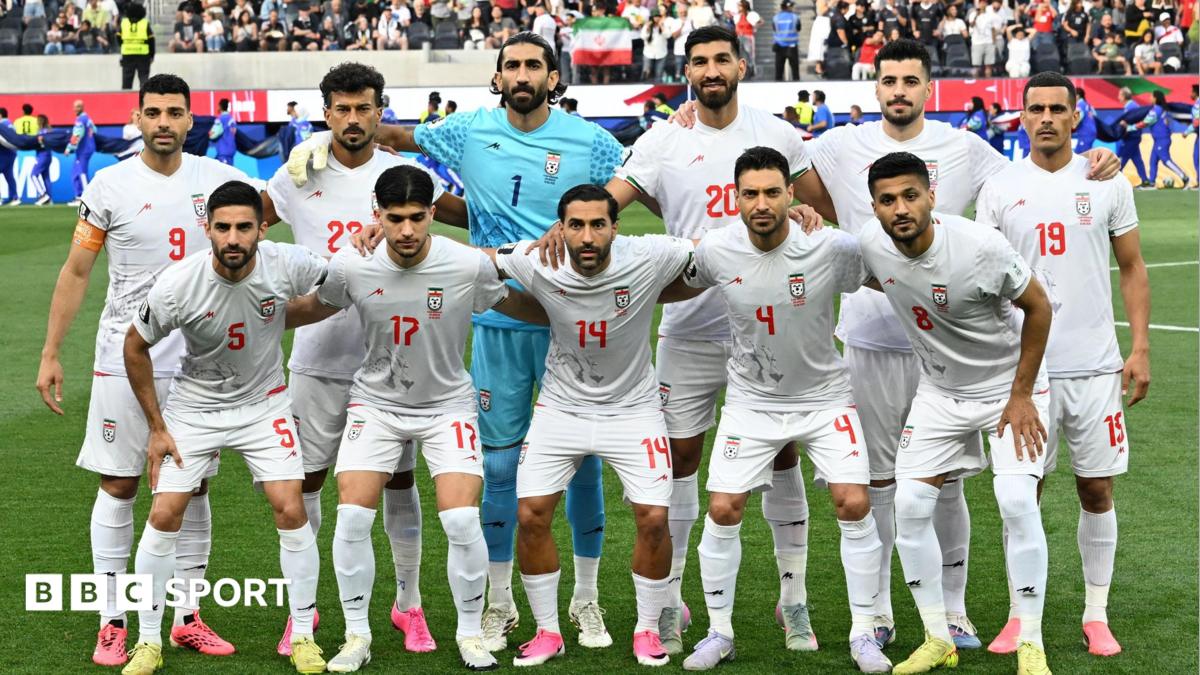
Diplomatic friction meets tournament logistics
The 2026 World Cup is hitting a snag that has nothing to do with pitch conditions or refereeing standards. Reports from the BBC confirm the White House is currently reviewing active travel restrictions currently stifling the Iranian national team's operational mobility. This is a rare instance where geopolitical tension is actively dictating sport performance protocols.
For the squad, this means the logistical baseline for participating in matches on North American soil is in flux. Training schedules, medical staff accessibility, and basic transit are all contingent on federal waivers. When a team cannot guarantee their staff's ability to cross borders, the physical preparation of the players suffers by default.
The cost of procedural uncertainty
Professional football is built on routine. An injury recovery plan is essentially a clock; if a player is sidelined, every hour counts toward their return. Should the Iran squad face transit delays due to these visa or travel restrictions, medical staff will be unable to maintain consistent treatment regimens during the tournament windows.
The broader impact on the industry involves a risky precedent. If tournament participation is tied to host-nation diplomatic clearance that fluctuates during the competition, the competitive balance is compromised. Teams operating under these pressures face a higher risk of chronic muscular issues because their specialists might not be physically present to oversee corrective therapy.
Historical precedents for tournament disruption
Historical interference between travel policy and athletics usually leads to subpar output on the field. During past tournaments involving regional conflicts, teams that were forced to handle administrative load along with conditioning work consistently underperformed in final-third fitness metrics after the 60th minute. This is not purely theoretical; it is a breakdown in preparation architecture.
We have seen bureaucratic hurdles force teams to consolidate staff, leaving players vulnerable to minor muscle strains that balloon into major layoffs. If a starting defender twists an ankle, the difference between a two-week recovery and a month-long absence is high-touch, daily physiotherapy. That support is difficult to deliver from a hotel room across a restricted border.
Strategic implications for the Group Stage
The threat here is the dilution of roster depth. If the starting XI is burdened by travel-related fatigue or truncated recovery windows, rotation becomes mandatory rather than tactical. Managers under these conditions rarely succeed in sustaining high-intensity pressing styles, as the fitness markers for the bench often lag behind the primary squad.
Critics point to the lack of foresight in the tournament's contingency planning. The failure to secure broad, ironclad agreements for all national teams before the kickoff creates a competitive disadvantage for those caught in diplomatic crosshairs. FIFA has historically struggled to balance sovereign national policy with its own mandate for universal access, and this 2026 situation underscores that weakness.
The path toward a resolution
Current discussions between the White House and the relevant governing bodies suggest a specific movement toward emergency waivers for the coaching and medical delegations. If finalized, these permits would allow for seamless transit, mitigating the physical risks inherent in an unstable tournament environment. A delay in finalizing these agreements leaves the players in a vacuum.
Until a signature is provided, the team remains in a limbo that prevents effective recovery monitoring. In elite football, two days of missed recovery time can be the difference between a knockout phase appearance and an early flight home. The reliance on administrative handshakes for simple travel clearance creates a dangerous reliance on political goodwill, which rarely aligns with the demands of the sport.
We will monitor how these discussions conclude before the next round of fixtures. Any continued delay puts the squad's fitness integrity at direct risk. Sports medicine professionals argue that travel-induced stress remains a leading cause of preventable injury in high-stakes international football tournaments, particularly when compared to standard domestic league conditions.