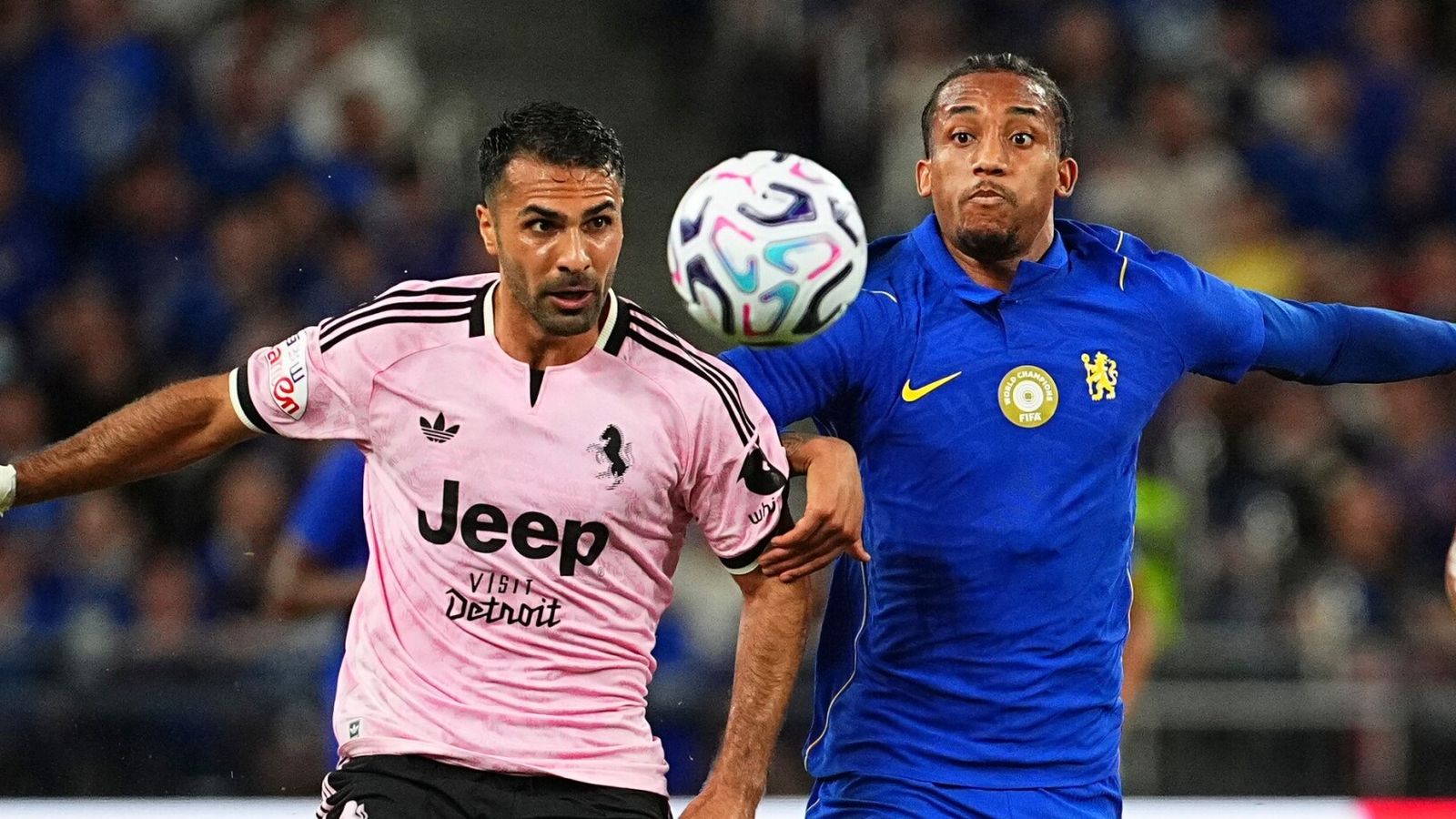
The end of goal difference supremacy
FIFA has officially confirmed a significant shift in tournament structure for the upcoming 2026 World Cup. When teams finish the group stage tied on points, officials will no longer look at goal difference as the primary tiebreaker. Instead, head-to-head records now sit at the top of the criteria hierarchy.
This marks a clean break from the traditional reliance on goal margins, a format that often rewarded teams for running up scores against the weakest opponent in a group. By prioritizing direct results, the governing body is clearly angling to heighten the stakes of individual games. If you beat your rival in the head-to-head match, you now hold the distinct advantage regardless of your overall offensive output against other nations.
Why this changes the matchday math
The technical shift necessitates a total rethinking of how managers approach the final round of group fixtures. Under the old system, a team needing a specific margin of victory to overcome a goal difference deficit would often play aggressively until the final whistle. Now, the emphasis shifts toward individual match results.
As reported by the BBC, this change effectively places a premium on head-to-head performance during the initial three-game block. It removes the mathematical safety net that previously allowed teams to navigate groups by calculating the exact goal difference required across three matches to qualify for the knockout stage.
The strategic risk of the new format
Critics might point to the potential for stagnation in fixture conclusions. If the head-to-head result is already banked, teams might find themselves in a position where they cannot improve their standing against a tied opponent regardless of the goals they score in a dead-rubber final group game. This could lead to a drop in competitive intensity during closing matches.
There is also the question of fairness regarding strength of schedule. If two teams finish on identical points and drew their head-to-head encounter, we eventually cascade down to other secondary metrics. The goal difference is not completely removed—it merely moves down the list, acting as a secondary or tertiary sorting mechanism.
Managers will now be forced to prep for specific opponents with a heightened focus on direct victory. Defensive collapses in a single game become significantly more damaging to a side's tournament progression. The margin for error in a 90-minute clash has shrunk, and that puts immense pressure on tactical adjustments in real-time.
Where it fits in the tournament structure
The move comes as FIFA prepares for the largest iteration of the competition yet. With more teams participating, the need to streamline qualification and prevent potential scenario-gaming is high. By prioritizing the head-to-head result, FIFA claims it streamlines the process for fans to follow, removing the need for 0.5 or 1.5 decimal points of goal difference comparisons in the closing minutes of a broadcast.
It remains a gamble on viewer experience. While the transparency of a clear win-loss record is easier to track, some pundits argue that goal difference serves as a better measure of a team’s overall dominance throughout the group phase. It rewards the high-scoring teams and penalizes those who play for 1-0 results.
The change also simplifies the tie-breaking process for the casual viewer who may not follow the intricate math usually required to determine group winners. If team A beats team B, they are ahead in the standings as long as they stay level on points. It is a straightforward, logical progression that removes the mystery from the table standings.
However, we have to consider the scenario where two teams draw their head-to-head and both win/lose against the remaining two opponents. In that instance, the old metrics return to the fray. It is not a complete abandonment of traditional statistics; it is simply a realignment of priorities for the men in the suits at FIFA.
We will see if this actually discourages teams from playing for draws. If a team knows their opponent is statistically superior in the deeper metrics, they might play for a draw to reach a final day showdown with hopes of shifting the head-to-head. There are always ways to exploit new regulations, and rest assured, the top nations are likely already modeling the specific scenarios that could arise from this update.
This rule change creates a more direct narrative for every fixture. Every match now functions as its own miniature tournament, with the head-to-head record serving as the ultimate reward. It is a win for those who value direct competition over statistical variance and a loss for statisticians who enjoyed the complex, multi-layered sorting processes of the past.
Ultimately, the quality of refereeing and the ability of players to execute under pressure will matter far more than the tiebreaking order. We are months away from seeing the first implementation of this ruling under the bright lights on the biggest stage. Only the results on the pitch will decide if this was a necessary cleanup or an unnecessary complication.