The cost of silence in the national anthem
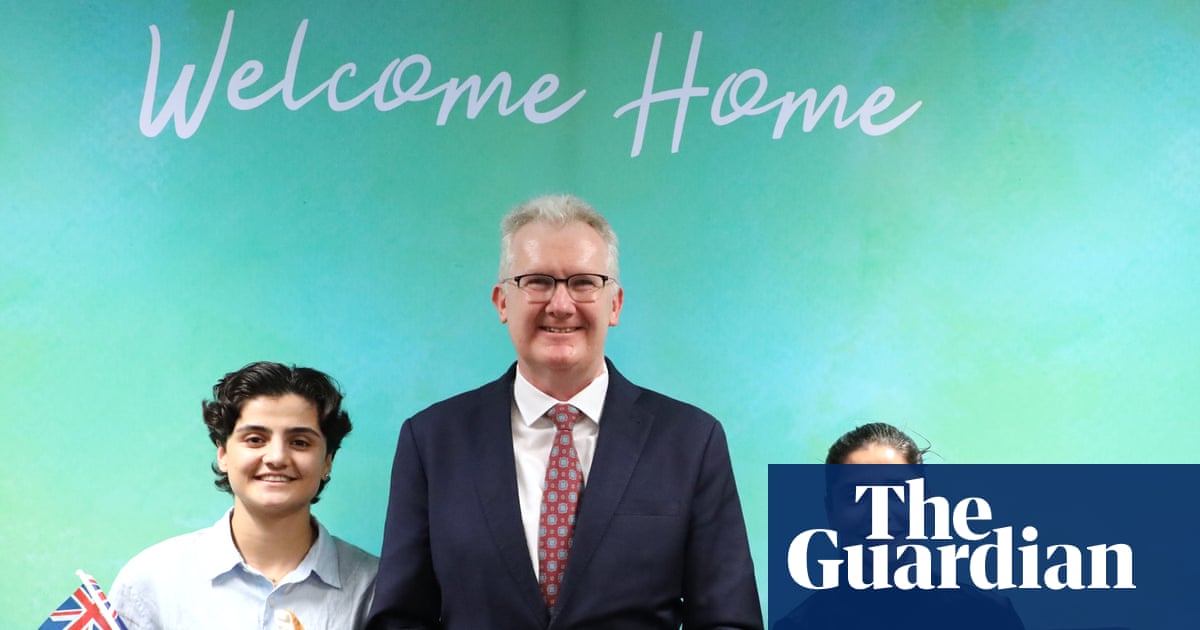
Two former Iranian international footballers officially became Australian citizens today. This follows a high-profile move where the pair stayed in the country after the Asian Cup back in March. Their decision to remain in Australia stems from a refusal to sing the Iranian national anthem during tournament play. The resulting fallout back home saw them branded as traitors by state-aligned media outlets.
This case is a stark reminder of the intersection between professional football and state politics. Athletes operating under authoritarian regimes often find their personal conscience in direct conflict with their national obligations. By choosing to stay, these players have essentially ended their international careers for Iran. They have traded the security of state-sanctioned athletic status for the uncertainty of political asylum.
The shifting reality of international eligibility
The Australian government's move to grant citizenship creates a complex ripple effect for the Matildas and the broader A-League circuit. While these players are clearly talented, the transition from high-level tournament play to active club registration involves massive bureaucratic hurdles. FIFA eligibility rules are notoriously rigid, and a change in citizenship does not automatically grant a green light for competitive participation in a new federation.
Technical analysts watching the A-League development squads should be skeptical about immediate roster impacts. The asylum process creates a prolonged period of inactivity that degrades match sharpness. Even with elite pedigree, professional performance requires consistent game time, which these two have not had since March. Their conditioning will be under the microscope if any local club makes a move to sign them.
Why this matters beyond the pitch
This situation is more than a simple human interest story. It highlights the vulnerability of female athletes in nations where the sporting identity is used as a tool for regime propaganda. When players stop participating in the rituals of statehood, the regime reacts with immediate, aggressive labeling. It is a punitive system that relies on fear to maintain compliance on the field.
The move to Australia will likely lead to calls for increased protections for athletes seeking refuge through sport. However, the logistical reality is harsh. These players have successfully navigated the legal path to citizenship, but they face a steeper climb to reclaim their professional stature. They will need to prove that their skill sets remain at a competitive 90th percentile level to justify a spot in a top-tier roster.
What to watch for
Keep an eye on the upcoming transfer windows. If an A-League club signs either player, expect a massive influx of media coverage that could distract from the team's tactical execution. Clubs rarely handle the baggage of high-profile political refugees with grace. Any drop in performance will be unfairly attributed to the politics surrounding them rather than the simple reality of a long layoff.
Predicting their success is a gamble. Given the lack of competitive minutes and the immense psychological pressure of their transition, they likely will not provide an immediate impact. I expect them to struggle for at least six months before they find their form. If they do find their feet, it will be in spite of the administrative circus, not because of it.
Read Next
- Salah’s move to Trabzonspor is a tactical gamble
- Premier League breakout candidates to track this weekend
- Top 10: The Two-Way Dilemmas and Two-Step gambits Shaping Football in 2026
- Top 10: Most Decisive Football Moments of the Modern Era
- 🇮🇷 Iran World Cup 2026 — Team Melli Hub
- 🇦🇺 Australia World Cup 2026 — Socceroos Hub