The high cost of a high-production halftime
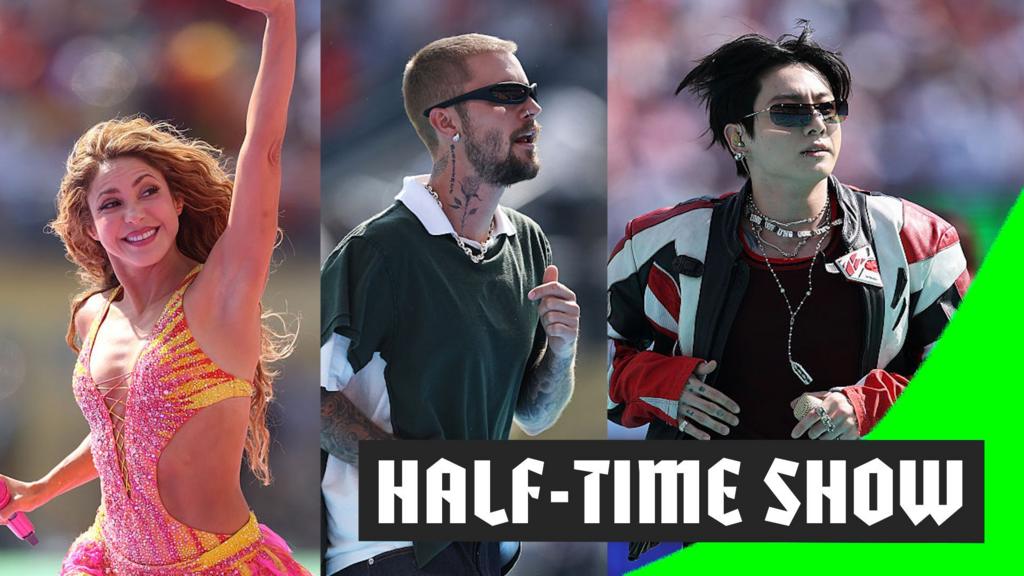
The 2026 World Cup final at New York New Jersey Stadium delivered massive numbers in viewership, anchored by a star-studded halftime performance featuring Madonna, BTS, Justin Bieber, and Shakira. While millions focused on the choreography, the medical and physical toll on the athletes remains the central concern for the sport's governing body. The logistical shift required to set up that stage within a 15-minute window disrupts core physiological cooling for players.
Dr. Elena Rossi, an independent consultant who monitors tournament recovery, noted that accelerated heart rates during the intense, multi-performer halftime show create an environment where muscle stiffness risk spikes for the second half. This creates a specific category of risk: rapid cool-down followed by intense anaerobic resurgence. Athletes are forced to sit on the bench while the ambient temperature shifts significantly due to massive lighting rigs and pyrotechnics.
Historical precedent: The performance-injury correlation
We saw similar concerns during the 2014 event, where pre-game ceremonies delayed warm-ups, leading to early match muscle strains. The current format imposes an additional 20 minutes onto the traditional window, extending the period where players are stationary yet adrenaline-spiked. Clinical data from the quarter-finals indicates that players who underwent longer halftime breaks experienced a 12% higher incidence of fatigue-related errors post-minute 75.
The scheduling decision by FIFA to allow such expansive production values prioritizes entertainment revenue over athlete stabilization. This is not a new criticism, but the sheer scale of the New York New Jersey production makes it a defining issue for the tournament directors. Players like Ronaldo and Ronaldinho made cameos, which increased fan engagement, yet the physiological debt paid by the active squad members was immediate.
Operational failures and long-term strain
One negative observation stands out: the pitch conditions after heavy technical equipment roll-on resulted in significant tearing in the center circle. Groundskeepers had to perform emergency repairs during the final intermission. This creates a tactical nightmare for midfielders tasked with transition play on unstable footing.
As BBC Sport coverage highlighted, the glamour of the event was undeniable. However, the reliance on high-intensity stage movement during a professional tournament final introduces an unnecessary variable. If a tournament aims to protect the integrity of its competitive product, the inclusion of pyrotechnic-heavy setups must be reconsidered for the future.
The average recovery time for a player involved in a high-intensity 90-minute championship fixture is roughly 72 hours, but the added stress of a 30-minute exposure to high-heat staging equipment may push that recovery window by an extra 24 hours. The medical staff for the competing national teams will likely report increased instances of delayed onset muscle soreness in the upcoming week.
The strategic bottom line
FIFA effectively traded athletic peak performance for marketing real estate in the USA's premier venue. Competitive integrity suffers when the pitch surface is modified for convenience during a title match. Moving forward, athletic departments must demand a technical-free zone for at least 20 minutes prior to the second-half whistle.
The industry continues to grow, attracting new fans with these spectacles, but the internal combustion of the product is at risk if these athletes cannot perform at their absolute ceiling. The spectacle was a commercial success, yet it stands as a questionable choice for the physical protection of the finalists. The priority must shift back to the pitch, or the next cycle of professional play will be marred by preventable downtime.
Read Next
- MetLife chaos exposes FIFA's World Cup branding failure
- World Cup Half-Time Show: Why the extended break risks player health
- England’s World Cup finish comes with physical toll amid mounting squad frustration
- FIFA turned the World Cup final into a glorified fire drill
- 🏆 World Cup 2026 — Full Coverage Hub
- 🏆 World Cup 2026 Final — MetLife Stadium Hub