Air quality crisis hits MetLife Stadium
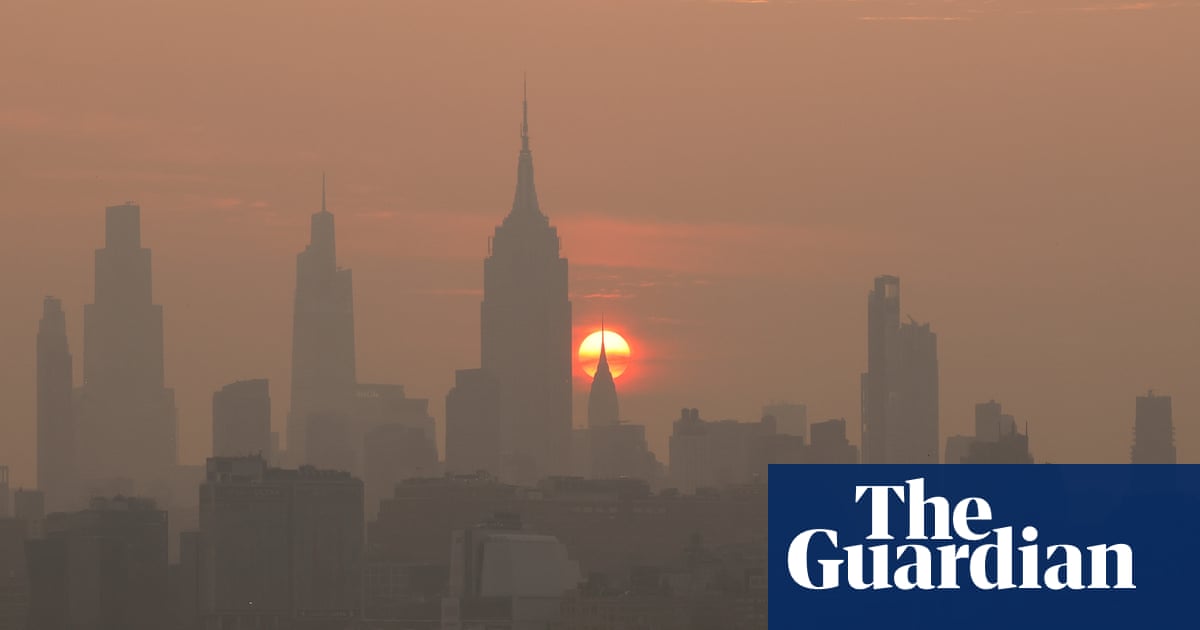
New York is currently battling a severe environmental challenge that threatens the logistics of the 2026 World Cup final. Heavy smoke from regional wildfires has blanketed the eastern seaboard, creating hazardous respiratory conditions for athletes and staff. FIFA officials are closely monitoring air quality indices, which have reached levels that could force a suspension of outdoor activities if trends continue through match day.
Medical teams represent the front line of this issue. Sports cardiologists and respiratory specialists note that high-intensity exertion in sub-standard air directly impacts oxygen saturation. Players are already operating at the edge of their physiological capacities. Adding particulate matter into an environment where human respiration spikes to 150-180 beats per minute creates a genuine safety risk.
Transport and security bottlenecks
Beyond the lungs, the legs and logistics are suffering. Transport infrastructure around the New Jersey venue is reaching its breaking point under the pressure of global media and fan flow. The combination of intense transit demand and the increased security presence required by the presence of the United States President complicates every movement for the squads.
Reports indicate that teams may face delayed arrivals at the stadium on the day of the match. Such delays ruin the meticulously planned pre-game physical preparation windows. When a professional athlete sits on a bus for three hours instead of undergoing active warm-ups, the risk of soft-tissue or muscle injuries spikes due to inactivity followed by immediate, explosive exertion.
Tactical and medical implications
Historical comparison provides context for these complications. During international tournaments held in areas with poor atmospheric conditions, we have documented increases in calf strains and hamstring fatigue. These injuries often occur late in the second half or during potential extra time. The body, struggling with heat and air quality, struggles to maintain electrolyte balance and muscle elasticity.
If the final descends into a marathon session with extra time, the medical staff will be under extreme scrutiny. Teams rely on precise hydration and cooling protocols. When those protocols fail due to external chaos, the game itself suffers. We have seen The Guardian report that the intensity of this security overlap could fundamentally alter how teams approach their warm-ups.
The organizational failure
The decision to host the final in a major hub already prone to intense transit congestion remains questionable. Planners overestimated the capability of current transport systems to handle the specific security requirements of a high-profile political visitor. The result is a tightening window for player welfare.
This is not a purely clinical failure, but an administrative one. Medical staff are forced to operate within an environment they cannot control. Coaches must decide whether to expedite rotations to avoid fatigue or keep their stars on the field in a haze of smoke. Every minute spent in sub-optimal conditions increases the likelihood of a late-match collapse in form or physical capability.
The standard operating procedure calls for a controlled environment for players 48 hours prior to kickoff. With civil travel infrastructure currently in disarray from smoke-induced delays, that environment is theoretically impossible to maintain. If a star player suffers a non-contact injury after a delayed arrival, the blame will point directly to tournament organizers, not the team medical staff.
This scenario underscores a recurring problem in modern mega-events. FIFA focuses on the commercial capacity of the venue while ignoring the functional reality of getting professional athletes from their base to the pitch. The 90,000 fans may fill the seats, but the physical integrity of the match rests on the ability of staff to navigate a city that is currently struggling to breathe under the weight of fire and political activity.
Read Next
- FIFA scrambling at White House as wildfire smoke threatens World Cup final
- Lionel Messi's chronic ankle strain casts shadow over Argentina training
- Messi vs. Lamine Yamal: The strangest World Cup final in history
- World Cup fatigue is hitting transfer talk hard
- 🏆 World Cup 2026 — Full Coverage Hub
- 🏆 World Cup 2026 Final — MetLife Stadium Hub