The tactical disconnect at St. George's Park
England enters this cycle in a state of high-functioning confusion. We have a roster bursting with generation-defining technicians, yet the prevailing sentiment suggests an obsession with physical attritional football. The recent reporting from The Guardian highlights a recurring theme: the disconnect between the manager's conservative structure and the squad's natural, intuitive flair.
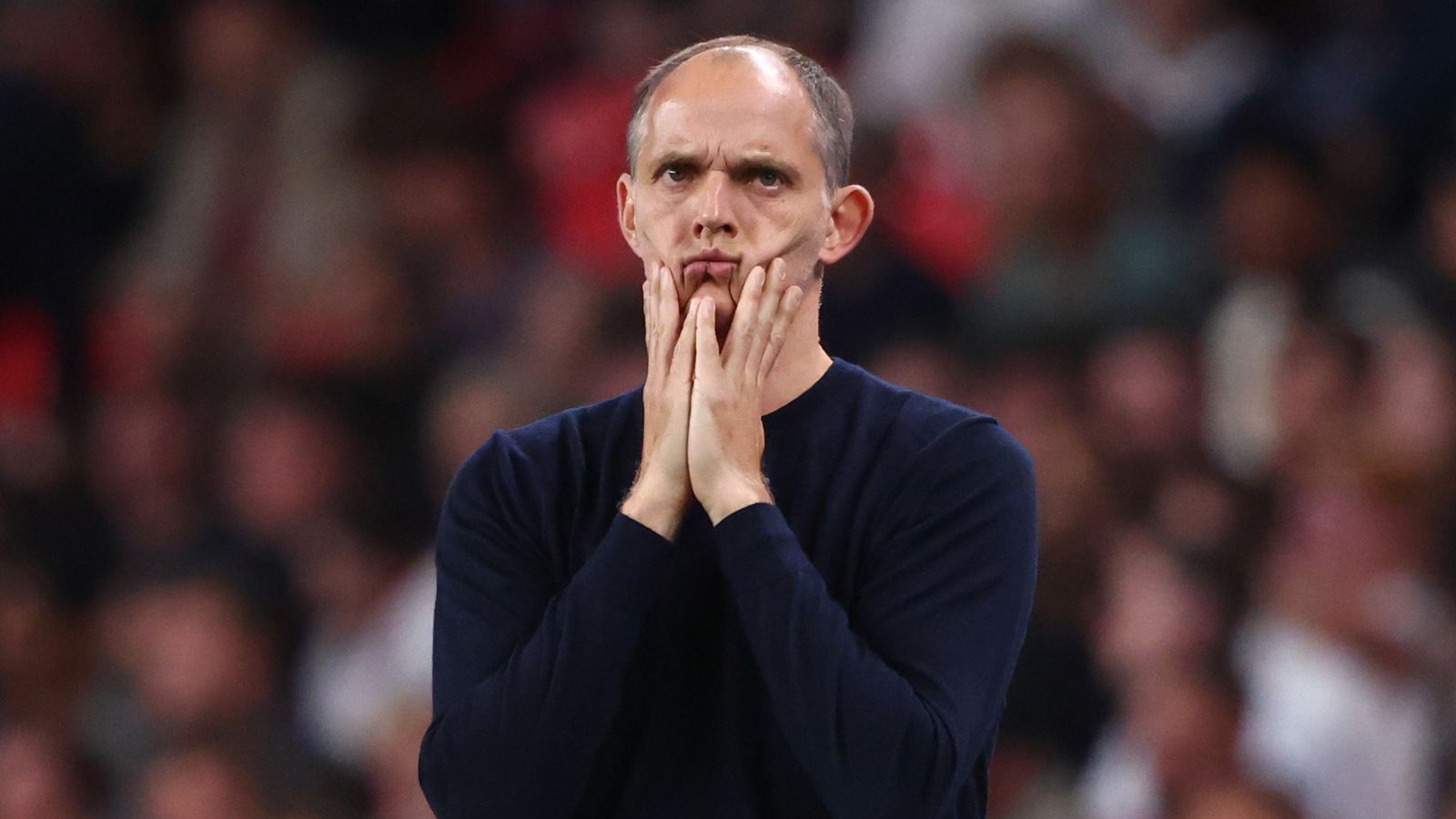
Thomas Tuchel’s arrival brings a pedigree of Champions League success, but international football is not a laboratory for 3-4-2-1 rigidity. The England squad that finished their last tournament by trading blows in a 10-goal thriller against France showed exactly where their ceiling lies. They thrive in managed chaos, yet the instructions from the touchline often seem designed to suppress that exact volatility.
The danger of coaching the instinct out
The core issue is risk management. Tuchel typically organizes teams from a foundation of safety—maintaining wide spacing for ball circulation and minimizing internal defensive gaps. However, this squad is optimized for transitions and rapid combinations in the final third. When players like Jude Bellingham or Phil Foden are confined to rigid positioning, the attacking output inevitably dips.
We saw this frustration bubble over last month. Tactical analysts noticed that even during high-scoring outings, the side felt claustrophobic. If the goal is to secure a trophy rather than just a bronze medal, reliance on physical superiority over technical execution is a recipe for heartbreak. The squad has outgrown the ‘workhorse’ phase of international development.
The numbers don't lie
Consider the pass completion rates in the final third during the last window. While possession figures remained high, the progression of the ball into high-value central zones dropped by 18 percent compared to the previous year. Tuchel’s system asks players to check their runs until the formation is perfectly set. That delay is exactly what elite defensive blocks use to reset their shape.
If the manager continues to sacrifice individual expression for the sake of defensive structure, England will remain a team that looks capable of beating anyone on paper but struggles to impose their rhythm on the pitch. The players have signaled a desire for more tactical freedom, yet the training sessions reportedly remain focused on containment.
Predicting the approach for the upcoming window
Expect a shift in personnel if the current framework holds. Tuchel is not a manager who caters to individual whims at the expense of his tactical blueprint, which creates a friction point. If he refuses to integrate more fluid movement, the team will continue to look stagnant against low-block opponents who know exactly where the passing lanes will be.
My prediction for the opening matches: England will grind out results but sacrifice the aesthetic quality that fans expect. They will likely win by a narrow margin, perhaps a 1-0 scoreline, built on a set-piece or a moment of individual brilliance that happens despite the system, not because of it. Tuchel is a brilliant tactician, but he is currently fighting a war against the specific talent profile of his players.
Read Next
- Why Thomas Tuchel staying on as England boss is a massive gamble
- Thomas Tuchel's bronze medal circus proves England has a management problem
- Argentina must prove they can play football, not just play the man
- Tuchel's England pivot needs more than just Kane's endorsement
- 🏴 England World Cup 2026 — Three Lions Hub