Tactical geometry under the new regime
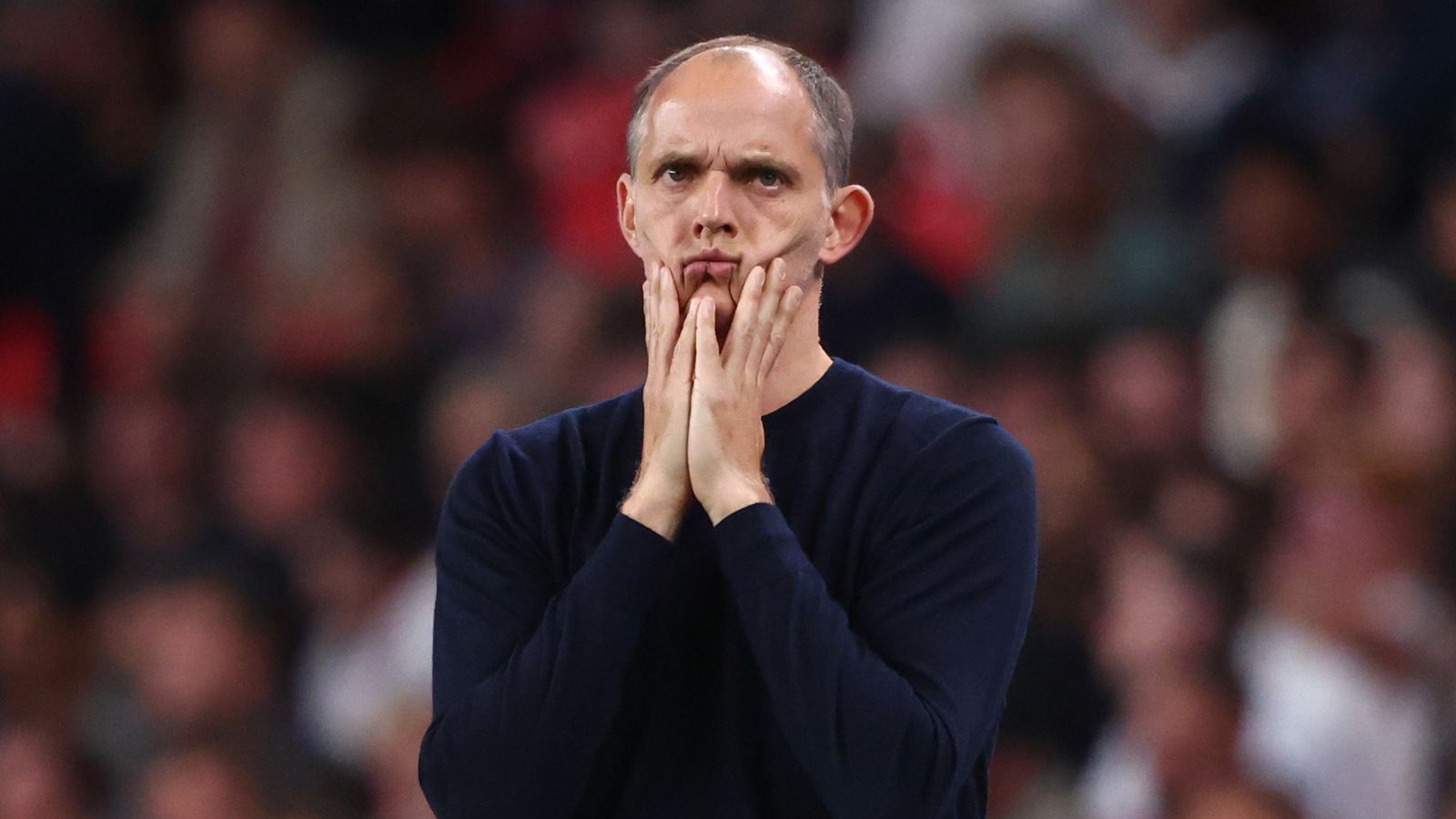
Harry Kane backing Thomas Tuchel as the new England head coach is the expected public stance, but the real question is how the manager reconciles his rigid structural demands with this current player pool. Tuchel historically favors a 3-4-2-1 formation that prioritizes controlled transitions and narrow spacing between the lines.
This requires wing-backs capable of providing immediate width while the two central midfielders dictate the tempo. If the defensive screen is not perfectly calibrated, England will find themselves exposed during counter-attacks, a recurring issue that plagued previous tournament runs. Tuchel needs to prove he can adapt his tactical blueprint to avoid the stagnation often associated with his high-possession style.
The Kane factor in a high-pressing system
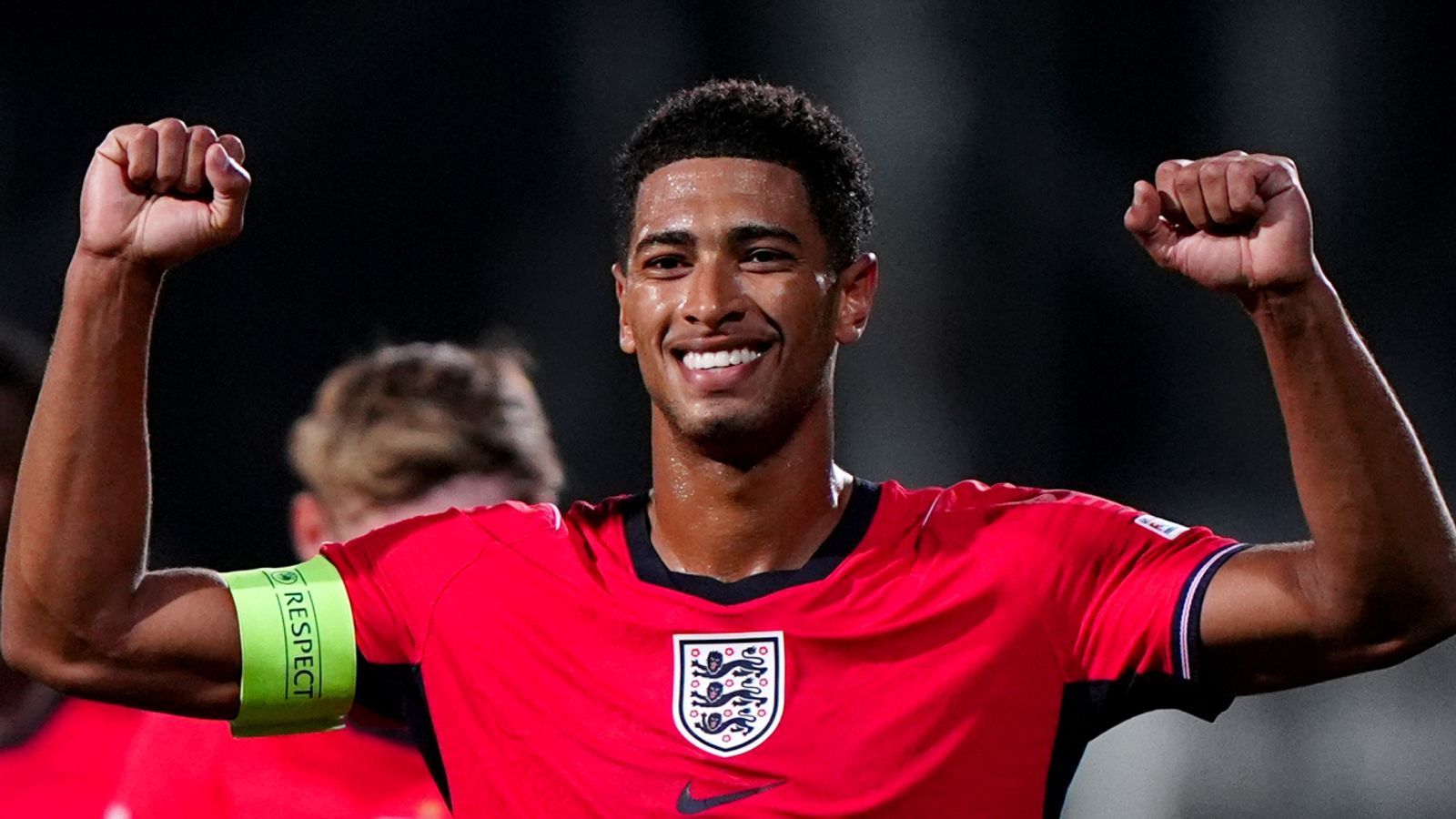
The core issue remains how the captain fits into a vertical pressing game. While he remains a world-class finisher, his mobility has decreased significantly in recent international cycles. Tuchel usually employs an aggressive high press where the striker functions as the first point of defensive disruption.
If Kane is tasked with closing down opposition center-backs for 90 minutes, the team will risk exhaustion by the 70th minute. Tuchel will likely need to shift from a high-intensity press to a mid-block shell to conserve energy. This compromise is dangerous at the international level where gaps between lines are punished instantly by high-quality midfields.
Predicting the early era
The noise around the 2030 World Cup is premature and serves as a distraction from the immediate tactical overhaul required. Tuchel must first solve the imbalance in the center of the pitch that left England vulnerable during their recent heartbreaks. He has a track record of winning trophies by tightening defensive rotations, which is precisely what this squad lacks.
Defense and midfield cohesion are the immediate priorities. I expect a shift away from individual brilliance toward a rigid, formation-based approach. The squad will become harder to beat but likely less exciting to watch for the casual observer.
- Defensive organization will replace high-risk wing play
- Midfield control will prioritize possession recycling over quick verticality
- The captaincy may see reduced minutes to accommodate tactical substitutions
Tuchel will deliver structural improvements, but the adjustment period will be rocky. Do not expect fluent attacking football in the upcoming qualifiers. Results will stay efficient, but the tactical shift will feel heavy-handed for the first six months. Expect a series of narrow wins built on defensive metrics rather than offensive flair.
Read Next
- England's chaotic bronze medal win exposes the limits of Thomas Tuchel
- Why Thomas Tuchel staying on as England boss is a massive gamble
- Spain just killed the superteam era and the internet needs to cope
- Spain's 1-0 win confirmed the grim reality of modern tournament football
- 🏴 England World Cup 2026 — Three Lions Hub