Exactly 116 seconds elapsed between Malik Tillman’s deflected equalizer in the 31st minute and Charles De Ketelaere’s second goal in the 33rd. In that window, the ball was in play for less than 60 seconds. This sequence did not just alter the scoreboard; it exposed the structural passivity of Mauricio Pochettino's defensive system.
The United States entered this Round of 16 match at Seattle’s Lumen Field riding the wave of an escape after FIFA lifted Folarin Balogun's suspension. Yet, that off-field drama has translated into a flat, reactive performance on the pitch. The Americans are chasing shadows in a game they were expected to contest with high intensity.
According to the live match updates on Sky Sports, the atmospheric pressure in the stadium did little to wake the host nation. Instead, Belgium’s possession play has dictated the rhythm from the opening whistle. Rudi Garcia’s tactical decisions have completely flummoxed the American coaching staff.
The pre-match coverage on Mirror Football highlighted the tactical challenges Pochettino would face in Seattle, and those predictions have been realized. The US defensive lines look disconnected from the midfield, allowing Belgium's attackers to operate with minimal interference. This disconnect was visible from the opening whistle.
The 116-Second Collapse in Seattle
De Ketelaere's Opening Salvo
The warning signs appeared long before the 9th minute when Belgium opened the scoring. Nicolas Raskin, operating on the right side of Belgium's midfield trio, found spaces behind Tyler Adams with ease. His low, diagonal pass sliced through the American lines, letting De Ketelaere slip past Tim Ream to slot home.
This opening goal reflected a systemic failure in the US defensive shape. The American midfielders failed to track the runs of Belgium’s advanced central players, leaving the backline exposed. Pochettino’s defensive block sat too deep, inviting pressure from a Belgian side missing its biggest stars.
The Fluke Equalizer and the Instant Reply
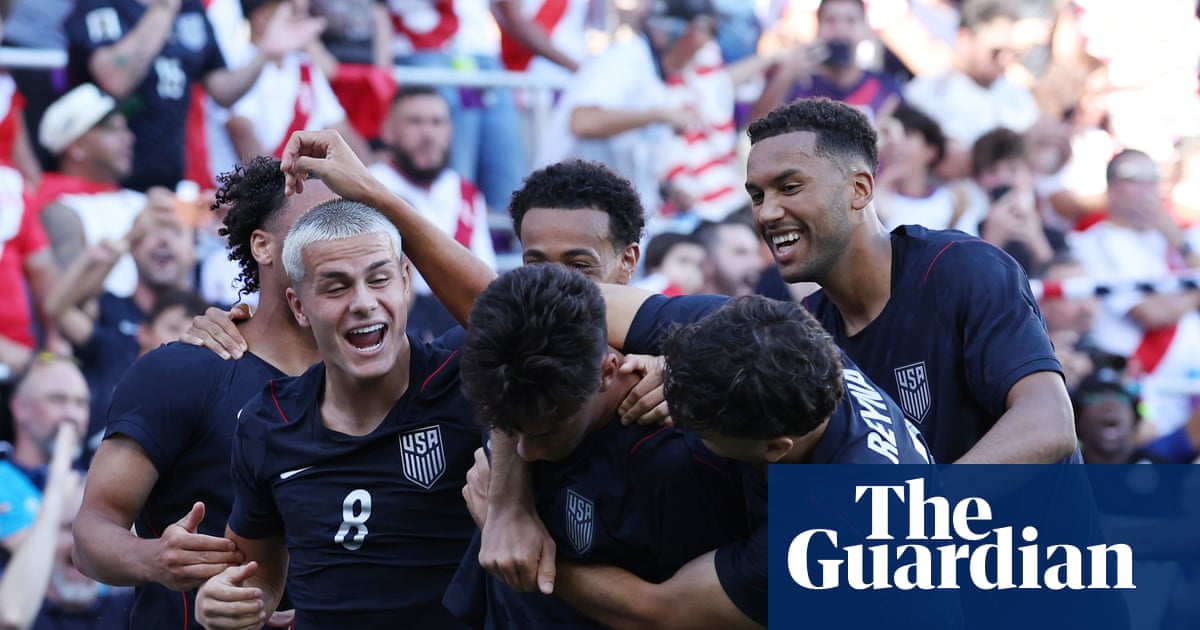
The US equalizer in the 31st minute was a moment of fortune that masked deeper tactical issues. Malik Tillman’s free kick from 25 yards out deflected off substitute Hans Vanaken, wrong-footing Thibaut Courtois to make it 1-1. It was the host nation's first shot on target, a statistical anomaly in a half dominated by Belgian possession.
Instead of capitalizing on this momentum, the Americans collapsed immediately from the kickoff. Leandro Trossard isolated Alex Freeman on the left flank, using a rapid burst of acceleration to gain a yard. His pinpoint cross found De Ketelaere at the back post for an easy tap-in.
The rapidity of the response shocked the Seattle crowd and highlighted the tactical drift of the American defense. In his post-goal commentary, Sky Sports' analyst Ron Walker summed up the defensive lapse:
116 seconds between those two goals. Less than a minute of the ball actually being in play. The USA found sleeping again.
This lack of concentration remains the defining feature of the US performance so far. This second goal, coming just two minutes after the equalizer, demonstrated the defensive fragility of the American right flank.
Freeman was left completely isolated without cover from Weston McKennie or Chris Richards. The lack of defensive communication was glaring, allowing Belgium to retake control before the celebrations had even died down.
Rudi Garcia's Midfield Blueprint
Benching the Icons
Before kickoff, the big story was Garcia's decision to name Kevin De Bruyne and Romelu Lukaku on the bench. Many analysts expected a drop in Belgium's attacking efficiency without their two most experienced talismanic figures. Instead, their absence has fostered a more dynamic, fluid passing structure that the US cannot contain.
With Youri Tielemans pulling the strings as captain, Belgium circulated the ball with rapid, short passes. Rather than looking for a direct outlet like Lukaku, the Red Devils used De Ketelaere's mobility to drag Richards and Ream out of position. The Atalanta forward’s movement created massive gaps in the central channels.
The Midfield Rotation After the Onana Injury
The match dynamic shifted again in the 21st minute when Amadou Onana went down with an injury. Garcia was forced to introduce Hans Vanaken, a substitution that initially looked like it might disrupt Belgium's defensive shield. Instead, Vanaken’s intelligence in possession helped Belgium maintain an astonishing 91% pass completion rate in the first half-hour.
Vanaken joined Tielemans and Raskin in a fluid rotation that completely bypassed Tyler Adams and Weston McKennie. The US midfield pair looked slow to react, consistently arriving late to challenges. This passivity was highlighted in the 36th minute when McKennie was booked for a late tackle on Raskin.
Analyzing the Structural Passivity
The High-Press Failure
The starkest statistical contrast lies in the pressing intensity of the two teams. Pochettino’s side has registered a defensive PPDA (Passes Per Defensive Action) of 18.2, a passive figure compared to their tournament average of 10.4. They are allowing Mechele and Ngoy to build play from the back without any pressure.
Folarin Balogun and Christian Pulisic have been completely isolated upfront, failing to trigger any coordinated press. They have combined for just four touches inside the Belgian penalty box in the first 40 minutes. The supply lines have been completely cut, leaving the American attackers starved of service.
This isolation is a direct consequence of the US midfield sitting too deep. Adams and McKennie are so occupied with tracking Raskin and Tielemans that they cannot support the press. As a result, the distance between the American forward line and midfield has stretched to over 30 yards.
The Freeman Dilemma
Alex Freeman's performance on the right side of the defense has been a major point of vulnerability. Trossard has targeted the young fullback, winning four of his five dribbles in the first half. Without proper defensive coverage from the midfield, Freeman has been repeatedly exposed in one-on-one situations.
This tactical deficit was clear on the second Belgian goal, where Freeman was caught flat-footed by Trossard's acceleration. The lack of cover from Richards was equally concerning, as the center-back failed to shift over to help. Pochettino must address this defensive coordination at halftime if the US is to stay in the match.
The contrast with the US team's previous matches is stark. In their 4-1 victory over Paraguay and the 2-0 win against Australia, the US dominated the transition phases with high-energy pressing. Tonight, they look like a team paralyzed by the occasion, unable to impose their physical style on a technical Belgian side.
To turn this match around, Pochettino must instruct his team to compress the space between the lines and increase their pressing intensity. The US cannot afford to let Tielemans and Vanaken dictate the tempo from deep areas. Bringing on fresh energy in midfield, perhaps Yunus Musah, could help restore the defensive bite that has been missing.
If the US remains this passive, Belgium will comfortably manage the game and advance to face Spain in the quarterfinals. The host nation must show more tactical courage and defensive discipline in the second half. The time for caution is over; the Americans must press forward or watch their World Cup dream end in Seattle.
Read Next
- USA and Belgium face a high-stakes tactical chess match in Seattle
- Spain face a tactical puzzle in Los Angeles after Dallas drama
- Trump calls and FIFA loopholes overshadow USA vs Belgium World Cup clash
- Spain's record-breaking defence is ready for the winner of USA vs Belgium
- 🏆 World Cup 2026 — Full Coverage Hub
- 🇺🇸 USMNT World Cup 2026 — Team USA Coverage Hub
- 🇧🇪 Belgium World Cup 2026 — Red Devils Hub
- ⚽ MLS 2026 Season Hub — World Cup Year Guide