Luis de la Fuente's Dallas Escape Room
Spain got away with one in Dallas. The raw numbers suggest dominance, but the reality on the pitch at Dallas Stadium was far more concerning for Luis de la Fuente. For ninety minutes, Spain rolled the ball from side to side, struggling to dismantle Portugal’s stubborn mid-block.
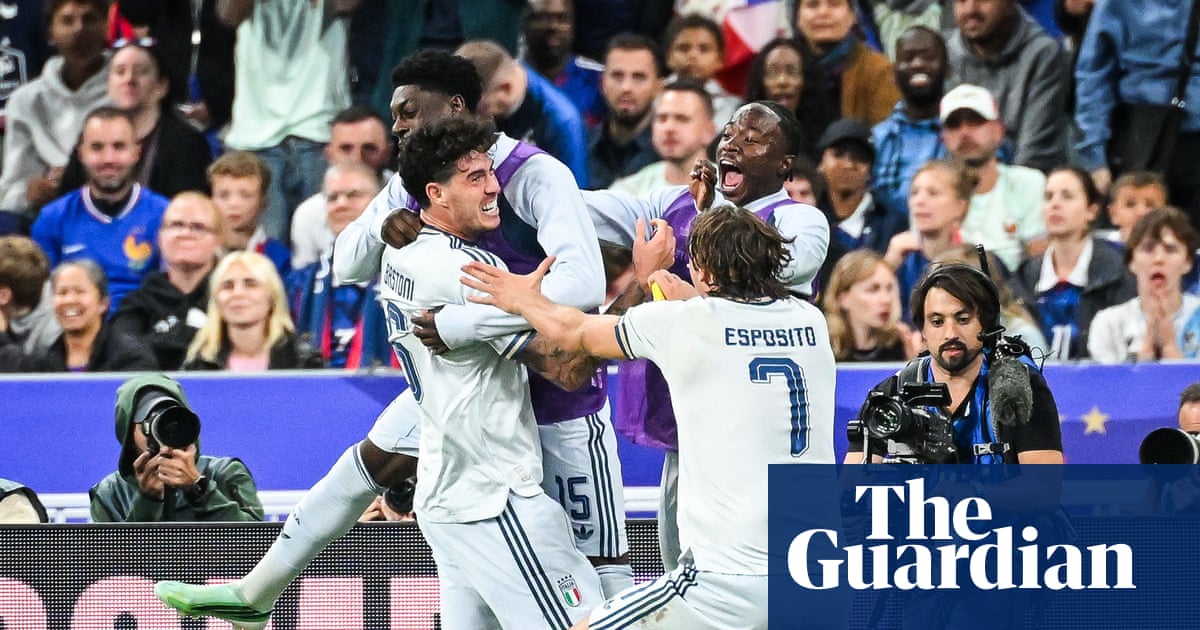
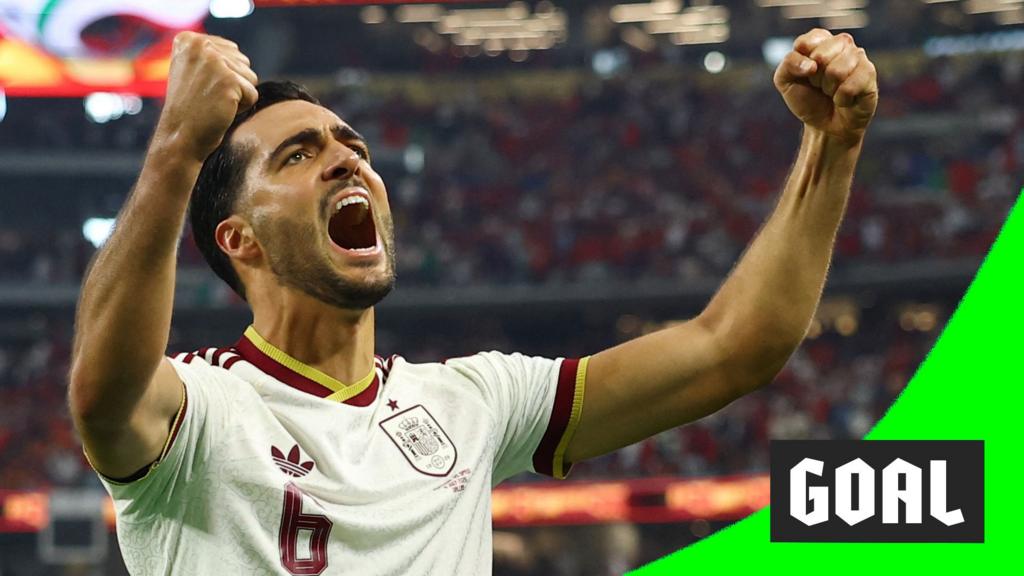
The breakthrough came in the 90+1 minute. It was not a product of intricate team play or tactical genius. Instead, it was a moment of sheer opportunism from substitute midfielder Mikel Merino.
As the BBC reported, Merino's added-time strike broke Portuguese hearts. For Spain, it was a fortunate ticket to the quarter-finals in Los Angeles.
The Midfield Stagnation
Yet, Spain cannot afford to celebrate this victory for too long. Their performance exposed major structural flaws in their possession game. Without direct runners to stretch the pitch, their build-up became slow and predictable.
The Left-Wing Conundrum
De la Fuente chose to start Álex Baena on the left wing instead of Nico Williams. This decision proved to be a tactical mistake. Baena naturally drifted inside, occupying the same central zones as Dani Olmo and Pedri.
This central congestion played directly into Roberto Martínez’s hands. Portugal’s back three of João Cancelo, Rúben Dias, and Renato Veiga had an easy afternoon. They simply squeezed the space between their lines, forcing Spain into harmless wide areas.
Spain finished the game with 62% possession. They generated 1.14 xG compared to Portugal's 0.78, but the bulk of their threat came in the final ten minutes. Prior to that, they struggled to test Diogo Costa.
Mikel Oyarzabal was completely isolated as the central striker. He completed only six passes in his seventy minutes on the pitch. He was a passenger in a system that starved him of service.
Only Lamine Yamal provided a spark of creativity. The teenager repeatedly tried to beat Nuno Mendes on the outside. But without support, his dribbles led to dead ends.
The Seattle Side-Show and the Balogun Circus
While Spain recovers, their next opponent is being decided in Seattle. The Round of 16 clash between the United States and Belgium is the talk of the tournament. However, the pre-match talk has been entirely dominated by off-pitch drama.
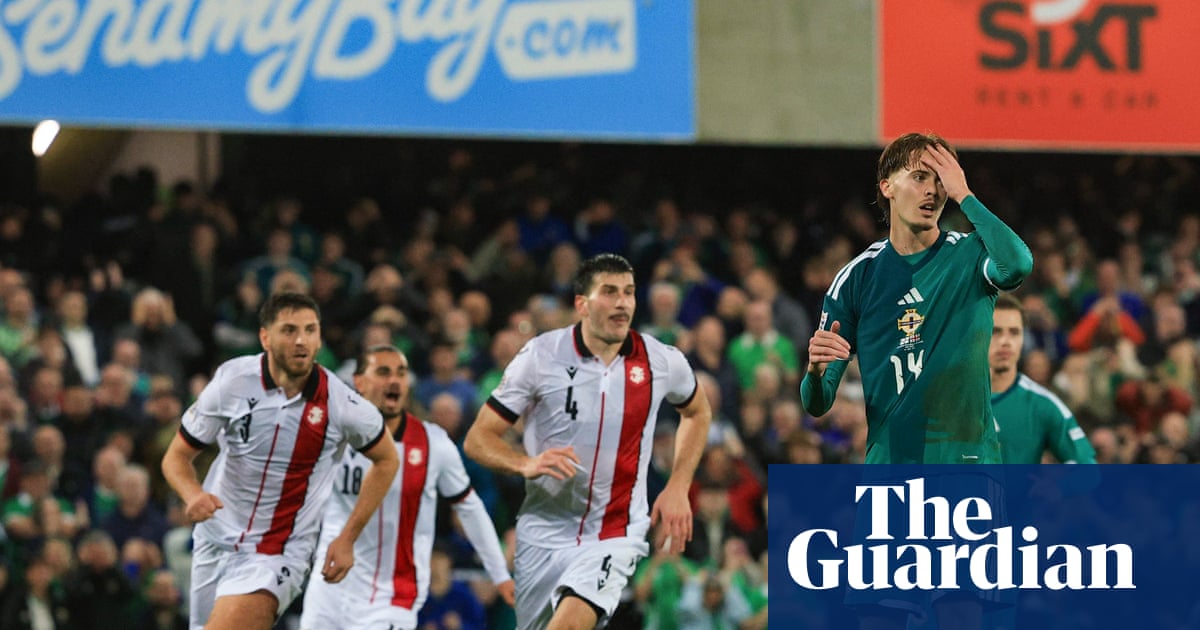
As The Guardian reported, Donald Trump contacted Infantino directly to discuss Folarin Balogun's red card. The striker had been sent off against Bosnia and Herzegovina. Under normal rules, he would have faced a mandatory suspension.
Instead, FIFA took the extraordinary step of suspending the ban. This decision has caused massive outrage across the football world. Pundits and European associations are calling it a corrupt intervention.
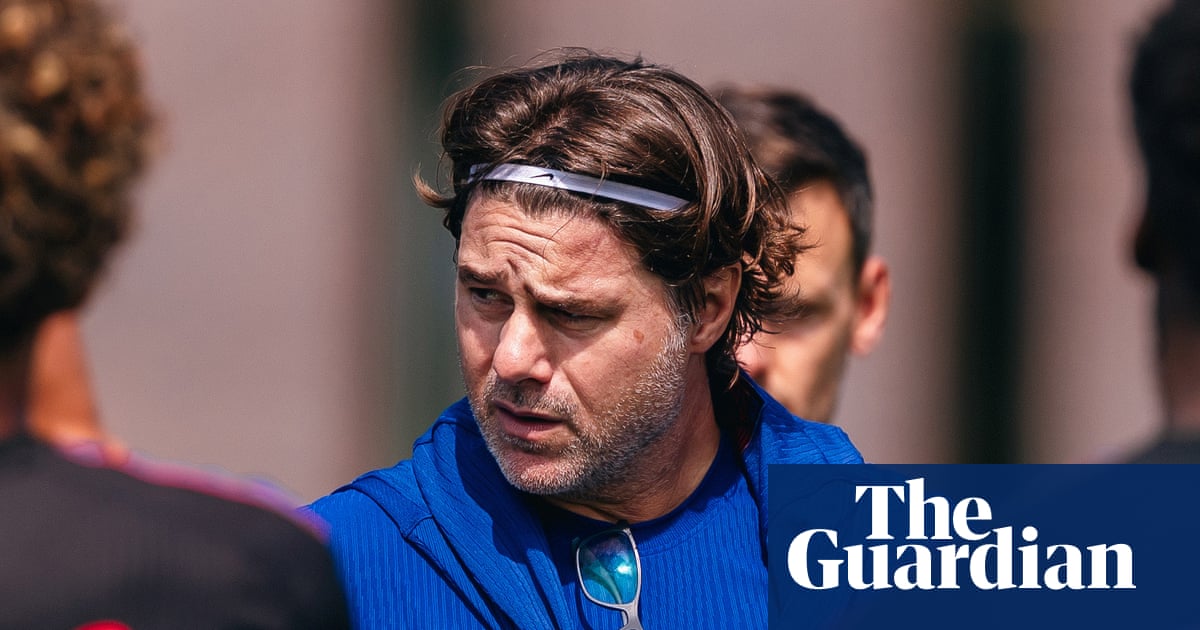
For the United States, this is a massive boost. Mauricio Pochettino’s tactical plan relies heavily on Balogun's mobility and pressing. Without him, the USMNT lacks a focal point in attack.
Pochettino's Pressing Machine
Pochettino will set his team up in a high-intensity 4-3-3 formation. They want to press Belgium high up the pitch and force turnovers in the final third. Balogun is the trigger for this press.
If the U.S. progresses, they will present a unique physical challenge for Spain. Their midfield engine room of Weston McKennie, Tyler Adams, and Yunus Musah is incredibly industrious. They cover ground quickly and press aggressively.
This midfield engine will seek to disrupt Spain's rhythm. Rodri will find himself under constant pressure from Adams and McKennie. If they can isolate Rodri, Spain's entire build-up could collapse.
Pochettino knows Spain's weakness. He will instruct his players to target Spain's high defensive line. Timothy Weah and Christian Pulisic will look to run behind Marc Cucurella and Pedro Porro.
Rudi Garcia's Belgian Counter-Revolution
Belgium, on the other hand, presents a very different challenge. Under Rudi Garcia, the Red Devils have moved away from their previous expansive style. They are now a compact, counter-attacking unit.
Garcia succeeded Domenico Tedesco in January after a string of poor results. He immediately prioritized defensive solidity over attacking flair. He has made Belgium difficult to beat.
Belgium will likely set up in a low 4-2-3-1 structure. They will allow their opponents to dominate possession. Their primary weapon is the quick transition.
Kevin De Bruyne remains the focal point of their attacks. Even at thirty-four, his vision is unmatched. He only needs one pocket of space to release Loïs Openda or Jeremy Doku.
The Threat of Openda and Doku
Openda’s speed is a major threat. He will look to occupy Pau Cubarsí and Aymeric Laporte. Spain's young center-backs will have to be perfect in their defensive positioning.
Doku will match up against Pedro Porro. This is a battle that should worry Spanish fans. Porro is excellent going forward but can be exposed defensively in 1v1 situations.
However, Belgium’s defense has clear weaknesses. Their center-back partnership of Wout Faes and Zeno Debast can be erratic under pressure. They are prone to lapses in concentration.
If Spain plays Belgium, they must exploit these defensive frailties. Spanish midfielders must play quicker vertical passes. They cannot allow Belgium's mid-block to settle.
Spain's possession must have a purpose. In their 1-0 win over Portugal, Spain played too many safe lateral passes. They must take more risks in the final third to break Belgium down.
Tactical Adjustments for Los Angeles
Regardless of who wins in Seattle, Luis de la Fuente must make adjustments. His team looked tired and unimaginative in Dallas. He must inject fresh energy into his starting lineup.
The Case for Nico Williams
Nico Williams must return to the starting lineup. His pace and dribbling ability are essential for Spain's width. Without him, Spain is too easy to defend.
With Williams on the left and Lamine Yamal on the right, Spain can stretch the opposition defense. This will create space in the center for Pedri and Dani Olmo to exploit.
De la Fuente must also consider his options at striker. Mikel Oyarzabal is a hard worker, but he lacks the physical presence to lead the line alone. Alvaro Morata or Samu Omorodion could offer a different dimension.
Morata’s movement in the box is superior to Oyarzabal’s. He is better at pinning center-backs and creating space for late runners. Merino’s winning goal against Portugal showed the value of these late runs.
Protecting the Pivot
In midfield, Rodri needs more support. Against Portugal, Vitinha and João Neves did a good job of cutting the passing lanes to Rodri. Spain's center-backs had to carry the ball forward.
Pau Cubarsí handled this responsibility well, showing great composure. However, Spain should not rely on a young defender to conduct their build-up play. Pedri must drop deeper to help Rodri progress the ball.
Cucurella must also be careful with his positioning. He was caught out of position twice against Portugal, luckily without consequence. Against Pulisic or Doku, those errors will lead to goals.
Spain’s press must also be more coordinated. Against Portugal, the front three pressed individually rather than as a unit. This allowed Portugal to easily bypass the first line of pressure.
Key Quarter-Final Matchups
- Pedri vs. Weston McKennie: The battle for midfield tempo.
- Marc Cucurella vs. Christian Pulisic: Exploiting Spain's left flank.
- Pau Cubarsí vs. Folarin Balogun: A test of physical strength.
The Verdict and Prediction
So, who will Spain face in Los Angeles, and how will they fare? The United States vs Belgium match is a classic clash of styles. Pochettino’s energy versus Garcia’s pragmatism.
The Balogun decision will tilt the balance. Having their star striker available will give the United States a massive psychological boost. The crowd in Seattle will be electric.
Expect the U.S. to start fast and press Belgium into submission. The Belgian defense will struggle with the pace of Pulisic and Balogun. A 2-1 victory for the USA looks likely.
Previewing the Quarter-Final Clash
This setup sets up a mouth-watering quarter-final: Spain vs the United States. It will be a battle between Spain’s technical superiority and the USA’s physical intensity.
Pochettino will look to copy the Portugal blueprint but with more aggression. They will press Rodri, clog the midfield, and launch quick counters. It will be a grueling match for Spain.
However, Spain's technical quality should ultimately prevail. If De la Fuente starts Nico Williams, Spain will have the tools to break the U.S. press. Lamine Yamal will find the space he needs to make a difference.
Spain will control the tempo and wear the U.S. down. It won't be easy, and it won't be pretty. But Spain will find a way through.
We predict a hard-fought 2-0 victory for Spain in Los Angeles. They will qualify for the semi-finals, but they will be fully tested.
Read Next
- Donald Trump just called Gianni Infantino to rewrite the FIFA rulebook
- FIFA just broke their own rules for the USMNT and Belgium is furious
- Why Folarin Balogun's political reprieve changes everything for the USMNT
- Why Folarin Balogun's political reprieve changes everything for the USMNT
- 🏆 World Cup 2026 — Full Coverage Hub
- 🇪🇸 Spain World Cup 2026 — La Roja Hub