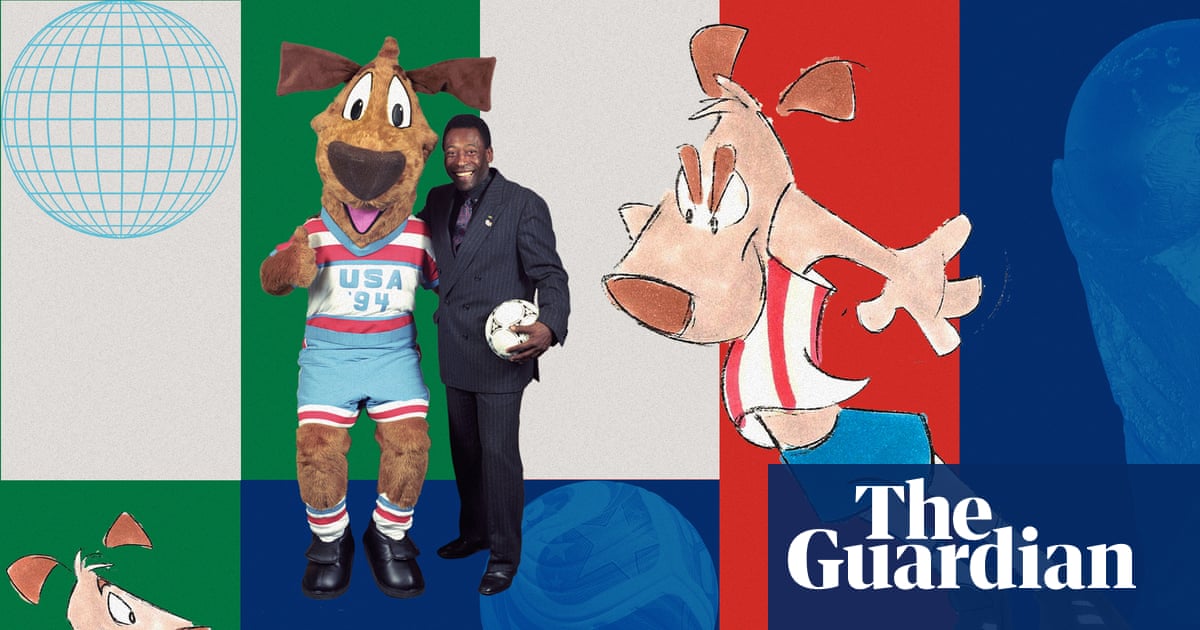
The shadow of Striker looms over 2026
As we navigate the mid-July heat of 2026, the contrast between modern football marketing and the innocence of three decades ago is stark. We look back at Striker, the 1994 World Cup mascot, and find not just a kitschy piece of sporting memorabilia, but the origin point for the brand-heavy reality we inhabit today. A discarded mascot head sitting in a North Carolina warehouse is a fitting metaphor for how rapidly these events are hollowed out once the final whistle blows.
The Guardian reports that the costume head, preserved in plastic, serves as a grim artifact of that era. It signifies a era where commercial aims began to override the actual sport. While we fret over VAR decisions or the latest transfer rumors, the underlying structure of the game has shifted toward a product-first mentality that Striker helped pioneer.
The mechanics of nostalgia versus utility
Today, fandom often feels like an exercise in managing brand loyalty. We analyze tactical shifts like the move toward discrete diffusion models in AI not because they help us watch the game, but because they represent the same data-obsessed logic currently bleeding into football operations. Clubs are run like software teams, treating players as parameters to be optimized rather than athletes to be developed.
The current management of major tournaments suffers from a similar malaise. Everything is overdetermined. Even the way we order a burger during a match has been optimized via a terminal-based workflow, turning a casual fan pastime into a sequence of shell commands. It is efficient, yes, but it is also deeply sterile.
Operational failures in the modern game
The flaw in this hyper-commercialized strategy is the inevitable divorce from the fan experience. When you turn every aspect of the match-going process into a frictionless transaction, you remove the friction that makes football memorable. The grit, the queues, the shared annoyance with a poor decision—these are the essential components lost in the rush to digital optimization.
We have reached a point where the mascot is no longer an ambassador for the game but a liability sitting in a warehouse corner. If the infrastructure behind the scenes is this detached from the fan, the product on the pitch eventually follows. I predict the next generation of football discourse will focus entirely on shedding this corporate skin, as the novelty of total digital integration wears off and fans demand a return to physical, chaotic, unpolished spontaneity.
My final take
The current path is unsustainable. By 2028, we will see a significant market correction where authenticity is rebranded as premium content to claw back the alienated audience. The 1994 era was the beginning of the end of the amateur spirit, and we are now living through the total liquidation of that remaining magic. Own the fact that you already know this, even if it hurts to watch the consolidation continue for another season.