The high cost of playing with the lead
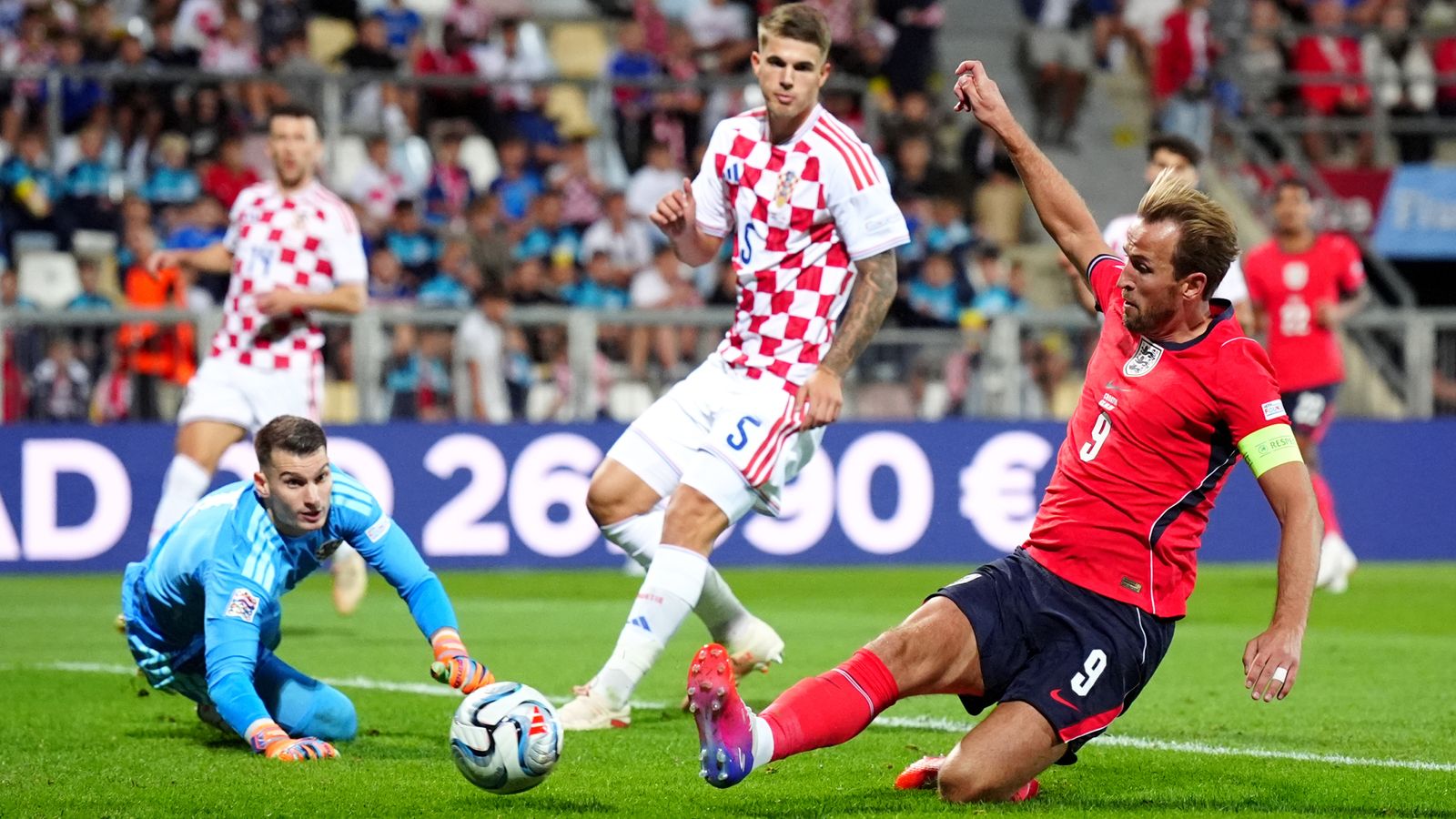
England held the ball for 62% of the first half against Argentina, yet managed a meager 0.42 expected goals (xG) before conceding the equalizer. Thomas Tuchel’s side entered the semifinal at the 2026 World Cup with a reputation for absolute control, but that control vanished the moment they took the lead. By retreating into a mid-block at the 18th minute, England surrendered the territorial dominance required to kill off a counter-attacking side like Argentina.
Defensive metrics paint a grim reality
The tactical shift shifted possession stats heavily in the second half. England completed only 74 passes in the final third compared to Argentina’s 142. The decision to prioritize a compact defensive shape forced England into a deep defensive line, with their average starting position dropping 12 yards deeper than during their quarterfinal victory. This retreat invited sustained pressure, culminating in the 82nd minute winner that sent England packing.
Statistical gaps in the engine room
Data analysts noted that the midfield trio of Rice, Bellingham, and Mainoo lost 68% of their individual duels in the final 20 minutes of play. While Tuchel defended his approach as a necessary precaution against Argentina's transition speed, the numbers suggest a failure to manage the tempo. As critics noted in post-match reports, the team looked passive, managing only two shots on target after the opening goal despite having ample technical quality on the pitch.
The defensive withdrawal effectively removed England’s primary outlet threat. By shrinking the pitch, Tuchel’s men made it easier for Argentina’s high press to recover balls in dangerous positions. This resulted in 14 turnovers inside the middle third during the second half alone.
The missed opportunity for aggressive closing
Refusing to press after the breakthrough was the critical error. During the group stages, England averaged 14.5 high-turnover sequences per match; against Argentina, that number plummeted to just 4. The fear of being caught on the break dictated a conservative posture that ultimately nullified England's most potent offensive weapons. The final scoreline of 2-1 is a reflection of a team that stopped playing football the moment they secured the advantage.
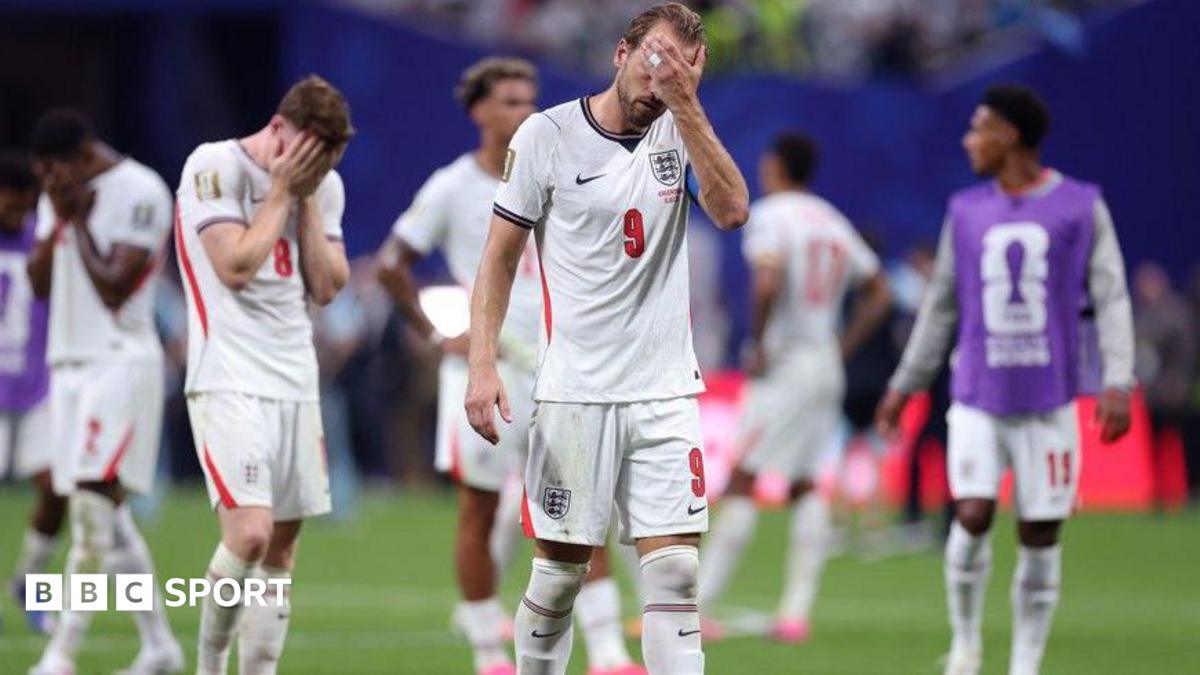
Ultimately, this semifinal defeat exposes a weakness in Tuchel’s tournament mindset. When the stakes reached their peak, the reliance on rigid defensive structure over fluid attacking intent proved costly. Players were visibly static in the closing stages, failing to recycle possession when the pressure mounted. If England wants to secure a major trophy, they must find the courage to play the final 30 minutes with the same intensity as the first.