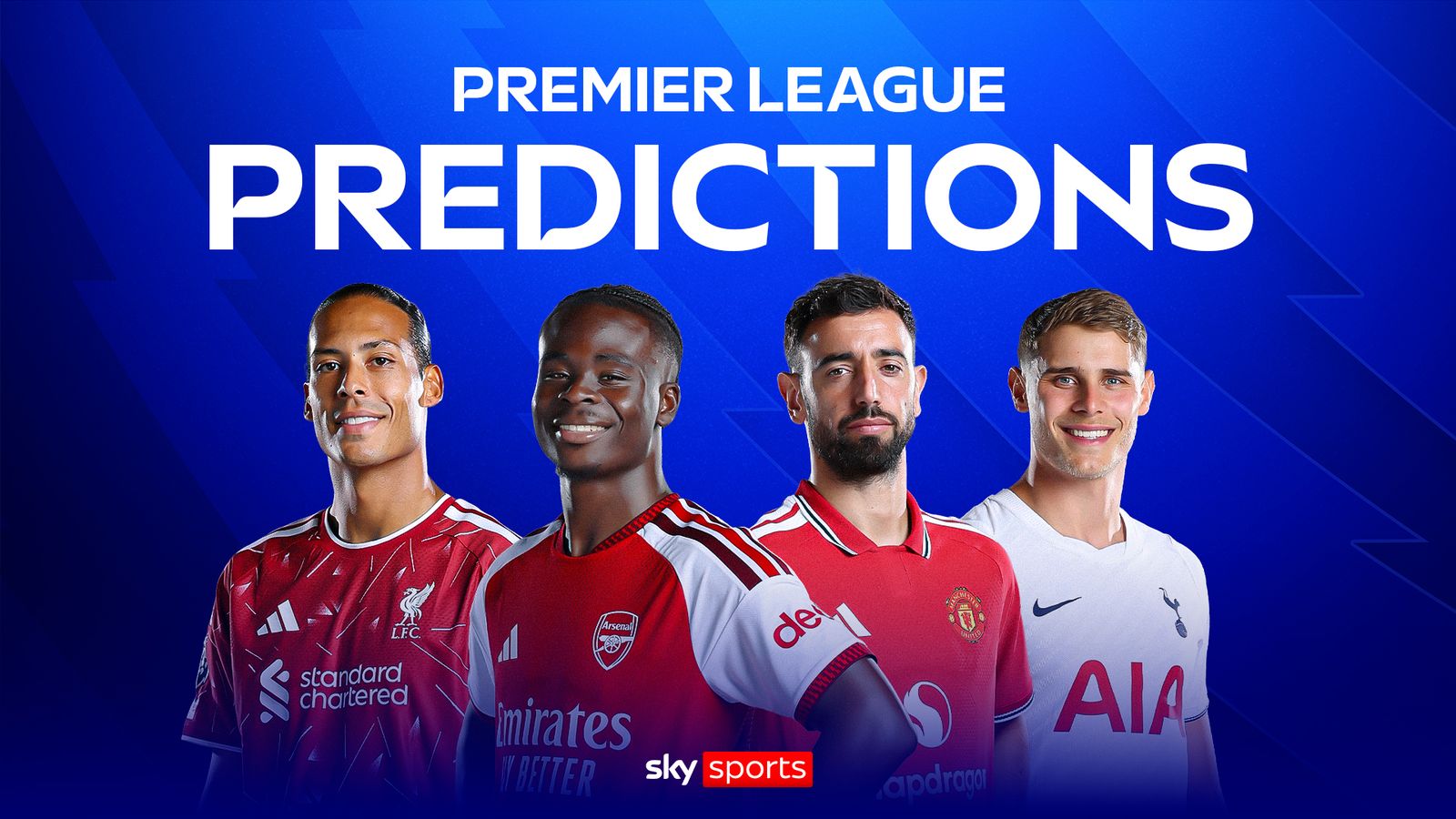
The High-Stakes Reality of the 2026 Cycle
Professional football is currently defined by aggressive squad restructuring and a ruthless pursuit of efficiency. Clubs are no longer betting on potential; they are paying premiums for immediate tactical integration.
1. The Coppola Paris FC Acquisition
Brighton’s recent move to finalize the transfer of Coppola to Paris FC highlights the current market obsession with multi-club ownership models. This transaction serves as a core blueprint for how mid-tier Premier League clubs aim to retain value while navigating strict financial regulations. See the details of the move in Sky Sports live transfer coverage. It reflects a shift toward global talent pipelines that minimize scouting overhead.
2. The Mid-Season Managerial Volatility
The pace at which clubs are cycling through tactical leads has reached an unsustainable level. Boards are panicking at the first sign of a negative goal differential, leading to erratic decision-making that ruins continuity. Players are forced to adapt to three or more distinct philosophies in a single calendar year.
3. The Integration of Real-Time Tactical Data
Pitch-side assistants are now wielding tablets with live heatmaps that influence substitution patterns in real-time. This has stripped the game of some of its organic flow, turning matches into chess matches controlled by quant analysts. While some celebrate the precision, the soul of the sport suffers when every decision is dictated by a model.
4. The Surge in Defensive Consolidation
Teams have abandoned high-pressing systems in favor of low-block structures designed to bleed out high-possession opponents. We watched matches this year where the home side recorded less than 30% possession yet secured a 1-0 victory. It is effective, cynical, and miserable to watch as a spectacle.
5. The Financial Fair Play Fallout
Regulatory bodies have finally started applying real pressure, leading to point deductions that changed the league tables overnight. The transparency has been welcome, but the execution remains inconsistent. Fans deserve better than results decided in a boardroom rather than on the grass.
6. The Rise of the Wide-Area Pivot
Tactical diagrams from top clubs now show inverted fullbacks operating as dual-number sixes in the transition phase. This change forces wingers to hold the touchline with rigid discipline to stretch the defensive line. It is a predictable tactical trend that every mid-table team has copied to varying degrees of failure.
7. Short-Term Loan Cycles
The reliance on short-term loans to plug gaps rather than building a stable core has hurt individual player development. Young prospects are being sent across Europe every six months, preventing any real growth. It is a mercenary approach that treats players as commodities rather than team members.
8. The Decline of the 'Target Man'
The traditional center-forward who thrives on physical duels is nearly extinct in the modern game. Everything is focused on fluid front lines where technical dribbling ability outweighs aerial dominance. This has made cross-heavy attacks mostly useless, resulting in congested penalty boxes that lead to sloppy play.
9. The Increased Frequency of Mid-Week Fixtures
Scheduling fatigue is the primary reason for the abysmal quality of play during the final months of the season. Athletes are human beings, not machines, and asking them to perform at peak velocity every three days is a recipe for injury. The calendar is a disaster designed to milk broadcast revenue over player health.
10. The Penalty Kick Overload
Referees are granting an unprecedented number of spot kicks for minor shirt-tugging incidents. The game is becoming stop-start, punctuated by VAR checks that take far too long to decide on subjective contact. Watching 5 minutes of review for a 50-50 challenge turns fans away from the broadcast.
Honorable Mentions
The persistence of set-piece specialist coaching remains the only real area of innovation outside of data integration. Also, the return of the flare-throwing protests in smaller leagues serves as a reminder that local fans are fed up with corporate sterilization. These trends define a year of extreme transition and deep frustration.