
Tactical Shifts in the 2026 Window
The June 2026 transfer window is defined by a flight to fiscal caution and specific squad profiling. Premier League clubs are balancing the fallout of international tournament fatigue with tighter overhead requirements, slowing down the pace of early business.
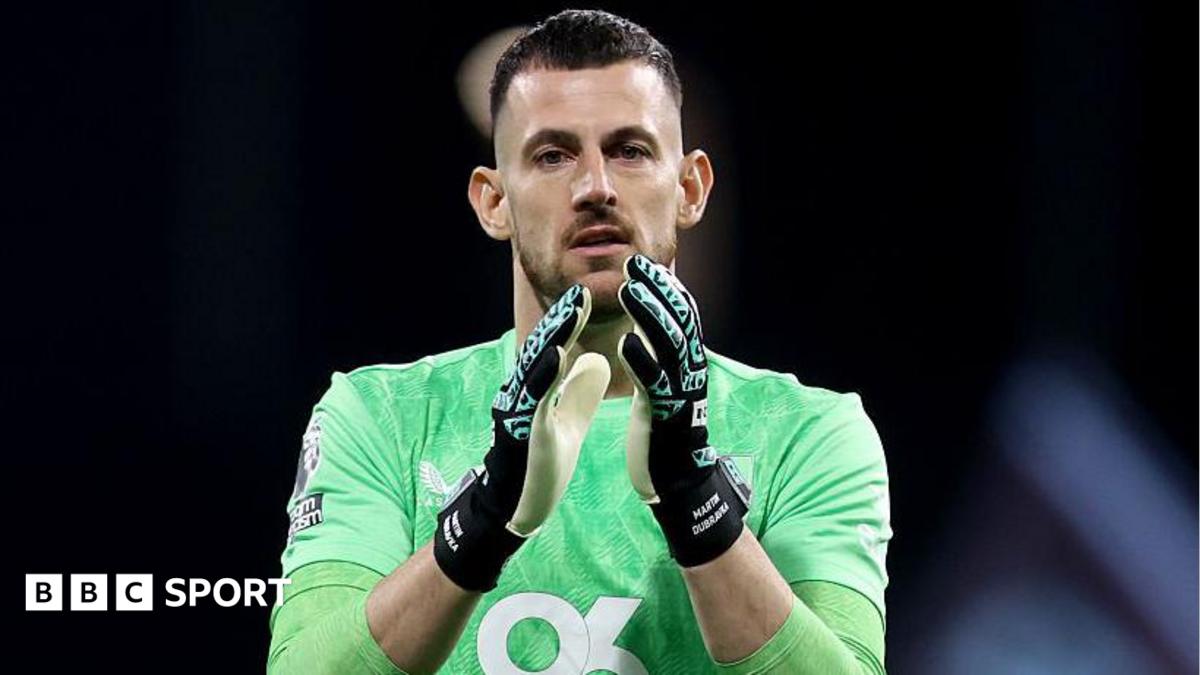
10. Martin Dubravka to Tottenham Hotspur
Tottenham’s move for the veteran backup marks a low-risk, high-utility acquisition. With his contract at Burnley ending July 1, the move addresses the technical fragility currently surrounding the Vicario position. It ranks here because it represents the sensible, albeit unglamorous, recruitment strategy teams are pivoting toward to avoid inflated market premiums.
9. The Ayyoub Bouaddi Contract Standoff
Lille’s 18-year-old talent is currently the center of a tug-of-war between Liverpool and Arsenal. With fresh talks ongoing, the potential 69 million pounds fee reflects the steep price for youth potential in a supply-constrained environment. His specific condition for moving ensures he won't be a bench warmer, signaling a power shift from clubs to individual prospects.
8. The Ousmane Diomande Valuation Gap
As The Mirror reported, Liverpool’s pursuit of Diomande is facing major resistance regarding his release clause. The 112 million pounds price tag is fundamentally fracturing the club's summer strategy. It sits at eight because it forces a choice between massive capital allocation or walking away from a primary defensive target.
7. The Andoni Iraola Recruitment Pivot
The new managerial regime at Anfield is already contending with internal friction over transfer priorities. The disconnect between scouting reports and the board's spending appetite is a standard early-tenure hurdle. This friction will define whether the project builds momentum or stalls before the season opener.
6. Goalkeeper Market Saturation
We are seeing an influx of reliable veterans like Dubravka disrupting the value of mid-tier starters. Clubs no longer feel the need to chase overpriced keepers when stable, free options exist. This suppresses the transfer fees for established starters, forcing agents into desperation deals.
5. The Lille-Liverpool-Arsenal Triangle
The specific competition between two top-six clubs for Bouaddi is inflating his wage demands to unsustainable levels. This serves as a warning for how aggressive negotiations can backfire when dual interest drives the price beyond the player's immediate utility. It is better to back out early than succumb to a sunken cost fallacy.
4. Burnley's Defensive Exodus
Losing Dubravka on a free transfer highlights a recurring issue for relegated or mid-table clubs facing wage bill pressure. The ability for top-four clubs to 'poach' seniority for nothing is widening the competitive gap. The financial disparity is no longer just about transfer fees; it is about absolute roster control.
3. The World Cup Distraction
As tournaments overlap with open windows, decision-makers are being pulled away from club offices. This slows down the vetting process for complex deals like the Diomande pursuit. Every day spent scouting in another time zone is a day the market moves without the necessary sign-offs.
2. High-Cap Defensive Targeting
The focus on triple-digit million fees for defenders signals a desperate attempt to fix leaking backlines. Teams are betting the budget on singular, transformative players. If these deals crash due to the valuation gaps mentioned in our 8th entry, season projections are effectively doomed.
1. Fiscal Responsibility over Squad Depth
The number one trend of this summer is the sudden end of the era where depth was bought with surplus cash. Clubs are prioritizing precise, fit-for-purpose additions over filling out the bench. This is a cold-blooded turn away from the chaotic spending of previous years. Expect fewer record-breaking deals and more technical standoffs.
Honorable Mentions
The ongoing search for under-21 breakout stars remains a secondary priority, though it will likely accelerate once the international tournaments conclude in mid-July. Keep an eye on secondary goalkeeper markets, specifically how teams settle their hierarchies before the first friendly match.

