The Tactical Bench: Assessing Global Head Coaches
The modern manager is defined by the ability to pivot under pressure. Whether navigating international tournament exits or domestic squad turnover, the seat is hotter now than at any point in the decade.
1. Pep Guardiola
Guardiola remains the gold standard for tactical evolution, currently sitting as a betting favorite for the England job despite his ongoing tenure at club level. His ability to modernize inverted fullback roles keeps his teams ahead of the curve. He is the only manager who forces an entire division to change its defensive shape simply by arrival. Staying top of this list is a matter of sustained trophy volume.
2. Eddie Howe
Newcastle United have seen significant development under his leadership, making him the primary domestic target for the FA. Sources suggest Howe is ready to leave St. James' Park if the England role opens, signaling a shift in his career trajectory. He prioritizes high-energy pressing that mirrors the demands of international tournament football. His readiness to step away from a club project shows an aggressive ambition for the Three Lions shirt.
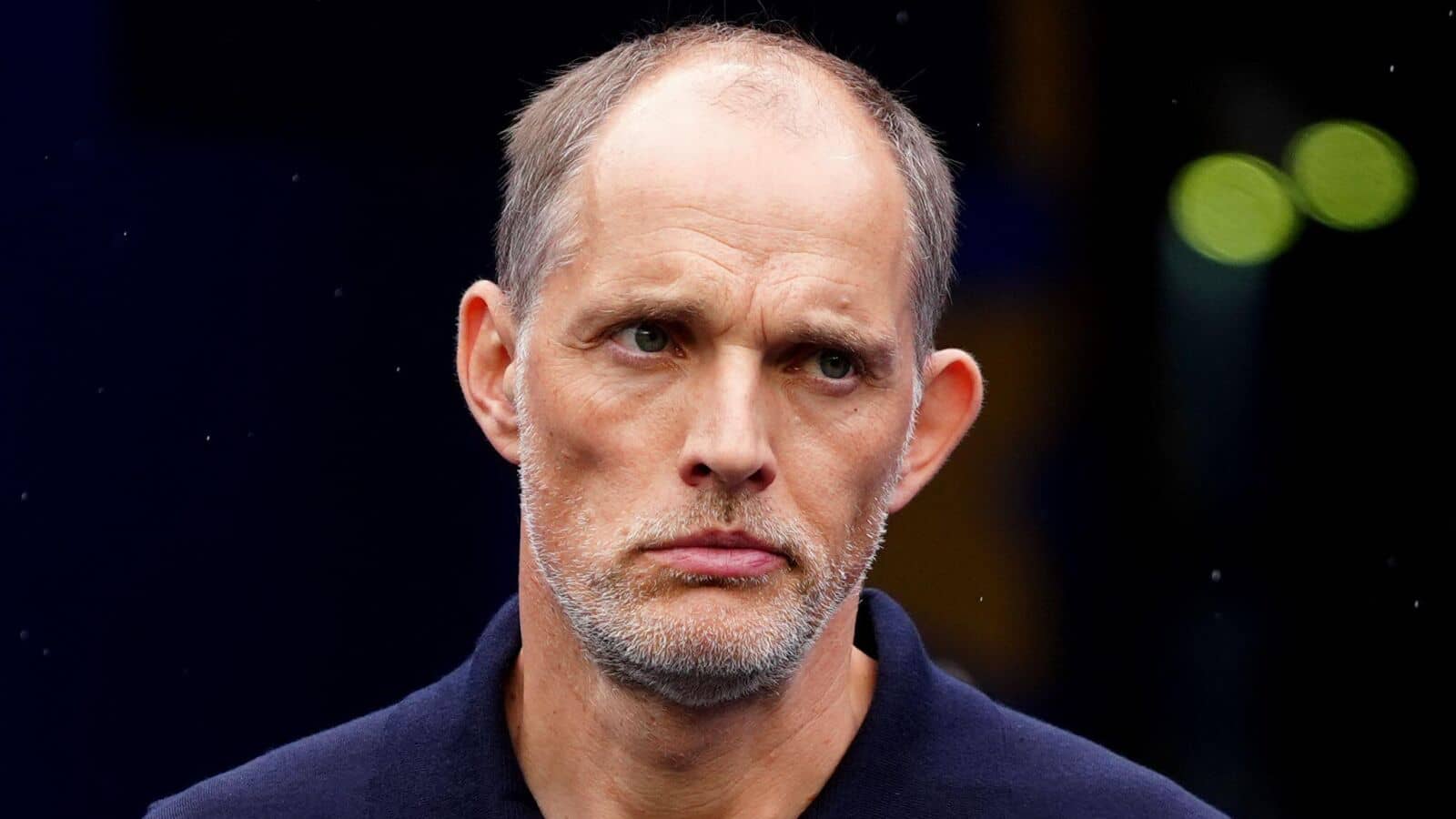
3. Thomas Tuchel
Tuchel faces intense scrutiny following England's exit to Argentina in the World Cup semi-final. While he equaled the 2018 performance of his predecessor, recent fan polls and media pressure suggest his defensive fragility cost him the final. He holds the position for now, but the FA is reportedly conducting a full performance review. Protecting a lead was the failing point that defines his current tenure.
4. Carlo Ancelotti
Ancelotti possesses an uncanny knack for man-management in star-studded dressing rooms. He avoids the rigid dogmatism that ruins younger coaches facing massive media scrutiny. His reliance on veteran core players can be a liability during rapid cycles, yet few can match his trophy haul. He ranks below the leaders due to a lack of long-term planning for his next destination.
5. Simone Inzaghi
Inzaghi mastered 3-5-2 structures that effectively neutralize modern high-pressing sides. His cup competition record suggests he is a specialist in navigating knockout stages, which is exactly why nations watch his progress. The tactical discipline required to execute his wing-back rotations is elite. He remains one injury crisis away from a failed season, however.
6. Mikel Arteta
Arteta has turned his squad into a defensive juggernaut that rarely concedes cheap goals. He demands an obsessive level of detail that keeps his team in title conversations every single spring. The skepticism remains regarding his ability to manage games when the Plan A transition fails. He is arguably too rigid when his primary attacking trigger is marked out of the match.
7. Xabi Alonso
Alonso is the hottest commodity for clubs seeking a high-modernist approach to possession. He translated his playing career instincts into a fluid transition model that destroys teams on the break. His ranking is depressed slightly by the limited sample size of high-stakes pressure compared to veterans on this list. Expect him to jump five spots the moment he lands a super-club role.
8. Unai Emery
Emery is a master of the middle class, elevating squads that have no business finishing in top-four contention. His tactical intelligence is evident in how thoroughly he prepares for specific league opponents. He often fails at the absolute pinnacle, struggling with the ego management required for global superstars. If the goal is consistency rather than silverware, he is the benchmark.
9. Julian Nagelsmann
Nagelsmann manages heavy rotation with more efficiency than most peers in the German sphere. He is comfortable deploying youth in essential roles, which provides longevity to his squads. Critics point to his defensive transition gaps during high-stakes knockout games. He needs a deep tournament run to prove he isn't just a regular-season specialist.
10. Arne Slot
Slot forces a fast-paced verticality that makes his teams incredibly difficult to defend for 90 minutes. He requires specific player profiles to make his system sing, which limits transfer options at smaller clubs. His transition to top-tier football has been largely successful, proving he is more than an Eredivisie outlier. He enters this list as an underdog who deserves more attention this coming season.
The Big Picture
The transition between club and international football remains the most volatile variable in the manager market. As reported by Football365, the pressure to abandon project-building for short-term fixes is accelerating. Managing reputations is now as vital as managing tactical systems.
Honorable Mentions
Ruben Amorim remains a lingering threat to the establishment, having built a defensive shell that is nearly impossible to break in local leagues. Antonio Conte remains a volatile but effective choice for any owner desperate for immediate, fire-breathing results. Thiago Motta is worth tracking purely for his experimental midfield structures that challenge traditional positional play.