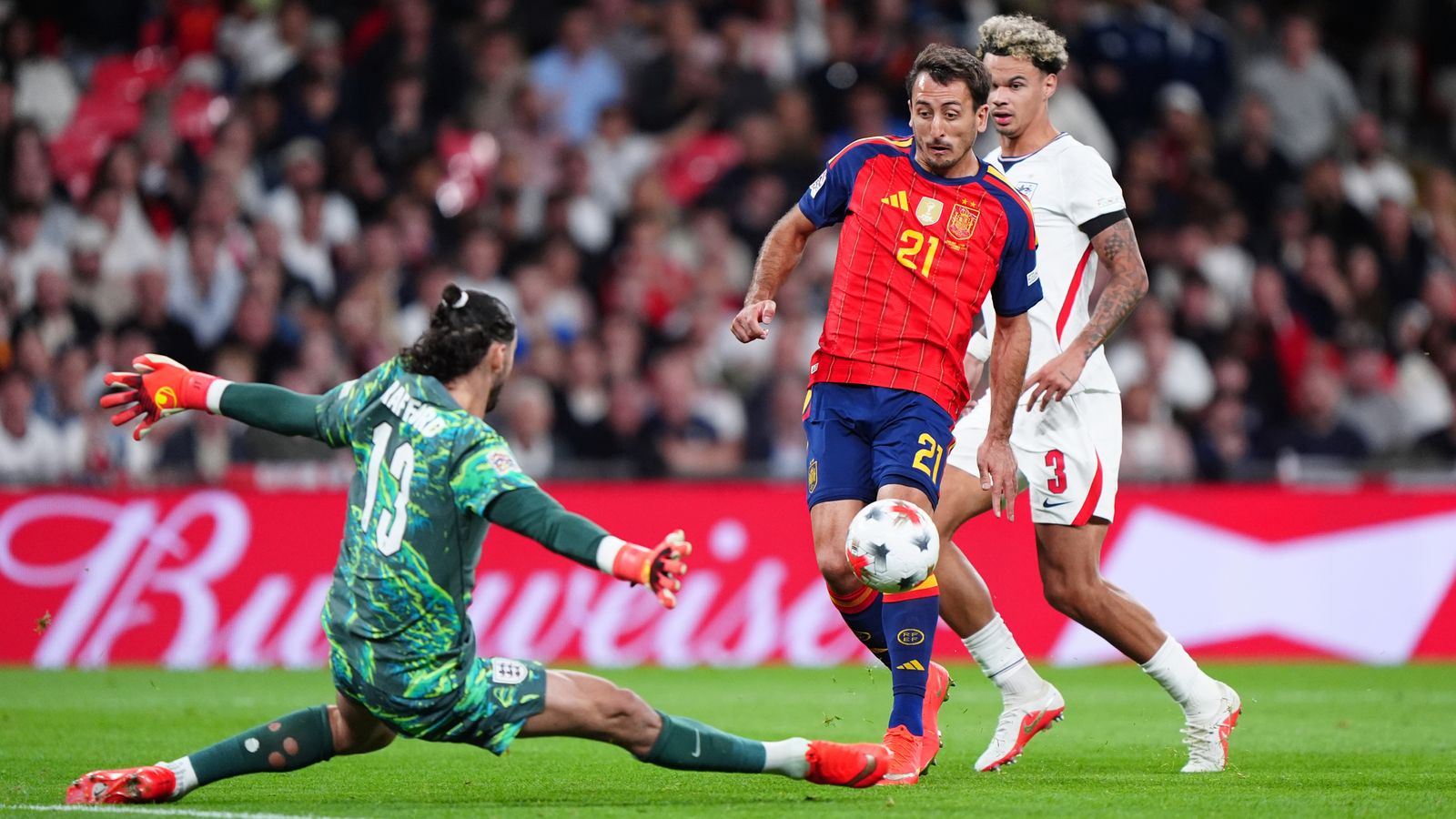
The stylistic collision in New Jersey
Today’s World Cup final pits two distinct philosophies against one another. Spain arrives at this stage having maintained a possession average of 68 percent throughout the tournament. They prioritize positional rotation, pulling markers out of their zones to create lanes for their interior midfielders.
Argentina, conversely, has leaned into a transition-heavy approach. Their success relies on isolating high-pressing opponents. They look for direct vertical passes between the lines, banking on the individual brilliance of their attacking pivot to punish defensive lapses.
The midfield battleground
The match will be decided in the space between the defensive block and the midfield line. Spain’s holding midfielder has been tasked with tracking back-to-goal strikers all tournament, recording an interception rate of 2.1 per 90 minutes. If they can prevent the ball from sticking to Argentina's forwards, they negate the primary threat of the counter-attack.
Argentina struggles when forced to defend for long stretches. As reported in the live coverage, the pressure of a final often forces teams into a conservative shell, but Spain's coach has consistently refused to park the bus. They will push their fullbacks high, forcing Argentina's wide players to track back deep into their own defensive third.
The analytical breakdown
Expect Spain to target the half-spaces. Argentina has conceded 0.8 xG per match on average, largely due to opponents finding space behind their overlapping fullbacks. By maintaining width through their wingers, Spain will force Argentina's center-backs into uncomfortable wide positions.
However, Spain carries a notable flaw. Their commitment to playing out from the back against high-energy pressing sides has led to dangerous turnovers in their defensive third. Should they lose focus in the 65th minute, an experienced Argentina side is more than capable of pouncing on a loose pass to break the deadlock.
Why the trophy heading to Madrid is the logical outcome
Despite the threat of the break, Spain occupies space with better intelligence than any other team in this competition. They force the opponent to chase the ball, which inevitably leads to physical fatigue by the final 20 minutes of the contest. While Argentina has fought through grit and individual moments of genius, Spain’s cohesive structure remains the most reliable metric for tournament success.
Unless Argentina can score early and force Spain into a desperate, hurried style of play, the endurance of the Spanish system will grind them down. I expect Spain to control the tempo, concede minimal high-quality chances, and edge this game in one of the final two quarters of play.
Read Next
- Spain and Argentina are set for a tactical standoff in Sunday's final
- Argentina's path to glory hinges on midfield control
- Spain and Argentina meet for a final that settles a philosophical debate
- The absurd reality of football's most pointless fixture
- 🏆 World Cup 2026 — Full Coverage Hub
- 🇦🇷 Argentina World Cup 2026 — Defending Champions Hub
- 🇪🇸 Spain World Cup 2026 — La Roja Hub