Measuring the transition gap in the World Cup final
Argentina enters the final with a possession average of 56.4 percent, yet their most dangerous sequences occur within 8 seconds of winning the ball back in the middle third. While casual observers fixate on individual brilliance, the tactical reality is that Lionel Scaloni has optimized his squad to exploit space left by aggressive high-pressing teams. This is a deliberate shift from earlier rounds where they favored slower build-up play to manage fatigue.
The data suggests that Argentina’s efficiency drops significantly once the opposing defensive block settles. In the quarterfinal match, they completed 84 percent of their passes in the final third but forced only 0.85 xG against a low block. They rely on turnovers to bypass defensive structures. Whether Spain will grant them these invitations is the defining question of the opening fifteen minutes.
Tactical heritage on the line in New Jersey
This match-up creates an immediate philosophical friction. As Philipp Lahm noted in The Guardian, the evolution of the Spanish style under their current staff has drifted away from the rigid positional play of the 2010 era. They now favor verticality and half-space rotations that mimic early-stage Klopp tactical setups rather than pure Guardiola dominance.
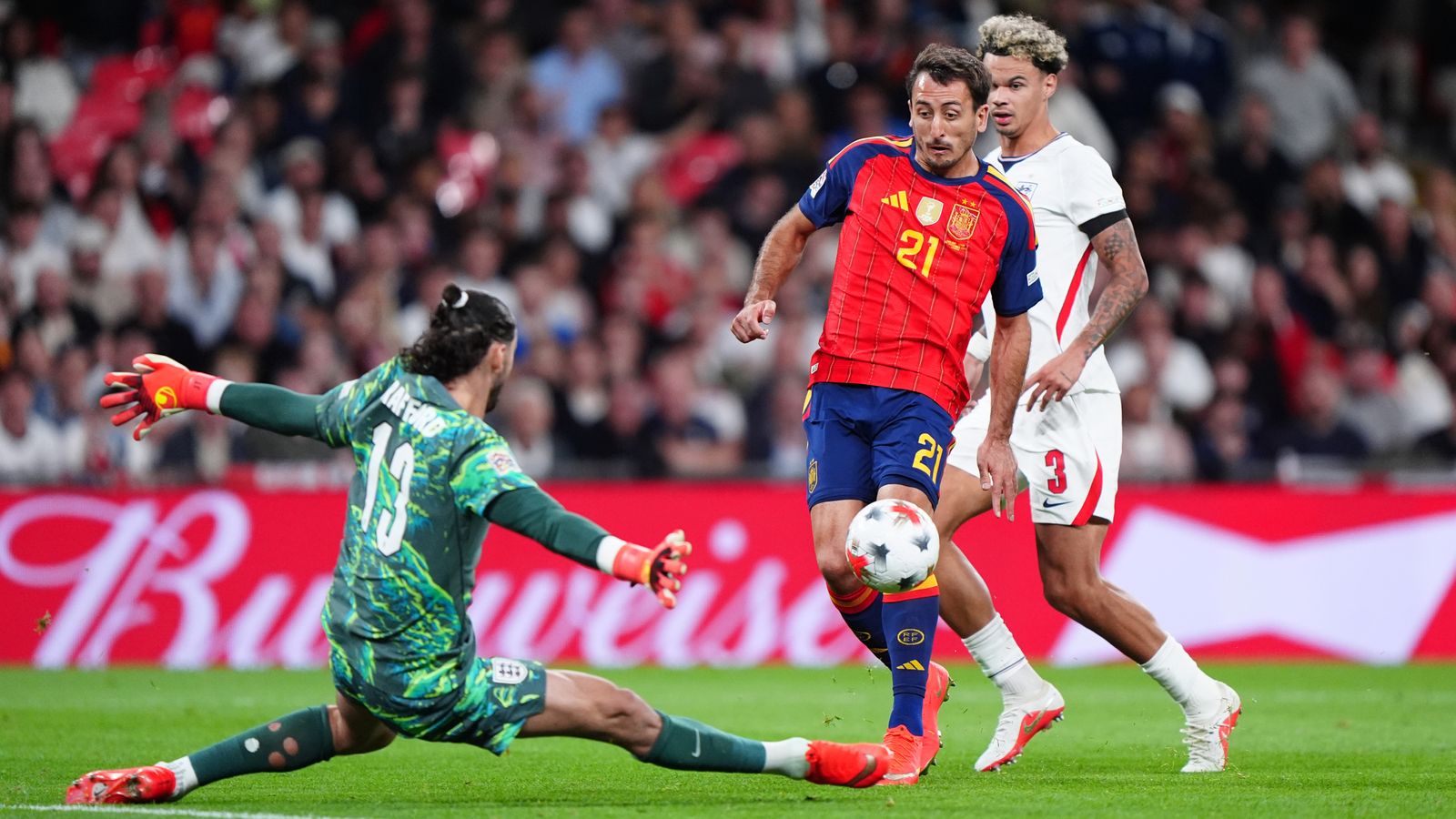
Spain’s reliance on wide-channel overloads often exposes their fullback positions to rapid counters. This is a vulnerability they have ignored throughout the tournament, likely counting on their high line to squeeze the pitch. If they concede the first goal, their tendency to push high-risk personnel forward could turn this into an open game rather than a chess match.
One glaring negative in Spain’s defensive discipline is their recovery speed after losing the ball in the transition phase. Against high-tempo opponents, their center-backs frequently get isolated. If Argentina targets those wide channels with direct balls early in the second half, Spain will find themselves scrambling to recover their shape.
What to watch for in the middle third
The battle for the middle third will be won by who manages the tempo after a clearance. Argentina rarely attempts to retain possession after a deep defensive hook; they look for the vertical outlet immediately. It is a cynical, effective approach that bypasses the midfield congestion entirely.
Spain will likely attempt to frustrate this by utilizing a counter-press that forces the ball backward. Their success depends on the positioning of their holding midfielder. If they prevent the first pass forward, they effectively neutralize Argentina’s primary attacking strategy. The game will be decided by these moments of secondary possession immediately following tactical fouls or ball recoveries.
My prediction for Sunday is a 2-1 victory for Argentina. Their ability to thrive without the ball makes them the more adaptable side. Unless Spain dramatically corrects their spacing in the transition phases, they will inevitably leave the door open for one clinical break. The trophy returns to South America because they are willing to win ugly while Spain remains obsessed with winning perfectly.
Read Next
- Argentina's path to glory hinges on midfield control
- Spain and Argentina meet for a final that settles a philosophical debate
- The absurd reality of football's most pointless fixture
- England’s World Cup bronze medal masks a regression
- 🏆 World Cup 2026 — Full Coverage Hub
- 🇦🇷 Argentina World Cup 2026 — Defending Champions Hub
- 🇪🇸 Spain World Cup 2026 — La Roja Hub