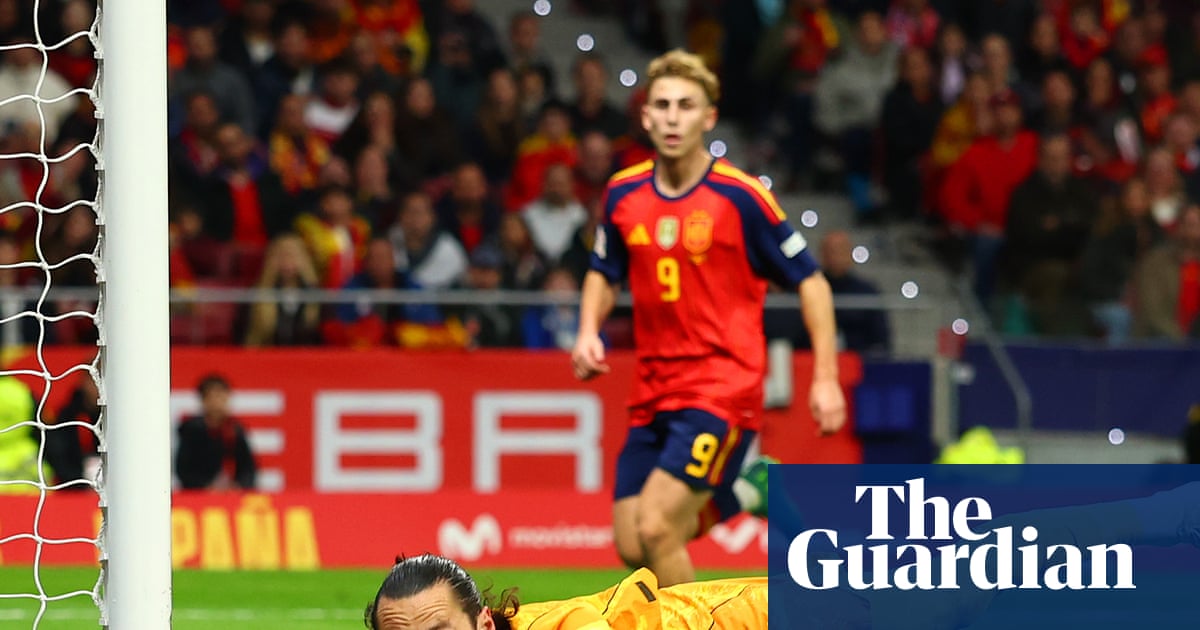
The Madrid Ambush and the Sixty-Minute Masterclass
Thomas Tuchel wanted a signature victory in Madrid, and for sixty minutes his team produced football close to perfection. England took the fight directly to the world champions on their own pitch. They hunted the ball in Spain's half, closed down passing lanes, and attacked with urgency.
The tactical setup caused immediate problems for Spain. Tuchel demanded patience off the ball and bravery in possession, building an astonishing 3-0 cushion. Madrid sat stunned as England dictated the tempo.
Declan Rice noted that England could have scored even more before the match unravelled. As Rice explained to reporters, Spain were starting to push forward recklessly and surrender space. England looked completely dominant.
Then chaos struck. Elliot Anderson committed a clumsy foul on Lamine Yamal inside the box, earning a straight red card for denying a goalscoring opportunity. That single error dismantled England's control and launched thirty minutes of pure survival.
Ten Defining Moments from a Madrid Classic
10. England Clinches Top Spot in the Nations League Group
Securing first place in the Nations League group provides practical benefits for tournament seeding. It validates Tuchel's tactical setup against elite opposition. Yet it sits tenth because table mathematics cannot rival the visceral drama on the pitch.
Supporters will not reminisce about group standings years from now. They will remember ten men defending for their lives in Madrid. The points are an administrative reward, but the survival itself is what resonates.
9. Spain Converts the Spot-Kick to Ignite the Fightback
Stepping up to the spot against a rattled England, Spain showed the composure of champions. The converted penalty cut into England's lead and shifted the mood instantly. It ranks ninth because scoring from twelve yards is routine work for elite talent.
The real damage occurred before the ball hit the net. Anderson's challenge handed Spain a lifeline they barely had to work for. One kick ended England's aura of complete control.
8. Spain Scores Their Second to Set Up a Grandstand Finish
Spain's second goal transformed a comfortable away win into pure agony. With the scoreline tightened to 3-2, the Madrid crowd erupted and the hosts poured forward. It sits at eight because it pushed England into a severe psychological test.
This strike outranks the penalty because open-play goals generate irresistible momentum. England looked disjointed, struggling to clear their lines. For several minutes, a total collapse seemed imminent.
7. Declan Rice Sparks the Shorthanded Midfield Resistance
Passive defending with ten men against Spain is suicide. Declan Rice recognized the danger and disrupted Spain's attacking rhythm. He threw himself into challenges, closed down passing lanes, and relieved pressure when England threatened to buckle.
As Rice noted, tackles started flying once England went down a man. His energy gave England the physical bite they desperately required. That defiance kept the backline from being overwhelmed.
6. Thomas Tuchel Reorganizes the Defensive Block
Navigating thirty minutes of relentless pressure requires cold tactical adjustments. Tuchel immediately reshaped his side into a compact defensive unit after the dismissal. He demanded discipline, forcing his attackers to drop deep and protect the box.
The manager earned his keep during those chaotic minutes. Instead of allowing his squad to run wildly, he locked down central spaces and forced Spain wide. It was gritty management under hostile conditions.
5. England Races Out to a Stunning Three-Goal Advantage
Nobody predicted an English blitz of this magnitude. England tore through the world champions on their own pitch, building a shocking 3-0 cushion that silenced Madrid. For sixty minutes, they played crisp, aggressive football that left Spain chasing shadows.
This early surge claims the fifth spot because dominating away to Spain is exceptionally rare. It showed the high ceiling of Tuchel's squad. However, nearly throwing the entire advantage away keeps it outside the top four.
4. Elliot Anderson's Clumsy Tackle on Lamine Yamal
Let us not sugarcoat what happened in England's penalty area. Tracking back against Lamine Yamal, Elliot Anderson made a reckless tackle that gave the referee an easy decision. It was an appalling lapse of judgment from a midfielder holding a three-goal lead.
This blunder ranks fourth because it completely flipped the script of the match. England had drained the life out of Madrid until Anderson lunged. That single tackle dragged his teammates into thirty minutes of pure stress.
3. The Red Card and the Double Punishment Controversy
The referee reaching for his back pocket blew the contest wide open. Anderson's dismissal for denying a goalscoring opportunity triggered furious protests from the England bench. Tuchel voiced frustration after the match, questioning why his team faced both a penalty and an ejection.
This decision edges Anderson's tackle because the card dictated the tactical dynamic of the closing half-hour. Facing Spain in Madrid with ten men usually ends in defeat. The dismissal created an instant flashpoint that defined the post-match debate.
"Against this team half an hour feels like two hours." — Thomas Tuchel
2. England Survives the Frantic Thirty-Minute Siege
Tuchel compared the rearguard action to England's famous victory in Mexico's Azteca Stadium. For 30 minutes, England put ten bodies behind the ball and repelled relentless Spanish attacks. Spain pushed with fury, but England held the line with desperate blocks and sheer grit.
Surviving against the world champions while shorthanded requires exceptional resilience. England could have easily folded after conceding twice in rapid succession. Instead, they weathered the storm and protected their slender lead under suffocating pressure.
1. The Final Whistle Snaps Spain's 43-Game Unbeaten Streak
The sweetest sound of the night came when the referee finally brought proceedings to a halt. By holding on through stoppage time, England ended Spain's historic 43-game unbeaten streak. That remarkable run had defined Spanish supremacy on the international stage.
This moment easily takes the top ranking. Everything else on this list built toward that final whistle: the early dominance, the reckless red card, and the heroic resistance. To beat the world champions in Madrid with ten men is an unforgettable achievement.
"To win it 3-2 against that team, unbeaten in 43, is a massive thing." — Declan Rice
The Double Punishment Debate and Tuchel's Blind Spot
Thomas Tuchel was outspoken after the final whistle, directing his ire at the officiating. As Mirror Football reported, Tuchel demanded to know why his team suffered both a penalty and an ejection. He insisted that England had the match won before the dismissal intervened.
Yet Tuchel's complaints reveal a convenient blind spot. The rules are clear: denying an obvious goalscoring opportunity in the box only avoids a red card if the defender genuinely attempts to play the ball. Anderson made a clumsy lunge on Yamal with no chance of winning possession.
By attacking the rulebook, Tuchel deflected attention from an unforced defensive error. Anderson showed panic in a match where England held a commanding three-goal cushion. In knockout tournament football, that lack of discipline proves fatal.
A manager cannot control refereeing interpretations, but he must control squad composure. England came within inches of blowing a historic victory because one player lost his head. That vulnerability should concern Tuchel far more than the referee's notebook.
Tactical Reality and England's Tournament Blueprint
Sunday night in Madrid offered an honest reflection of where England stand under Tuchel. The opening sixty minutes proved that England can dismantle the world champions when their pressing clicks. They were aggressive, coordinated, and lethal in transition.
However, the final half-hour exposed lingering defensive frailties that cannot be ignored. The moment adversity arrived, England's attacking composure vanished and panic set in. Conceding twice in quick succession shows that defensive concentration remains fragile under severe pressure.
Surviving a thirty-minute siege makes for stirring drama, but it is not a sustainable tournament blueprint. To convert memorable group victories into major silverware, Tuchel must address three hard realities from Madrid:
- Aggressive pressing in the opponent's half can dismantle elite defenses, but it demands relentless energy.
- Unforced defensive errors inside the box erase tactical advantages faster than any substitution.
- Relying on desperate blocks with ten men is an emergency measure, not a championship formula.
Tuchel deserves praise for orchestrating a historic victory and ending Spain's 43-game unbeaten run. Taking maximum points in Madrid sends a clear message across Europe. Now Tuchel must eliminate the chaotic collapses before England face the world's best on an even bigger stage.