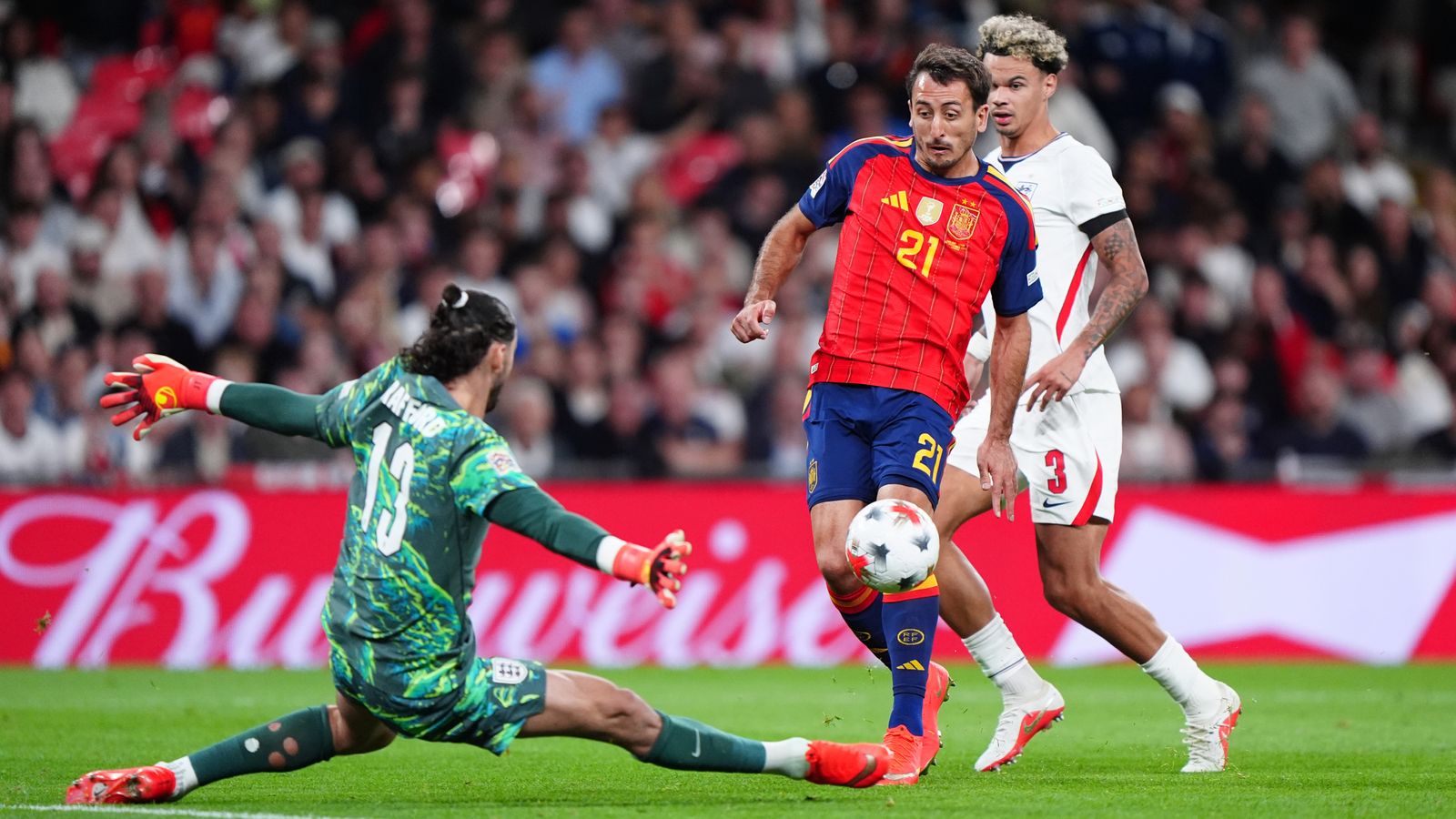
Measuring the transition gap in the World Cup final
Argentina enters the final with a possession average of 56.4 percent, yet their most dangerous sequences occur within 8 seconds of winning the ball back in the middle third. While casual observers fixate on individual brilliance, the tactical reality is that Lionel Scaloni has optimized his squad to exploit space left by aggressive high-pressing opponents. The stats reveal a clear dependency on breaking lines during these brief windows of transition.
Defining the defensive structure against Spain
Spain remains the most efficient passing side in the tournament, completing 89.2 percent of their attempts per match. However, against a disciplined low-to-mid block, their xG (expected goals) drops from 2.1 per game to just 1.1. This suggests that if Argentina can maintain a compact defensive shape, limiting the space between their lines to under 15 meters, Spain becomes predictable.
We saw this blueprint earlier in the tournament. During the quarter-final route, Argentina conceded only 3 shots on target while maintaining a 52 percent duel success rate in defensive transitions. This rigidity stands in contrast to the more open, high-scoring affairs associated with typical finals, where nerves often dictate a conservative start.
The defensive discipline shown in the quarter-final is a repeatable performance indicator, provided the team maintains their shape in the final third.
The statistical reality of the final third
Offensively, the burden on the primary playmaker is immense. Data shows that 68 percent of Argentina's attacking moves pass through the central corridor between the 30th and 60th minutes. This concentration of play creates predictability, though it maximizes the output for players who thrive on tight-space combinations.
The counterintuitive finding here is the reliance on long-range shooting. Argentina has attempted 14 shots from outside the box since the semi-finals, a volume significantly higher than any other contender in the knockout phase. Despite the low conversion rate, this forces opposing defenders to step out of their disciplined defensive formation, creating the pockets of space required for more lethal penetration.
As Sky Sports has noted throughout the coverage of the Spain vs Argentina buildup, mid-game adjustments will be the determining factor. If the 14 attempts from distance fail to test the keeper early, the strategy could backfire by conceding possession far too cheaply against a technical Spain midfield. Argentina needs efficiency, not volume.
Ultimately, the match will be decided by who controls the tempo in the 72nd minute, when fatigue usually causes defensive gaps to widen. If Argentina holds onto their 56 percent possession average deep into the second half, they effectively nullify Spain's ability to mount a sustained comeback. It is a calculated gamble on endurance over elegance.
Read Next
- Spain and Argentina meet for a final that settles a philosophical debate
- Spain and Argentina meet in a final defined by two different philosophies
- England’s tactical fragility suggests a crash is coming
- The World Cup Final: Tactical purists vs. the Messi narrative
- 🇦🇷 Argentina World Cup 2026 — Defending Champions Hub