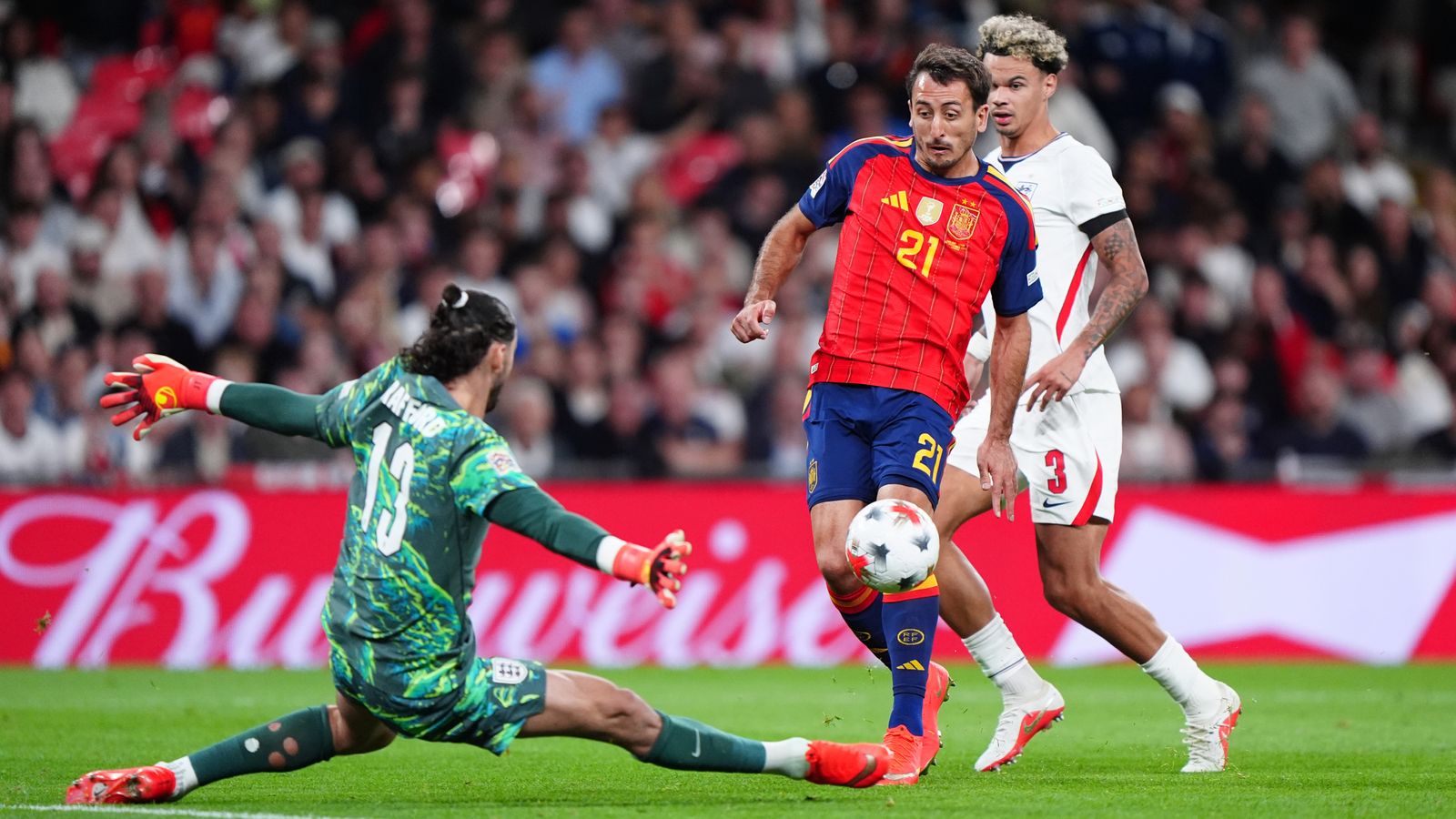
Tactical heritage on the line in New Jersey
The 2026 World Cup final is not just a game between two nations. It represents the collision of two distinct methodologies that have dominated the modern game. As Philipp Lahm noted in The Guardian, the Spanish blueprint remains rooted in the ideological seeds planted by Johan Cruyff. This is institutional football, built on positional play and an unwavering commitment to controlling the space through possession.
Conversely, Argentina operates on a different frequency. They have leaned into a more reactive, high-stakes tactical structure that prioritizes individual expression within a disciplined defensive framework. While Spain looks to strangle opponents with rhythm, Argentina thrives on the transition, seeking to exploit the very gaps that occur when a team commits men forward.
The central tension of the final
Spanish buildup play has relied heavily on the interior rotations of their young core. By dropping their number 9 deep, they create a 4-v-3 overload in central midfield. This forces opposing defensive blocks to break their lines. Data from the semi-finals shows that Spain averages a 68% possession share per match, a figure that highlights their preference for systematic breakdown over vertical speed.
The issue for Spain, however, is their vulnerability at the back. As evidenced by their recent difficult fixtures, when the press is broken, the center-backs are often left in 1-v-1 situations against pacey forwards. Argentina will look to bypass the Spanish midfield entirely with long, diagonal diagonals to trigger those exact isolation moments.
What to watch for in minute 20
Watch for the position of the Argentine wing-backs during the opening twenty minutes. If they stay tucked in narrow to assist the central midfielders, they will concede the half-spaces that Spain loves to occupy. If they push high, they leave their center-backs exposed to the speed of the Spanish wingers.
It is a balancing act that requires near-perfect game management. Should Spain fail to turn their comfort on the ball into low-xG shots within the first half hour, the pressure will shift entirely to their defense. Argentina is clinical in those scenarios, and their ability to punish mistakes has been the defining trait of their run to the final.
Predicting the outcome
Spain enters the match as the team with more coherent structure, but Argentina possesses the sharper edges. While the Spanish approach is more aesthetically pleasing, tournament football often rewards the team capable of suffering without breaking. The defensive fragility that England recently displayed in the bronze medal match serves as a warning for teams that lose their shape. Argentina will not overlook such lapses.
I expect the match to end 2-1 in favor of Argentina. They will surrender the ball for long stretches, absorb the pressure, and rely on two clinical counter-attacking sequences to silence the Spanish possession machine. It won't be pretty for the purists, but it will be effective.
Read Next
- Spain and Argentina meet in a final defined by two different philosophies
- The World Cup Final: Tactical purists vs. the Messi narrative
- The absurd reality of football's most pointless fixture
- Mbappe's pre-final jab at Messi was a tactical blunder for the ages
- 🇦🇷 Argentina World Cup 2026 — Defending Champions Hub
- 🇪🇸 Spain World Cup 2026 — La Roja Hub