
Thomas Tuchel's tactical rigidity cost England their biggest chance
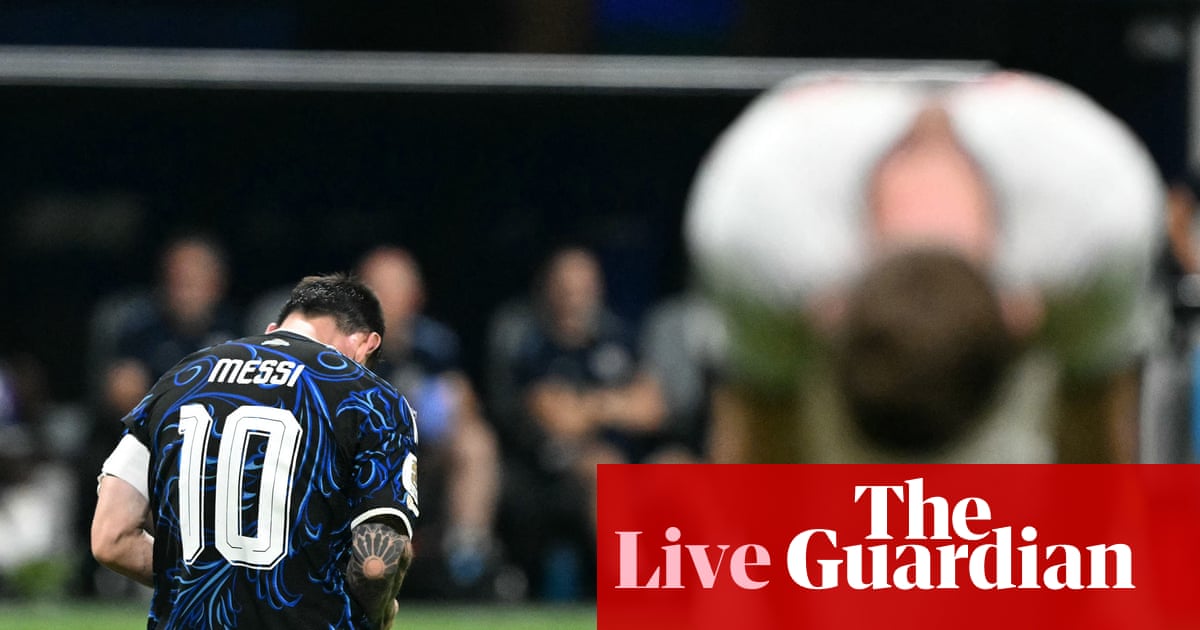
The structural failure in Atlanta
England’s elimination from the 2026 World Cup semi-final represented a systemic failure that went well beyond individual errors. Thomas Tuchel arrived with a reputation for tactical precision, yet he exited the tournament having repeatedly opted for an asymmetric back-three configuration that left his side vulnerable to transition attacks.
The decision to replace a stable quartet with Ezri Konsa was the turning point that destroyed England. By pushing Konsa into a defensive three, Tuchel fundamentally weakened the side's ability to maintain a central defensive block. When the broadcast tape is viewed in isolation, the void left between the midfield pivots is staggering.
Possession metrics mask a hollow center
England controlled 62% of the possession against Argentina, but statistics often lie to those who refuse to read between the lines. Creating constant circulation is useless when the ball never enters the dangerous areas of the pitch. Tuchel’s side generated a meager 0.42 expected goals during the dominant opening half-hour.
This is a recurring theme of England's high-possession approach, which has consistently failed to break down disciplined opponents. Argentina understood exactly how to bait England into these corridors. By inviting pressure and keeping their vertical lines compact, the South Americans turned England's passing volume into a tactical trap.
The missed triggers and the cost of hesitation
The patterns were visible from the 18th minute onwards. England’s wing-backs began to push high, effectively thinning their own midfield as the opposition exploited the half-spaces. It was a classic case of playing into the opponent's hands.
Tuchel’s tactical inflexibility was most apparent in his reluctance to abandon a failing formation during the interval. When you ignore the data revealing a lack of penetration, you invite defeat.
Accountability in the aftermath
Following the final whistle, the mood in the dressing room was one of resignation. While Tuchel took blame for the exit, apologies do nothing to alter the scoreboard. A manager of his standing should have recognized that the personnel adjustment in the backline was a strategic blunder, not an ambitious masterstroke.
Beyond the tactical incompetence, the atmosphere surrounding the match turned sour due to the behavior of the Argentina squad. Their pre-match actions demonstrated a lack of professionalism that should have been managed better by the governing bodies. Regardless, England's inability to capitalize on their territorial dominance remains the primary reason they are heading home.
The irony is that this side possessed the technical quality to dominate, but lacked a cohesive plan to punish Argentina on the counter. Finishing a semi-final with less than half an expected goal is not a stroke of bad luck. It is a damning indictment of a manager who prioritized his own system over the reality of the game unfolding on the grass.
Read Next
- Thomas Tuchel's England selection dilemma: The tactical gamble ahead of Argentina
- England faces the ghost of 1998 in a grudge match that stays personal
- England vs Argentina: The tactical reality of stopping Lionel Messi
- Thomas Tuchel's tactical inflexibility doomed England's World Cup run
- 🏆 World Cup 2026 — Full Coverage Hub
- 🏴 England World Cup 2026 — Three Lions Hub
Roku Express 4K+ | Streaming Player, HD/4K/HDR with Smooth Wireless Streaming and Roku Voice Remote
Never miss a stoppage-time winner again with crystal clear streaming.
Frequently Asked Questions
Why did England struggle against Argentina in the semi-final?
How did the defensive shift affect England's performance?
What role did possession play in England's World Cup exit?
What tactical mistake did Tuchel make during the match?
What was the main criticism regarding Tuchel after the defeat?
More Coverage

Arsenal face Leeds with Arteta locked in and a point to prove
1 week ago
England fitness report: Trent's return, right-back injury surge, and Spain test
1 week ago
Top 10: World Football's Biggest Storylines, Scandals, and Shocks of 2026
1 week, 1 day ago
Portugal are finally better off without Cristiano Ronaldo
1 week, 1 day ago
Messi bids farewell to Argentina as his club ownership plan takes shape
1 week, 1 day ago
Michael O'Neill's youth movement is ahead of schedule, but flaws remain
1 week, 2 days agoMore Analysis
England fitness report: Trent's return, right-back injury surge, and Spain test
1 week ago
Messi bids farewell to Argentina as his club ownership plan takes shape
1 week, 1 day ago
England crush Croatia 7-0 as Lee Gi-hyuk sparks Asian Games draft storm
1 week, 2 days ago
Bukayo Saka blew Croatia away, but his real challenge under Tuchel is ahead
1 week, 2 days ago
Jude Bellingham is already running world football and Real Madrid knows it
1 week, 2 days ago