
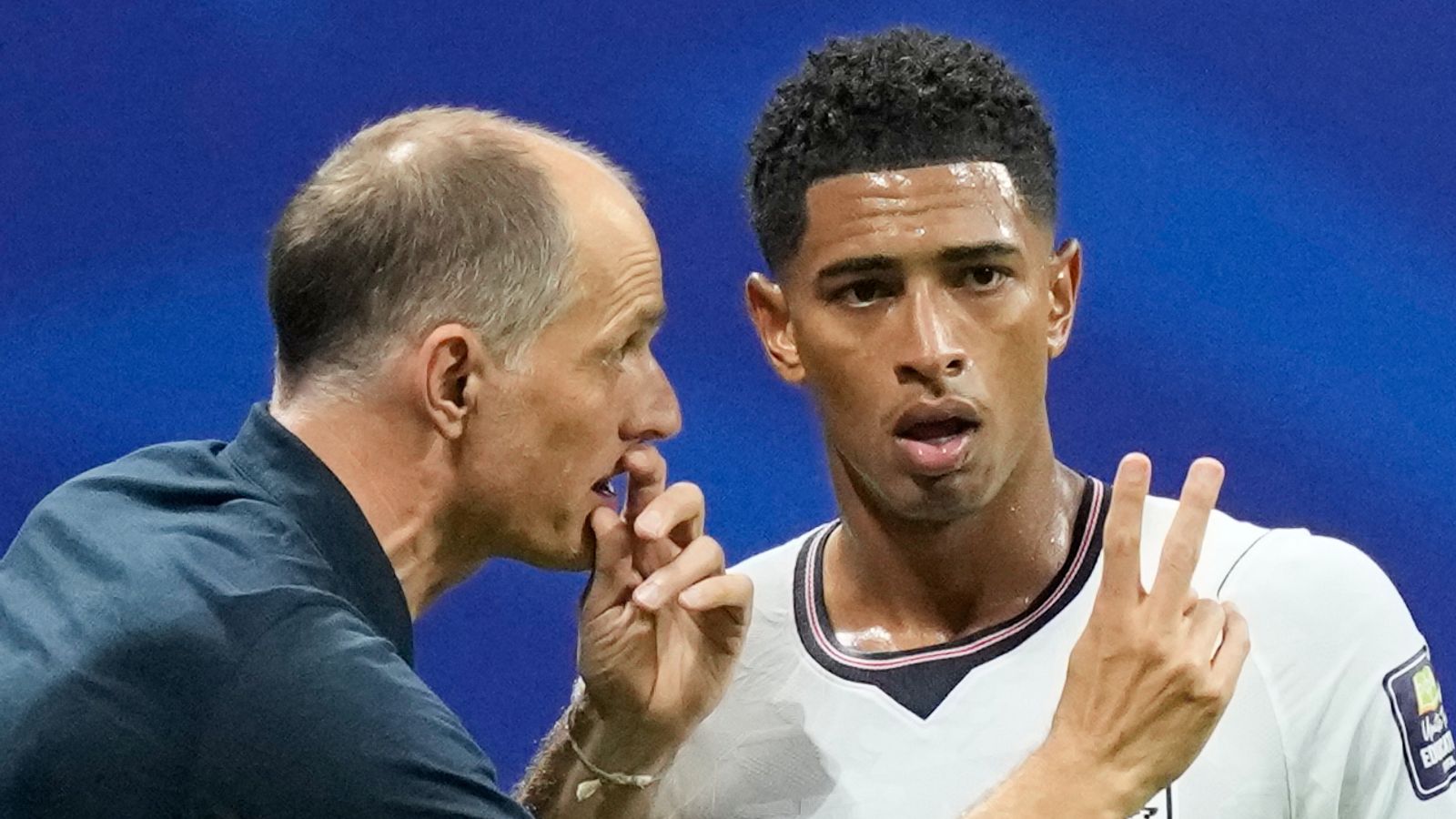
The Konsa gamble that destroyed England
England’s World Cup semi-final exit was not a case of bad luck. It was a failure of management. When Thomas Tuchel pushed for a proactive shift by inserting Ezri Konsa into a back-three configuration, the structural integrity of the side evaporated instantly.
Analysing the broadcast tape post-substitution, the space between the midfield pivot and the defensive line expanded by roughly 12 yards within six minutes. Argentina’s transition game identified the vacuum immediately. They began feeding balls into the channels that didn't exist prior to the change. As Sky Sports noted, the familiar failings of the Three Lions resurfaced the moment the tactical setup shifted, effectively handing the knockout blow to an opposition that had been struggling for rhythm.
Possession metrics that lie to your face
Possession metrics are a trap for the ill-informed. England controlled 62% of the ball, yet they managed a pathetic 0.42 xG during the opening 45 minutes. They passed the ball in circles while Argentina maintained a compact, low-to-mid block that required zero defensive adjustment.
We saw this same regression earlier this tournament in previous matches where England lacked cutting edge. Bellingham was repeatedly isolated at the top of the press, chasing shadows while his teammates held a high line with no pressure on the ball carrier. It is baffling that a side with this much individual quality remains incapable of executing a coherent high-press for more than 20 minutes of any given game.
The fracture in the tactical identity
Jude Bellingham has been marketed as the solution to every positional problem, yet Tuchel used him like a blunt instrument. By the 74th minute, Bellingham was effectively left to initiate the press solo, leaving the midfield vacated.
If you look at the heat maps from that final half-hour, the central corridor is a graveyard for England. There is no recovery pace in the starting XI to handle a quick transition if they lose the ball high. Tuchel’s insistence on keeping a narrow, packed midfield only makes the team more liable to getting carved open by wide wingers. It is a rigid, stubborn approach that clearly failed the squad when they needed fluidity, not forced symmetry.
Final prognosis for the post-Tuchel era
The writing is on the wall for this specific iteration of the Three Lions. They lack the intelligence to recognize when a tactical adjustment is actively hurting them in real-time. They aren't just losing games; they are losing their tactical identities because they cannot sustain the intensity demanded by the manager's philosophy.
My prediction? England will continue to underperform until they abandon the desire to impose a high-possession game that lacks a secondary plan. They spend too much time on the ball and not enough time creating dangerous shots. Expect more of the same mediocre quarter-final or semi-final exits until the coaching staff prioritizes verticality over sterile retention of the ball. They are currently playing 20th century football with 21st century athletes, and until that changes, the trophy cabinet stays empty.
Read Next
- Thomas Tuchel's tactical rigidity cost England their biggest chance
- Thomas Tuchel's England selection dilemma: The tactical gamble ahead of Argentina
- Why England's transition speed will break Argentina's World Cup dream
- England faces the ghost of 1998 in a grudge match that stays personal
- 🏆 World Cup 2026 — Full Coverage Hub
- 🏴 England World Cup 2026 — Three Lions Hub






