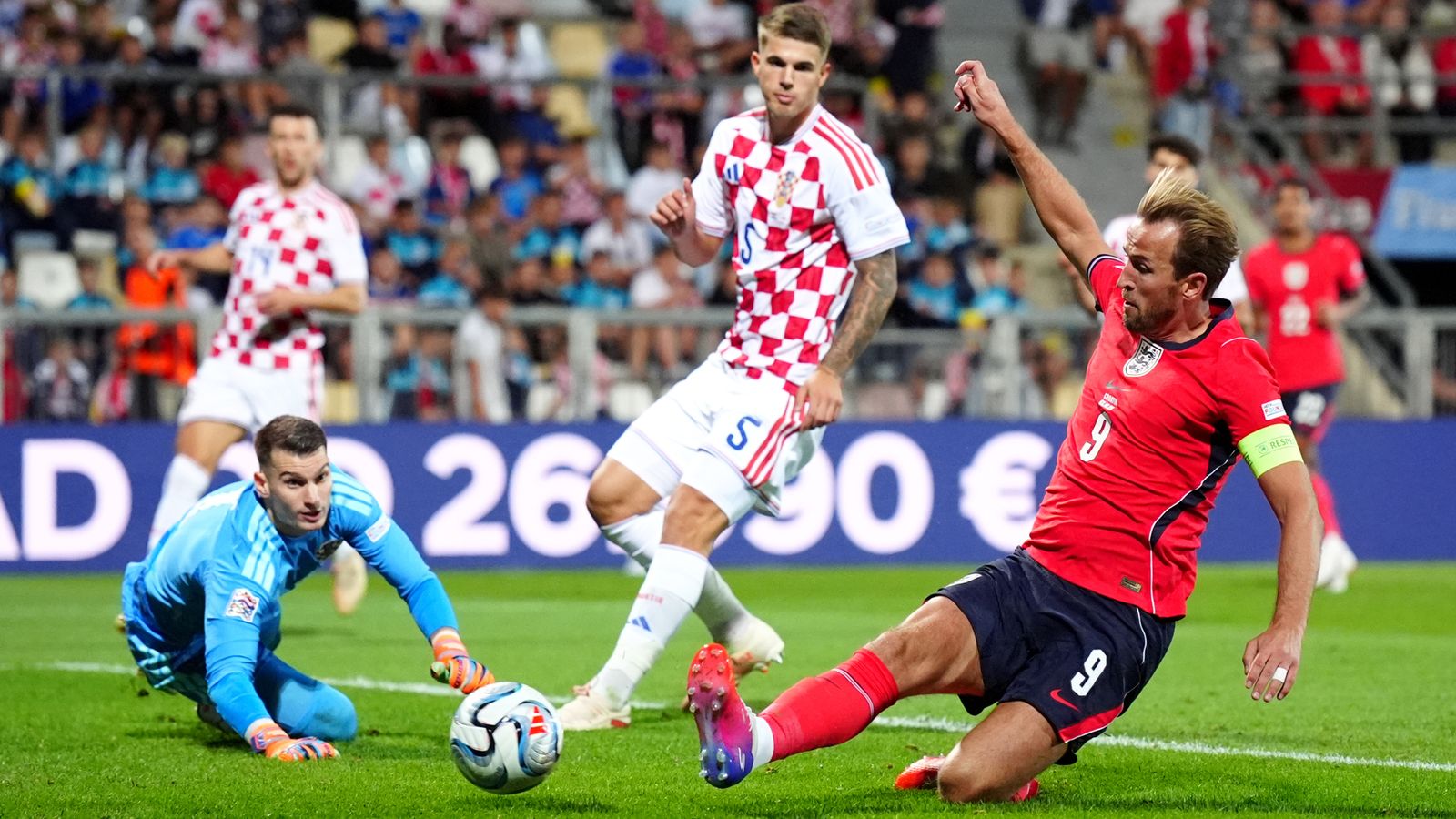
Tactical rigidity meets elite expectations
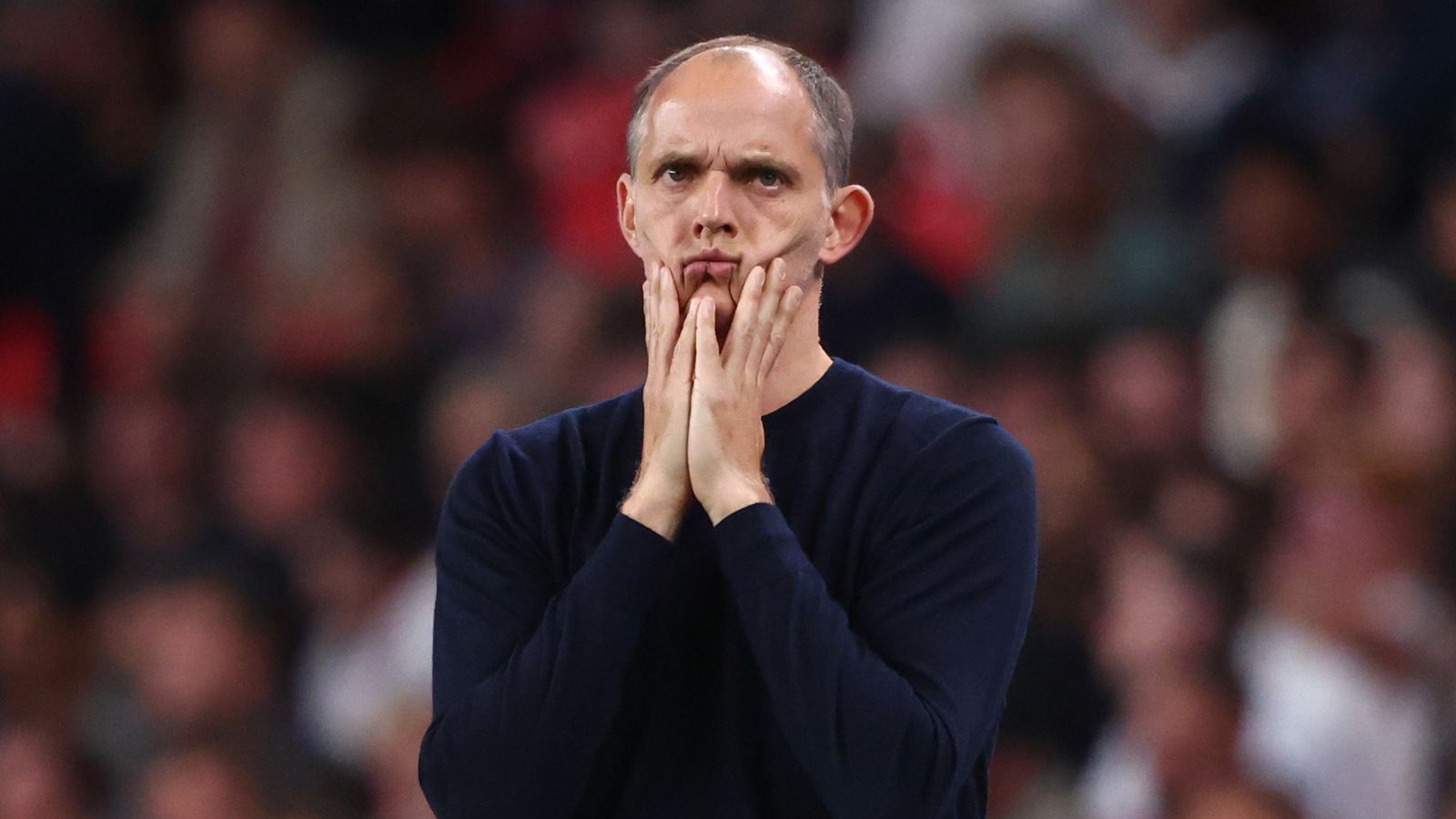
England’s recent tournament output has been defined by a conservative obsession with structural protection. As Sky Sports readers noted, the divide between individual brilliance and cohesive play under Thomas Tuchel continues to frustrate the fanbase. It feels like we are watching a manager tinker with a Ferrari when he really just wants to build a tank.
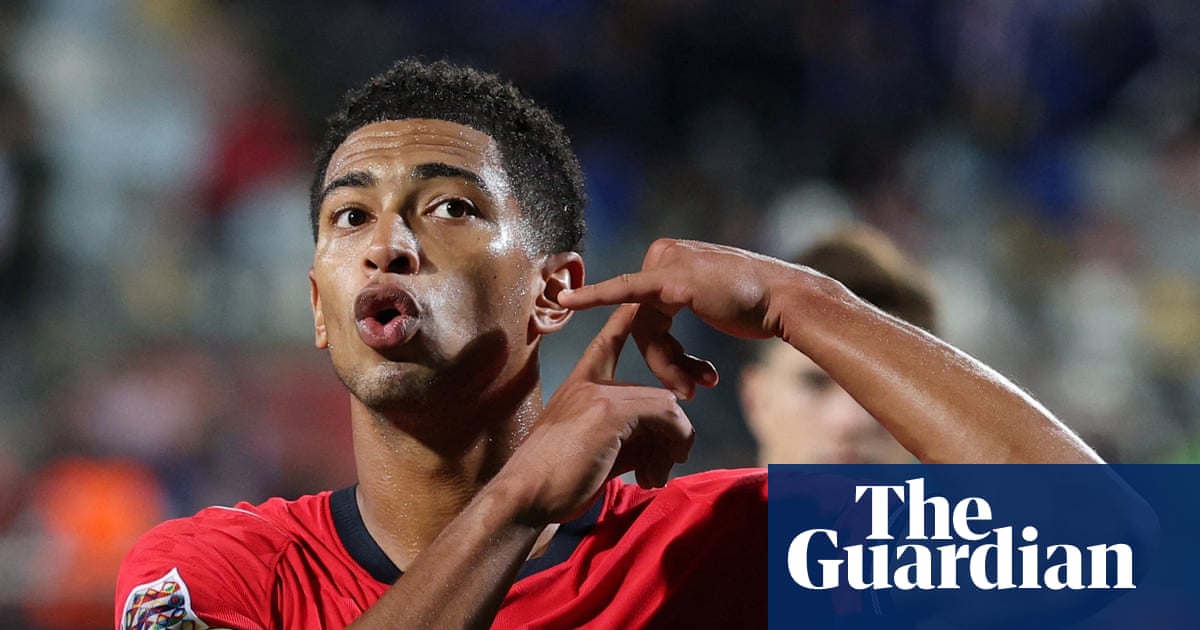
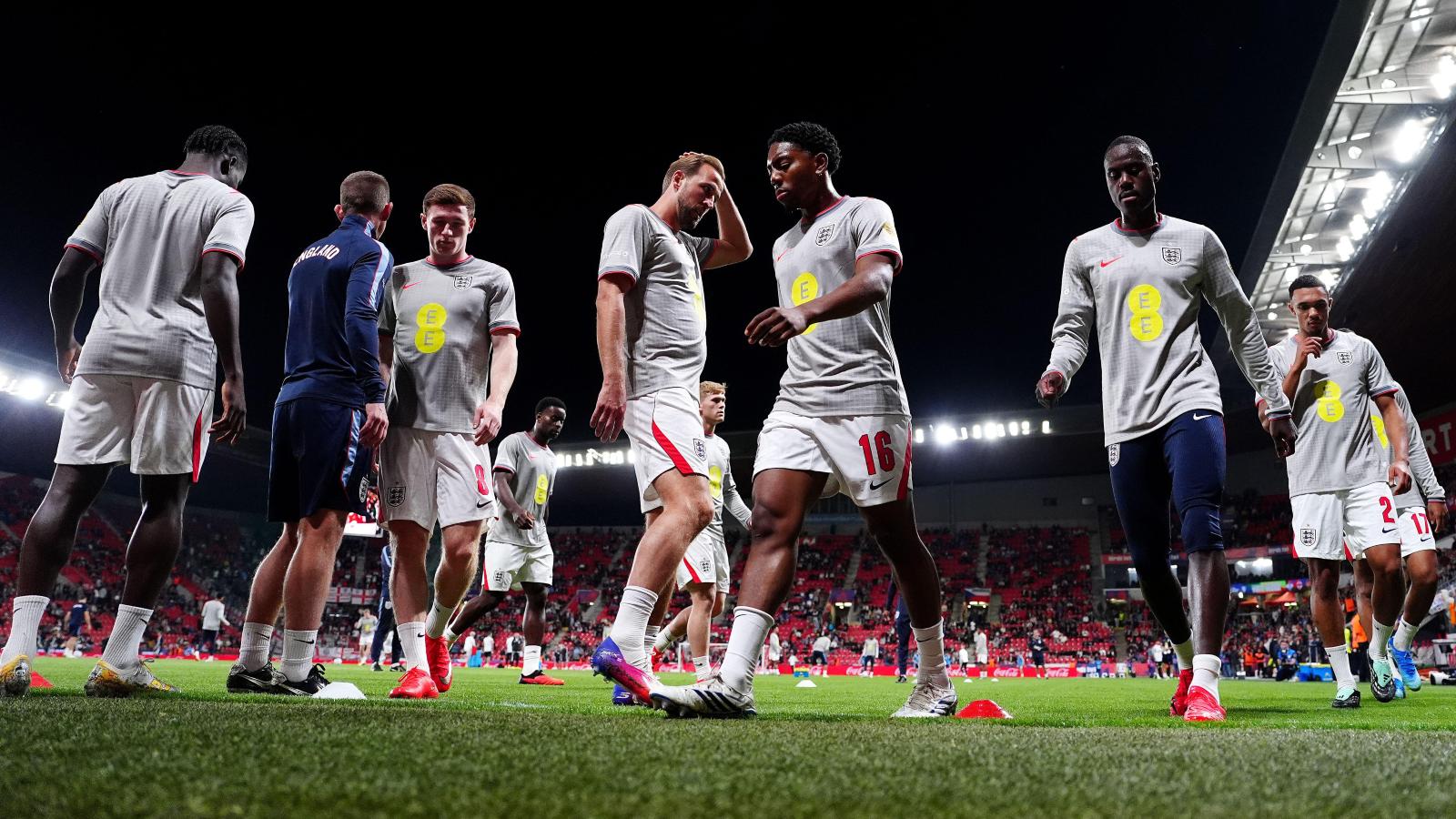
Tuchel’s insistence on a double pivot in midfield against lower-tier opposition during the qualifiers has been statistically underwhelming. His system relies on suffocating the half-spaces, but it consistently starves the frontline of progressive passing lanes. When you have top-tier creative talent sitting on the bench, playing with two defensive anchors is a stylistic dead end.
The creative bottleneck in midfield
Looking at the data from the last six international fixtures, the conversion rate from final-third entries to actual shots on target is down 14% compared to the peak Southgate years. Tuchel wants control, but he is getting stagnation. The players look like they are checking their watches instead of hunting for gaps.
The lack of tempo prevents England from dismantling low blocks. Opponents have clocked the pattern: pack the middle, let England cross the ball into a crowded box, and wait for the counter. It is a predictable cycle that yields zero hardware. Expect this trend to persist until Tuchel stops optimizing for damage limitation.
Predicting the Euro 2028 trajectory
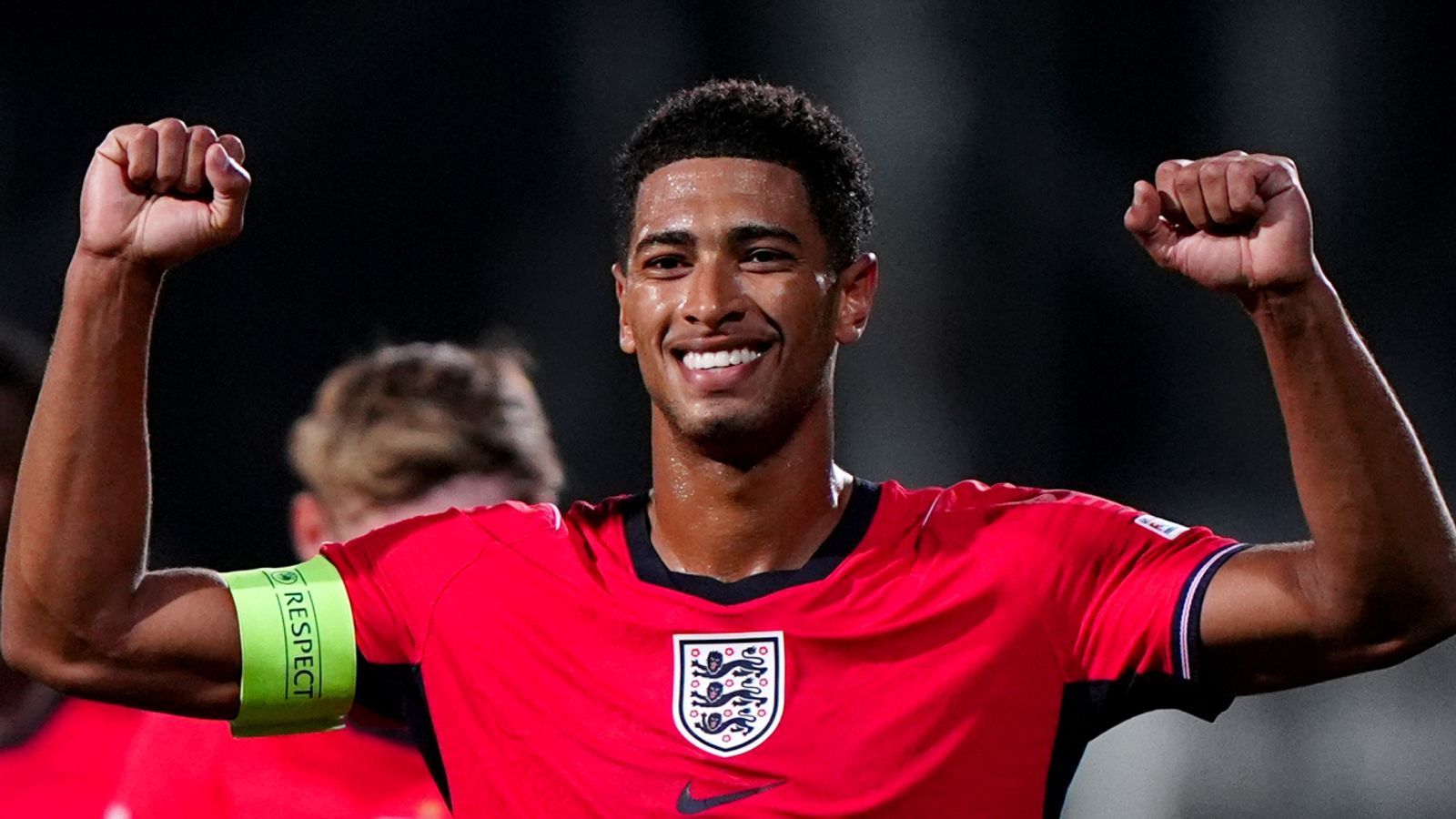
The upcoming cycle for the continental tournament looks gloomy if the current tactical trajectory holds. You cannot win major honors by playing keep-away with your own attackers. Managers at the elite level need to empower their playmakers rather than constraining them within rigid positional parameters.
My take? England will likely exit at the quarter-final stage in 2028. They will dominate possession, hit 68% territory control, and fail to generate more than five high-quality chances per game. It is a classic case of a manager fighting his squad's inherent strengths. Unless there is a fundamental shift in philosophy by the autumn friendlies, we are staring at another tournament of unfulfilled potential.
The divide between individual brilliance and cohesive play under Thomas Tuchel continues to frustrate the fanbase.
The defensive discipline is technically impressive, but it misses the point of modern international football. You don't need a bunker; you need mobility and risk-taking. England has the raw materials, but the current management is intent on keeping the engine in first gear. It is an expensive waste of a golden generation.
Read Next
- England's chaotic bronze medal win exposes the limits of Thomas Tuchel
- Gary Lineker is looking too far ahead with England's 2028 projections
- Gary Lineker is jumping the gun on England's Euro 2028 prospects
- Argentina's World Cup hangover won't end with a bank holiday
- 🏴 England World Cup 2026 — Three Lions Hub