
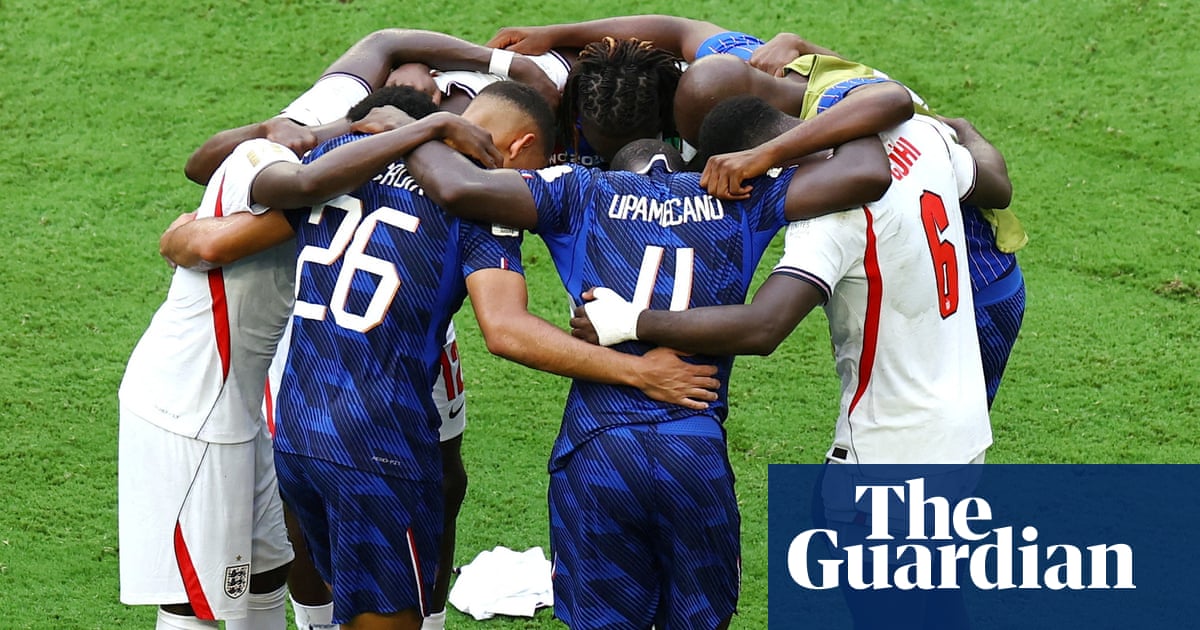
Tactical evolution in the Miami heat
England’s 6-4 victory over France in the third-place playoff wasn't just a high-scoring anomaly; it was a masterclass in exploiting defensive transitions. Thomas Tuchel appears to have settled on a fluid, high-pressing structure that finally liberates Bukayo Saka in central pockets rather than pinning him to the touchline.
By drifting inward, Saka created an overloading issue for the French backline that Theo Hernandez simply couldn't track. The hat-trick he secured against a disjointed French press provided the statistical weight to justify Tuchel’s risky 3-4-2-1 formation. Scoring six goals against a team of France's pedigree serves as a firm endorsement of the aggressive, vertical passing lanes Tuchel has implemented.
The defensive cracks remain visible
Despite the offensive flair, the structural integrity of the back three remains questionable. Conceding four goals in a single match reveals a concerning lack of defensive discipline during defensive transitions. The central defenders looked exposed whenever the French midfield bypassed the initial press, with the team losing their shape in the 42nd minute when Aurélien Tchouaméni found too much space to distribute.
Tuchel’s insistence on playing a high defensive line works when the offense is clicking, but it places immense pressure on the wing-backs to recover. If England hopes to evolve into genuine tournament favorites for the next cycle, they need a midfielder who can screen the defense more effectively. The current setup focuses on volume, not efficiency.
Predicting the path forward
The epic performance in Miami proves that England has finally shed the suffocating conservatism that plagued their previous campaigns. The team is clearly more comfortable taking risks, abandoning the negative tendencies that saw them struggle in the latter stages of 2024.
Expect Tuchel to persist with this high-variance style regardless of the defensive fallout. The goal differential in this match highlights a shift in identity: England is willing to win 6-4 rather than settle for a sterile, controlled draw. As the squad enters the next qualification phase, this aggressive approach will likely be their default setting, for better or for worse.
Moving forward, the primary challenge will be integrating younger defensive prospects who can handle the speed of elite international counters. If the midfield fails to protect the transition lanes, the record of 6-4 will just be a colorful footnote rather than a catalyst for long-term dominance. I predict England will dominate early qualification opponents by high margins while continuing to struggle against sophisticated tactical setups that can exploit the space behind their wing-backs.
Read Next
- Thomas Tuchel's stock hits record high following England's World Cup run
- Thomas Tuchel must fix England's structural identity crisis
- Thomas Tuchel faces a final litmus test against France
- Enzo Fernández is the tactical pivot Chelsea cannot afford to lose
- 🏴 England World Cup 2026 — Three Lions Hub





