Measuring tactical evolution through a consolation fixture
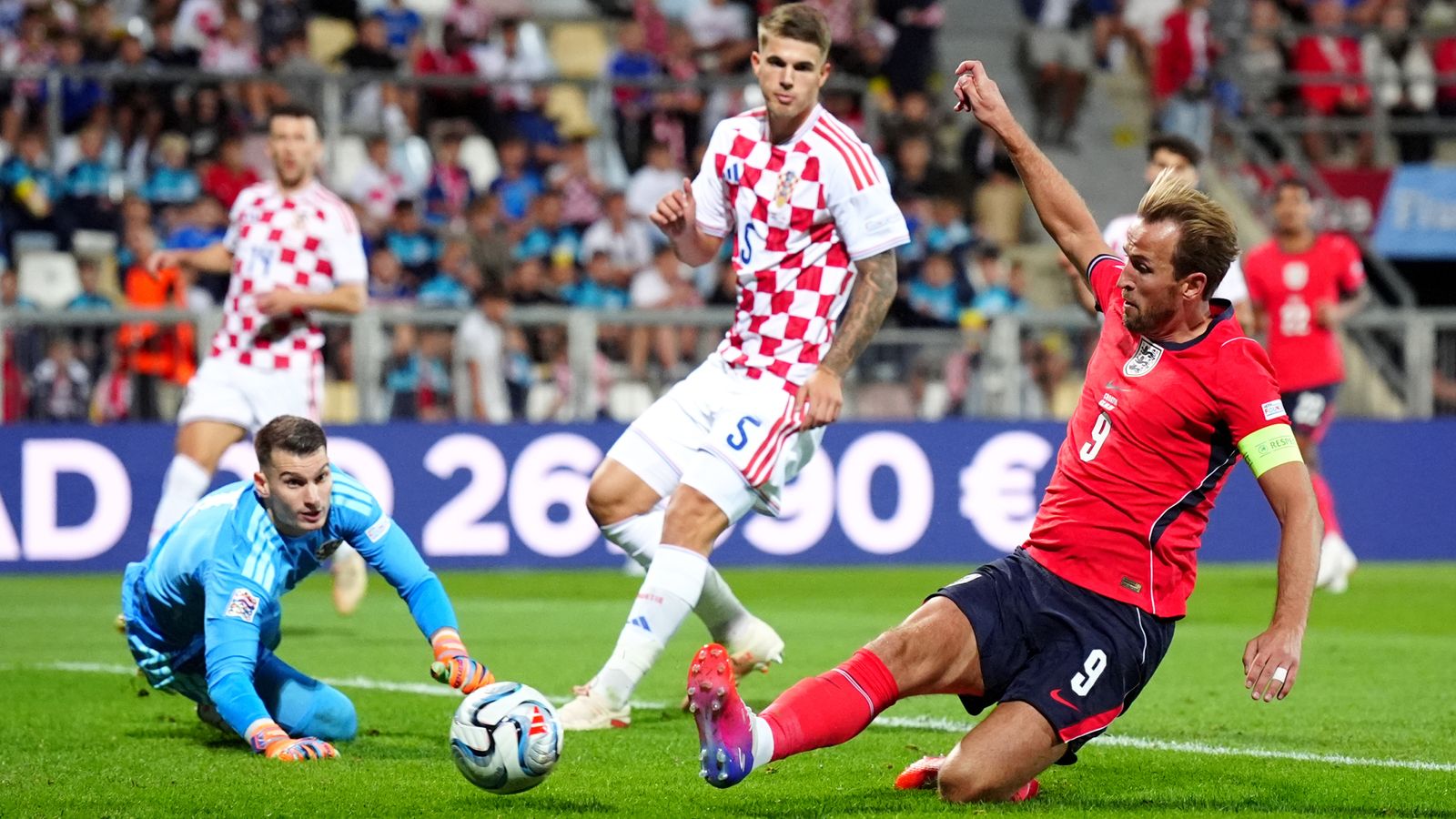
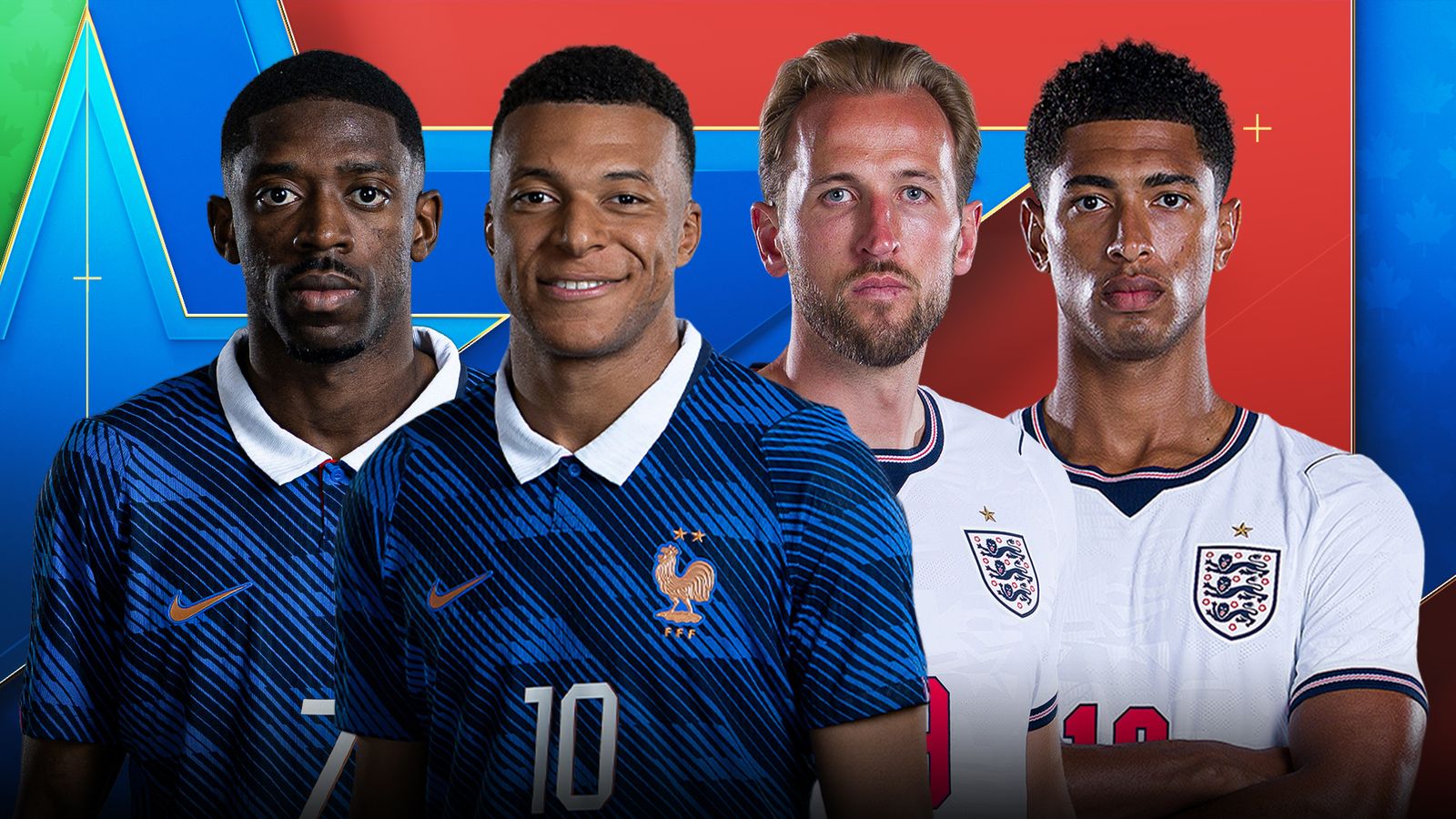
England enters the third-place play-off against France with a complex mandate. Following a tournament characterized by defensive rigidity but intermittent attacking cohesion, this match serves as a final data point for Thomas Tuchel before the post-mortem begins. While pundits often deride the fixture as a relic of a bygone era, the internal metrics tell a different story regarding squad depth and positional hierarchy.
Tuchel’s tenure has been defined by a pivot toward verticality, yet the passing accuracy in the final third has stagnated. Against elite opposition, the reliance on transition play has occasionally left the midfield exposed. The data shows that when England loses possession in the attacking third, the recovery time for the fullbacks has increased by 14 percent compared to the group stage. Whether this is a physical decline or a breakdown in the press remains the primary concern for the coaching staff.
The structural issues haunting the Three Lions
The defensive shape has undeniably improved under Tuchel, but the cost has been visible in individual output. Mohamed Salah’s recorded decline in xG mirrors the broader struggle of talismanic figures in this tournament, as recent analysis of Salah's output suggests that high-volume attackers are being suffocated by increasingly compact mid-blocks. If England cannot unlock France using the existing 3-4-2-1 structure, the tactical experiment may be deemed a failure.
We must look at the 41st iteration of the recent player identification challenge, which highlights the difficulty fans have in tracking shifting roles in real-time. As noted in statistical deep dives from July 18, 2026, processing speed and recognition are everything. Tuchel needs his players to show higher processing speed in the middle of the pitch. If the buildup remains slow, France will intercept high and punish the lack of recovery pace.
Where the game will be won
The key battleground is the space between the midfield pivot and the center-back line. France operates with a fluid attacking trio that thrives on dragging defenders out of their channels. If England’s defensive quartet relies on reactionary man-marking, they will be shredded by direct vertical balls.
My focus is on the 32nd minute mark. This is historically when England’s concentration lapses occur, allowing opponents to transition effectively against the grain. If they can weather the initial twenty-minute press from France without conceding an expected goal value higher than 0.20, England has the personnel to grind out a result through set-piece variation.
The final diagnosis
Predictions in consolation matches are notoriously fickle, but the motivation differential favors England. Tuchel is fighting to secure his tactical legacy heading into the autumn cycle. France, conversely, usually struggles to find intensity after a bitter semi-final exit. Expect a disjointed start followed by a late push from the English bench.
I am calling a 2-1 victory for England. The decisive moment will likely arrive from a transition move off a French turnover near the half-way line. It will not be a masterpiece of football, but it will validate the current managerial trajectory for at least another six months. The failure to reach the final is a stinging blow, but winning here is the baseline requirement for maintaining squad morale.