The Atlanta semi-final proved the point
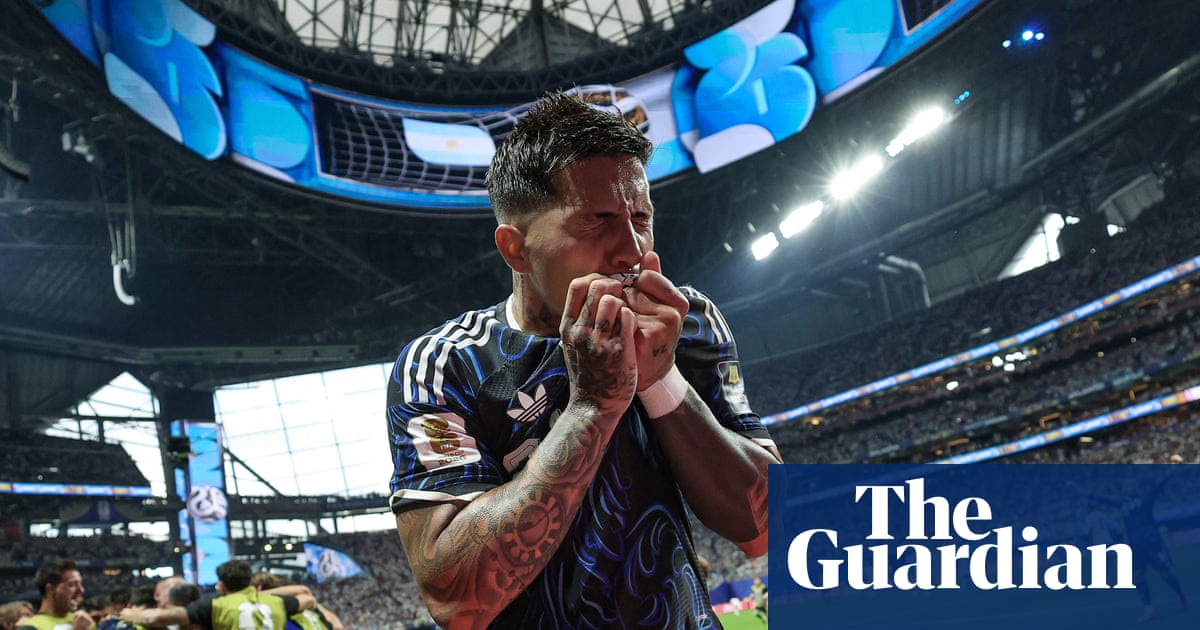
Wednesday night in Atlanta was a masterclass in controlled aggression. Enzo Fernández dictated the tempo against England with a technical efficiency that reminded Stamford Bridge exactly why Chelsea sanctioned a £120m fee to bring him to London. His equalizer was not merely a goal; it was a physical manifestation of the space he creates by dragging defenders into blind spots.
While the broader discourse fixates on late-match friction between Jude Bellingham and Valentin Barco, the real story resides in Fernández’s transition play. He played with a blend of style and spite that defined Argentina’s path to the final. His ability to hit diagonal balls into the channels remains highly disruptive to organized defensive lines.
The Alonso transition is already underway
Life under Xabi Alonso has begun in the quietest way possible, far removed from the glare of international tournament headlines. A 1-0 closed-door friendly victory against Crawley Town last Saturday might feel pedestrian compared to a World Cup semi-final, yet it highlights the work Kieran Gill documented regarding the new arrivals' integration. Alonso is clearly testing structural discipline early.
This is where the conflict arises. Elite managers desire players who fit rigid positional profiles, and Fernández is a distinct breed of individualistic playmaker. If his future at the Bridge remains in flux, it is because suitors in Madrid are circling, sensing that a player of his profile might be surplus to an Alonso-led setup prioritizing verticality over roaming.
Defensive fragility underpins the chaos
England’s exit was not just bad luck; it was a symptom of their recurring inability to handle aggressive press triggers. Anyone who watched the 6-4 thriller against France earlier in the competition knew Anthony Barry’s defensive unit was a powder keg. Argentina simply turned the dial a notch higher, forcing turnovers that led directly to their high shot-on-target count.
My skepticism regarding the Chelsea project remains focused on the backline. If Alonso chooses to favor athleticism over the creative pivot role Fernández provides, the team will lose its primary engine. Relying on a carousel of midfielders to replace that output is a recipe for the same uncertainty currently plaguing his contract renewal. They haven't replaced his vision in any controlled testing environment yet.
The verdict on the road ahead
The Argentine camp might be enjoying the fallout from the Bellingham-Barco altercation, but for the Chelsea hierarchy, the stakes are higher. You do not move on a talent of this magnitude unless you have a tactical replacement who can replicate his xG contribution from deep-lying positions. My prediction: Alonso retains him for at least another season to serve as the team's primary conductor. Selling him on the back of his current tournament performance without a ready-made successor would be a catastrophic error of judgment.