The messy math behind football's biggest individual trophy
If you have spent any time in a group chat during a World Cup, you know exactly how this goes. Someone inevitably asks if the third-place play-off actually counts toward the Golden Boot race. Let's get the record straight because the rules are simple but people love to complicate them.
Every match played in the tournament counts. That includes the quarter-finals, the semi-finals, and yes, that weirdly competitive consolation game nobody asked for. If a player bags a hat-trick in the third-place play-off, those numbers go directly onto their stat sheet for the Golden Boot.
The goal difference tie-breaker madness
FIFA keeps it straightforward regarding ties at the top. If two players finish with the same number of goals, we look at the number of assists. If that remains locked, we look at who played the fewest minutes. It is a harsh way to settle a career-defining award, but it provides closure.
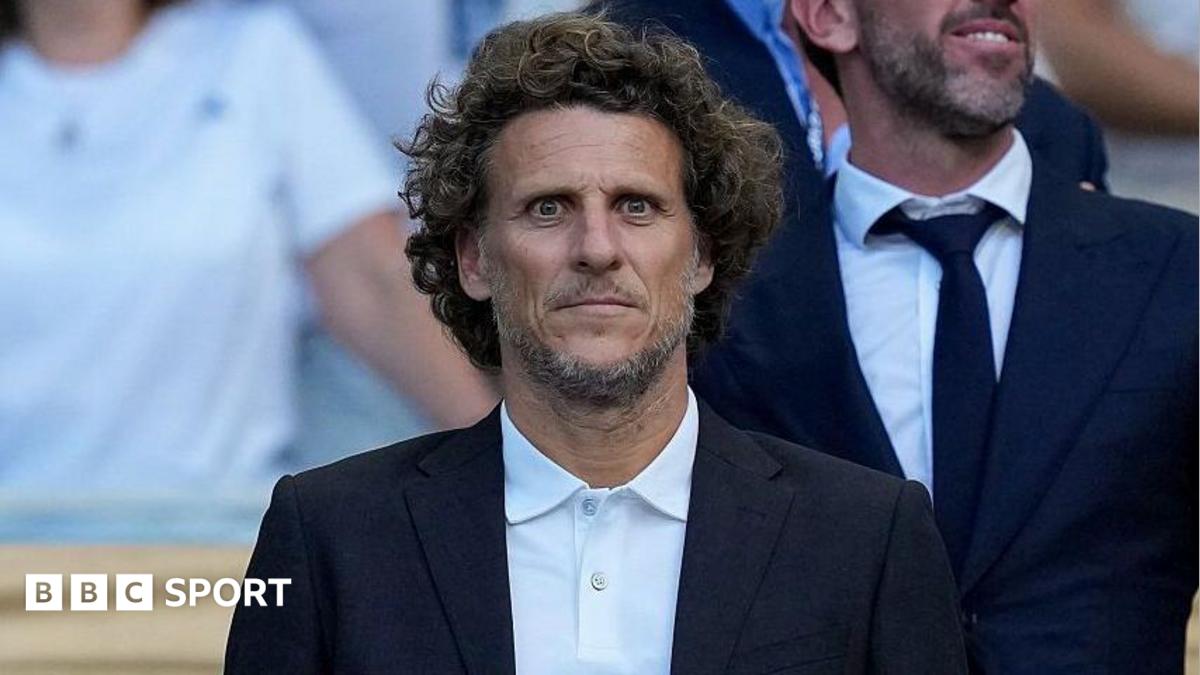
Think back to 2010. Thomas Müller took home the trophy despite being tied with David Villa, Wesley Sneijder, and Diego Forlan. Müller had three assists. Villa had one. That is the 3-1 mathematical split that settled the debate in South Africa. It was ruthless, efficient, and entirely objective.
Why the play-off stats matter more than you think
Players often treat the third-place game like an exhibition, but the history books do not care about the lack of intensity. When BBC Sport recently analyzed the history of these awards, the conclusion was inescapable. Those matches are official competitive fixtures.
There is a recurring argument from purists that the third-place match should be excluded because it lacks the stakes of a final. That is a sentiment rooted in nostalgia, not reality. If we started filtering out matches based on perceived importance, we would lose credibility in tracking total output.
The biggest flaw in the current system
The real issue is not the inclusion of the game, but the lopsided nature of tournament brackets. A player in the final plays seven games. A player whose team loses in the group stage or round of 16 has zero path to compete at that level. Luck of the draw creates a natural bias that no amount of stat-crunching can fix.
Furthermore, the assist tie-breaker feels dated in 2026. We track xG and progressive carries now, yet we still rely on primary assists to split the tie. It works, but it feels like using a rotary phone to send a text message. It gets the job done while looking slightly ridiculous.
Looking at the legacy of the Golden Boot
Ultimately, the trophy tracks volume and efficiency. Does it capture the best player? Not always. Does it capture the player who got on the end of the ball most often in matches that counted? Absolutely. Don't be the guy in the comments demanding asterisks for goals scored in non-final games.
If you want to understand the history of this trend, the numbers stay consistent. Whether it is 1986 or 2026, the logic remains the same. Count the goals, count the assists, and look at the clock. Everything else is just noise.
Read Next
- Stop lying to yourselves about who is winning the World Cup
- Top 10: Defining Moments in Modern Football
- Top 10: Defining Moments of the 2026 Season
- Top 10: Definitive Football Moments of 2026
- 🥇 World Cup 2026 Golden Boot — Top Scorer Predictions
- 🏆 Premier League Golden Boot 2025-26 — Top Scorer Race Hub