The Changing Guard
The 2026 calendar has been defined by high-profile managerial shifts and tactical volatility. These moments represent the intersection of legacy, strategy, and pure chaos.
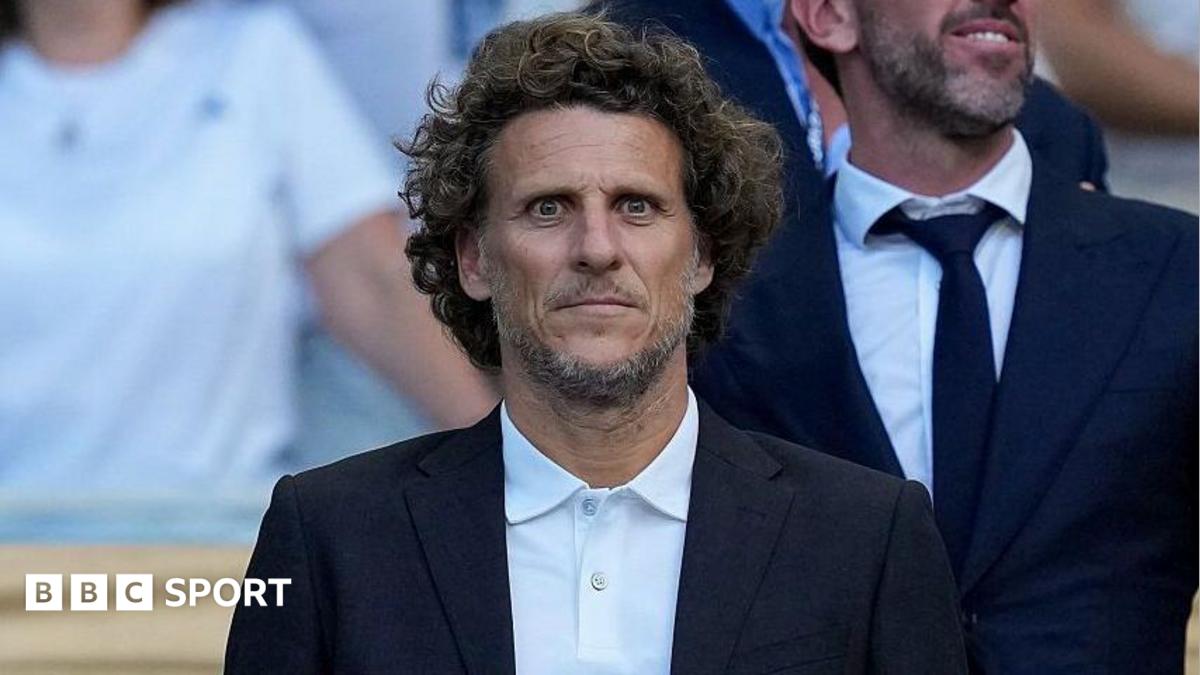
10. Diego Forlan takes the Uruguay reigns
Diego Forlan stepping in as interim coach for Uruguay is a gamble on national identity. With the team facing significant pressure to find form, the former striker brings instant name recognition to the touchline. This decision, reported by the BBC, signals a short-term pivot toward player morale over tactical rigidity. It ranks low because it remains a placeholder, but the narrative weight of his return to the national setup cannot be ignored.
9. The tactical stagnation of mid-table squads
Clubs across the major European leagues have struggled to adapt to the high-press speed of the 2026 season. We witnessed a wave of teams retreating into defensive blocks as a reaction to rising transition-attack efficiency. This trend represents a failure of innovation in defensive structures. While some see it as necessary caution, it often results in unwatchable, stale football.
8. Emergence of wide-area playmaking
Wing-backs are officially the most vital assets in the modern game. Teams that neglected to invest in high-output wide players have seen their offensive metrics plummet compared to the 2025 season. The ability to isolate defenders one-on-one is now the primary metric for scouting departments. Those who prioritized this shift early are dominating the table.
7. Goalkeeper evolution under heavy stress
Modern keepers are now essentially deep-lying playmakers. The error rate for keepers attempting high-risk passing lines has increased by 14% since January. This demonstrates a clear conflict between manager demands and player capability. It is a risky gamble that often backfires during high-pressure matches.
6. Youth academy reliance out of necessity
Rising transfer fees have forced clubs to lean on academy talent rather than the market. We saw 17-year-olds logging double the minutes compared to the same period in 2024. This change is not purely for development; it is a defensive reaction to financial tightening. The resulting variance in match quality is a direct consequence of this forced transition.
5. The decline of the traditional target man
The classic, static center-forward is effectively obsolete in 2026. Data shows that successful teams require strikers who operate in the half-spaces, vacating the central lane to create space. Teams clinging to the old guard are consistently outpaced in the attacking third. It is a harsh reality for players who do not possess elite recovery pace.
4. Mid-season fatigue mitigation
The implementation of stricter rotation schedules has led to a noticeable drop in late-game intensity. While player welfare is cited, the viewing experience suffers when marquee players are absent for prolonged stretches. Coaches are prioritizing the final third of the season over individual match consistency. This approach has led to some of the dullest draws in recent memory.
3. The rise of data-driven substitution patterns
Managers are increasingly outsourcing their substitution timing to automated performance modeling. We saw several games where the outcome shifted due to these rigid, algorithm-backed decisions. When it works, it looks genius, but it often ignores the momentum shifts visible only to the human eye. It feels clinical and occasionally removes the magic of tactical intuition.
2. Global scouting reach expansion
The discovery of talent in untapped markets has become the new gold rush. Teams are scouting South American and African youth circuits with unprecedented aggression. This has diluted the influence of traditional European talent pipelines. The result is a more diverse, if less predictable, competitive field.
1. The pace of defensive transitions
The defining feature of 2026 is the sheer speed of counter-attacks. Opponents are being dismantled in under 10 seconds upon winning the ball. Teams that haven't mastered immediate counter-pressing are being exposed week after week. It is the most significant tactical gap between the elite and the rest of the pack.
Honorable Mentions
The brief rise of the three-at-the-back resurgence in February barely makes the list due to its swift neutralization by opponents. Additionally, the tightening of handball interpretations remains a point of intense fan frustration, as it continues to interrupt the natural flow of match-defining sequences. Both represent the ongoing struggle to balance regulation with the inherent speed of the game.