The benchmarks of a volatile year
The 2026 football calendar has been defined by rapid tactical shifts and high-stakes collapses. These ten moments represent the turning points where legacies were built and coaching tenures were sabotaged.
The Ranking
10. Vrancken debuts with a defensive collapse
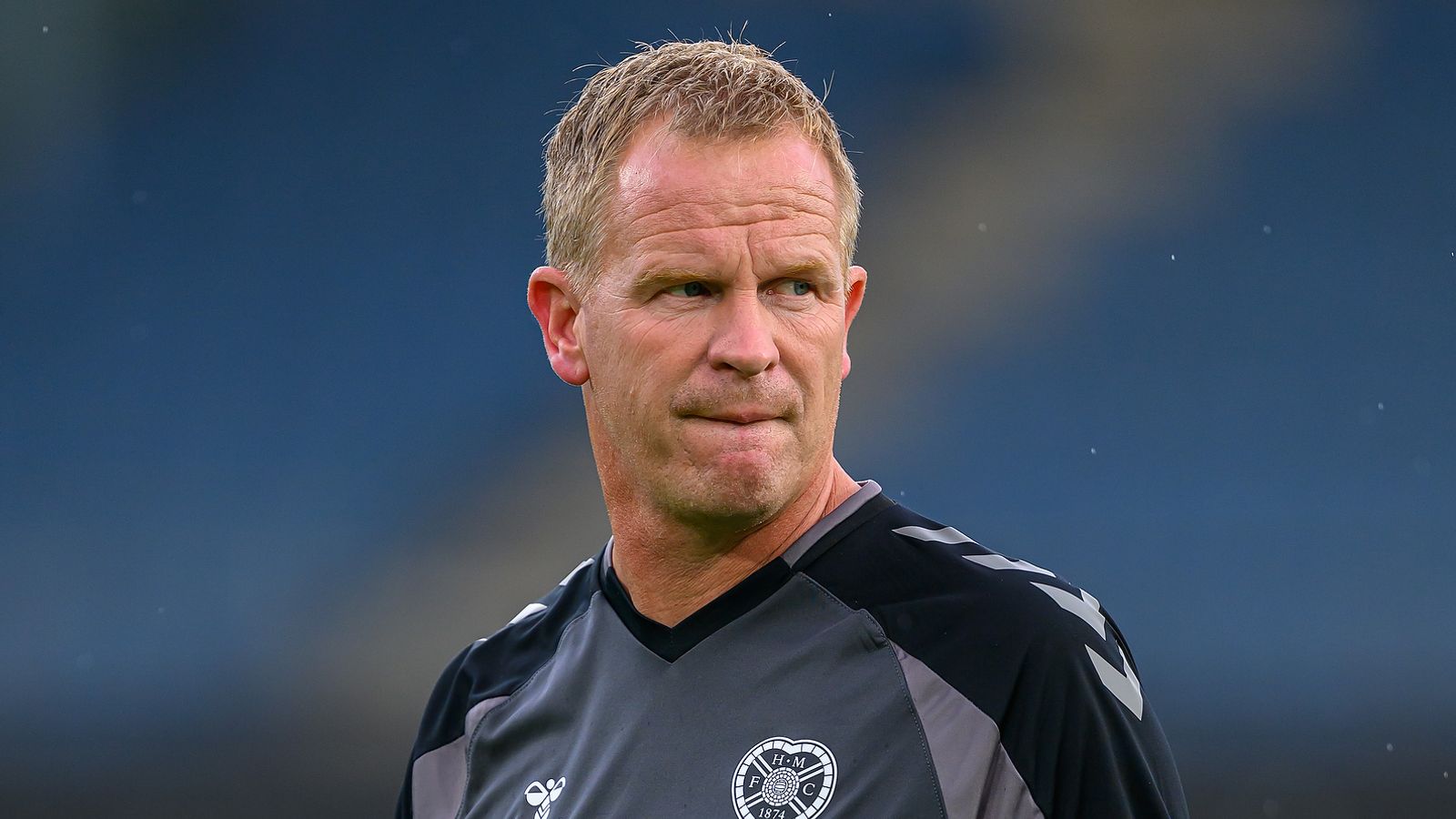
Hearts arrived in Graz hoping to make a statement in the Champions League qualifiers. Instead, they delivered a tactical masterclass in how to concede space. The Hearts Champions League defeat against Sturm Graz left manager Vrancken exposed. His high line was shredded by simple through-balls before the 30th minute.
9. The emergence of the tactical low-block
Mid-table clubs successfully stifled title contenders throughout the spring by abandoning possession metrics entirely. Teams surrendered 70 percent of the ball, forcing elite attackers to grind against 11 men in the box. This trend turned 0-0 draws into the most common scoreline across European top-flight leagues.
8. Strategic squad rotation failures
Several managers attempted to manage fixture congestion by resting core stars during pivotal mid-season weekends. The strategy backfired as reserves failed to replicate the intensity of the starters. Clubs dropped a collective 14 points across three gameweeks due to this overly optimistic bench reliance.
7. The VAR communication breakdown
Professional leagues faced mounting pressure as audio transcripts revealed officials struggling to communicate basic offside decisions. Confusion peaked when a goal was awarded despite the linesman flagging for three seconds. Fans are tired of the uncertainty, and the current delay tactics are actively draining the game of its momentum.
6. The injury crisis in defensive midfields
An alarming spike in soft-tissue injuries disrupted the rhythm of half the league leaders by March. Star holding midfielders were sidelined for an average of six weeks, forcing teams to play reckless, imbalanced 4-4-2 formations. The depth of these squads was simply not addressed in the preceding transfer windows.
5. The surprise tactical shift at Anfield
Liverpool stunned rivals in late spring by shifting to a 3-back system mid-game to chase a deficit. The move looked desperate for 15 minutes before the front three found space between the lines. It was a gamble that barely paid off, but it proved that rigid tactical adherence is dying.
4. The resurgence of the direct counter-attack
While long-ball tactics were mocked for a decade, they returned with a vengeance this year. Teams realized that pressing high is useless if your center-backs cannot handle a 40-yard ball over the top. This efficiency accounted for 28 goals in high-profile matches against top-six opponents.
3. The breakdown of the home-field advantage
For the first time in recent history, teams performed significantly better on the road. The pressure of playing in front of critical home fans seemed to weigh on squads with younger rosters. Away teams thrived on the silence of frustrated stadiums, dictating the tempo from the opening whistle.
2. The late-season managerial sackings
Four clubs dismissed their managers in the final month of the campaign to spark a survival push. Only one hire actually resulted in a change of league standings. This frantic, short-term thinking remains the most embarrassing trend currently plaguing football ownership groups.
1. The collapse of the defensive iron-curtain
The league-wide trend of conceding high-probability shots from the edge of the area became laughable. Defensive structures that held firm in January crumbled as full-backs pushed too high to support the attack. It defined the season: high-scoring chaos over disciplined, collective efforts.
The Big Picture
Reflecting on this season reveals a sport struggling to balance modern tactical trends with basic structural integrity. The reliance on individual brilliance has arguably hit a new peak, yet the lack of defensive coordination remains the most jarring reality for any keen observer.
Honorable Mentions
The botched deadline day signings that yielded zero impact, and the sudden decline of set-piece specialists. Both highlighted how easy it is to throw money at problems without building a functional unit. We also cannot ignore the persistent officiating errors that continue to dominate every post-match conversation.