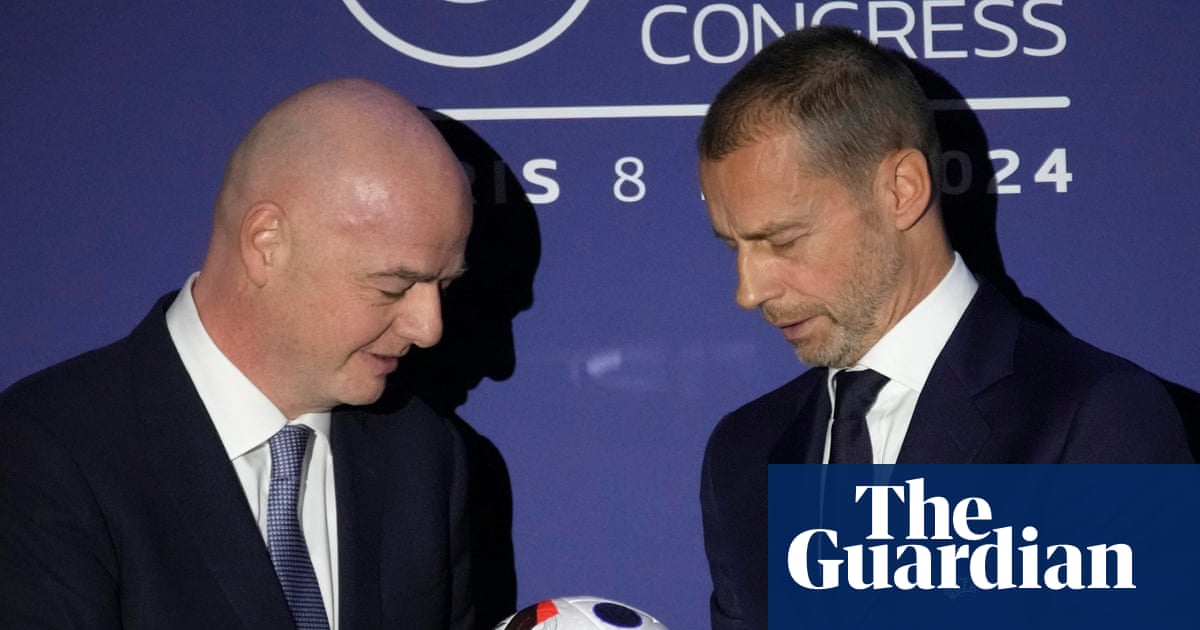
The FA finally saw through Infantino's cash grab — but don't call it a revolution

A rare line drawn in the sand
The English FA has finally decided that enough is enough. By joining Wales in withdrawing support for Gianni Infantino, the governing body has taken a public stand against FIFA's increasingly frantic financial engineering. The trigger was a botched, highly controversial proposal to sell off equity stakes in the World Cup itself—a plan so brazenly misjudged that even usually timid federation executives were forced to balk.
For years, FIFA's leadership has operated under the assumption that commercial expansion excuses any structural overreach. Yet Infantino's abandoned plot to turn international football's premier flagship tournament into a private equity instrument proved to be the tipping point. The pitch was simple on paper: monetize future tournament rights for an immediate liquidity surge. In execution, it was a reckless gamble on the long-term sovereignty of the global game.
When the Football Association of Wales first broke ranks, it was framed as a localized protest. Now that Wembley has aligned with Cardiff, the political landscape in Zurich has shifted from quiet discontent to open fracture. It is a rare moment of institutional pushback in an era defined by passive compliance.
The mechanics of a botched takeover
Infantino’s plan failed because it misread the room on basic sports governance. Selling stakes in the World Cup does not just inject capital; it cedes board-level influence to investment groups whose primary duty is return on capital rather than game development. When European federations examined the fine print, the trade-off became starkly unacceptable.
The mathematical math behind FIFA's expansionism has always relied on creating more inventory—more games, more teams, larger tournaments. But equity dilution is a completely different mechanism. By offering external investors a direct slice of World Cup revenues, FIFA threatened the revenue distribution models that sustain national associations. The FA’s withdrawal of support is less about moral high ground and more about protecting their own balance sheets from Zurich's aggressive revenue-capture strategies.
Consider how similar private equity interventions have played out across domestic leagues in Europe. Where external money enters, governance friction immediately follows. The English FA, already dealing with complex domestic broadcast negotiations and independent regulatory pressure at home, could not afford to endorse a global model that surrenders governance authority for short-term capital.
Tactical retreats and lingering authority
Although Infantino was forced to abandon the proposal, the political damage is done. The illusion of unanimous global backing has collapsed. Yet anyone expecting a sudden leadership change at FIFA fails to understand the geography of voting power in world football. European federations hold significant economic leverage, but they remain a numerical minority within FIFA's 211-member congress.
Infantino’s strength has always lied in his ability to consolidate support across Africa, Asia, and Oceania through expanded development grants and expanded tournament formats. Losing England and Wales is a major PR blow and signals deep discontent among traditional powerhouses, but it does not automatically unseat a president who has engineered a virtually impenetrable electoral base.
What this rift does achieve is an absolute stalemate over future commercial policy. As reported by The Mirror, the withdrawal of support comes directly on the heels of the abandoned equity scheme, proving that European block voting still retains veto power over radical structural changes.
Why this stand is only the first step
It is easy to applaud the FA for taking a stand, but skepticism remains necessary. Historically, European associations have grumbled about FIFA leadership before quietly returning to the fold when TV rights checks are distributed. Withdrawing formal support is a low-cost political gesture unless it is backed by structural opposition during congressional votes.
The test for the FA and the FAW will come during the next legislative cycle. Will they actively field or back an opposition candidate, or will this formal withdrawal melt into passive abstention? Without a coherent coalition of European and South American federations offering an alternative governance vision, Infantino will simply bypass London and Cardiff to consolidate power elsewhere.
The abandoned World Cup stake sale was a bridge too far, exposing a governance philosophy that views international football strictly as an asset to be leveraged. England and Wales have correctly identified the threat and called out the overreach. But in the ruthless arena of sports politics, identifying the flaw is only 10% of the battle—the remaining work requires building an alliance capable of forcing actual institutional reform.
Englund Premier League 2023-2024 Supporters Scarf
Classic stadium style to keep you warm during match days.
Frequently Asked Questions
Why did England and Wales withdraw support for Gianni Infantino?
What was the core goal of FIFA's failed World Cup equity proposal?
Why did European federations object to selling World Cup equity?
How does private equity impact football governance?
Why is a leadership change at FIFA unlikely despite the recent pushback?
More Coverage

FIFA's three-week September window is a tactical disaster waiting to happen
4 hours ago
Why the Premier League is ending automatic minute's silences
1 week, 2 days ago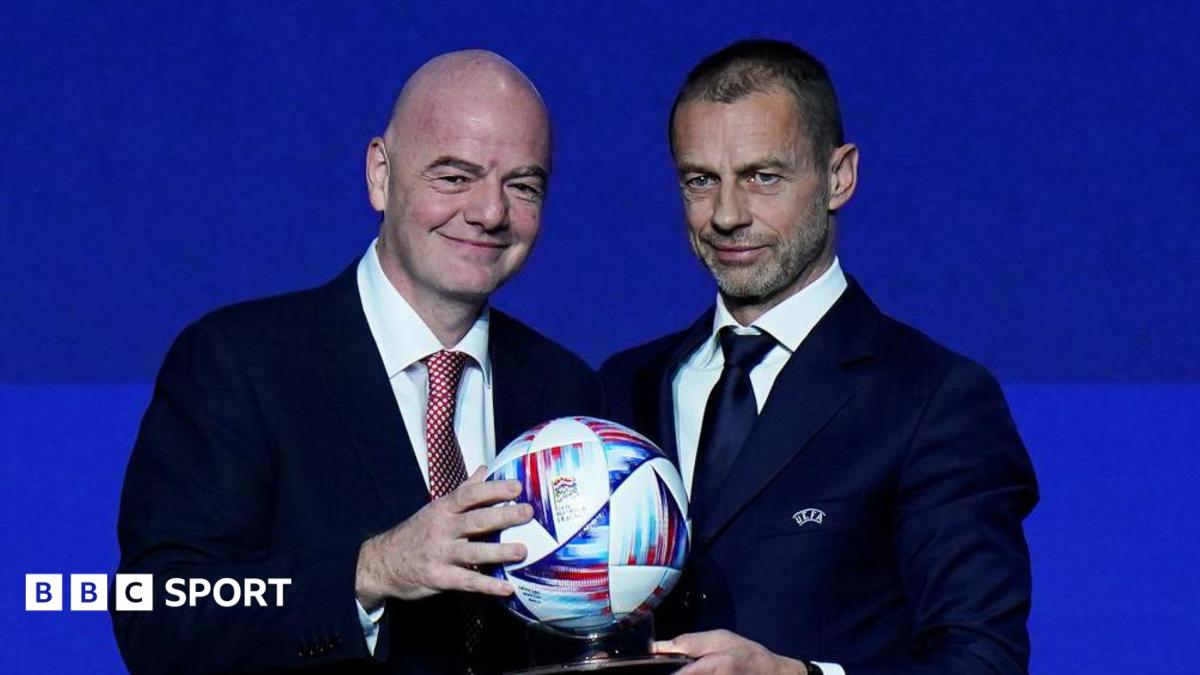
Gianni Infantino faces governance breakdown as European FAs pull support
3 weeks, 3 days ago
Gianni Infantino's desperate survival campaign just turned into a circus
3 weeks, 5 days agoFIFA's 48-Team World Cup Monster Was Pure Greed and Total Chaos
3 weeks, 6 days ago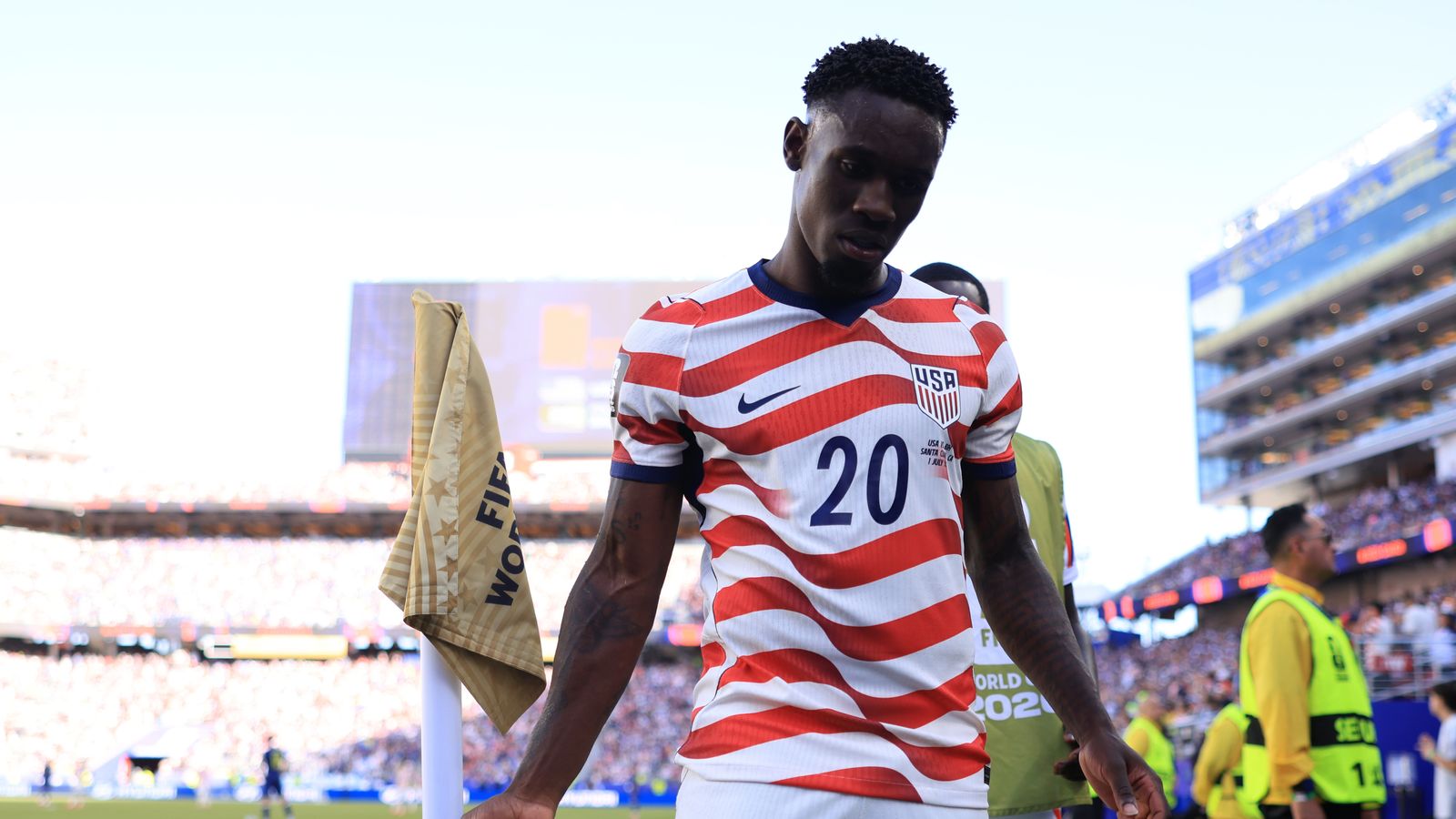
FIFA's Balogun U-Turn Proves Football's Rulebook Is Broken
4 weeks, 1 day agoMore Analysis
Why the Premier League is ending automatic minute's silences
1 week, 2 days ago
Gianni Infantino faces governance breakdown as European FAs pull support
3 weeks, 3 days ago
Gianni Infantino's desperate survival campaign just turned into a circus
3 weeks, 5 days agoFIFA's 48-Team World Cup Monster Was Pure Greed and Total Chaos
3 weeks, 6 days ago
FIFA just fired the one guy who stopped Gianni Infantino's cash grab
4 weeks, 2 days ago