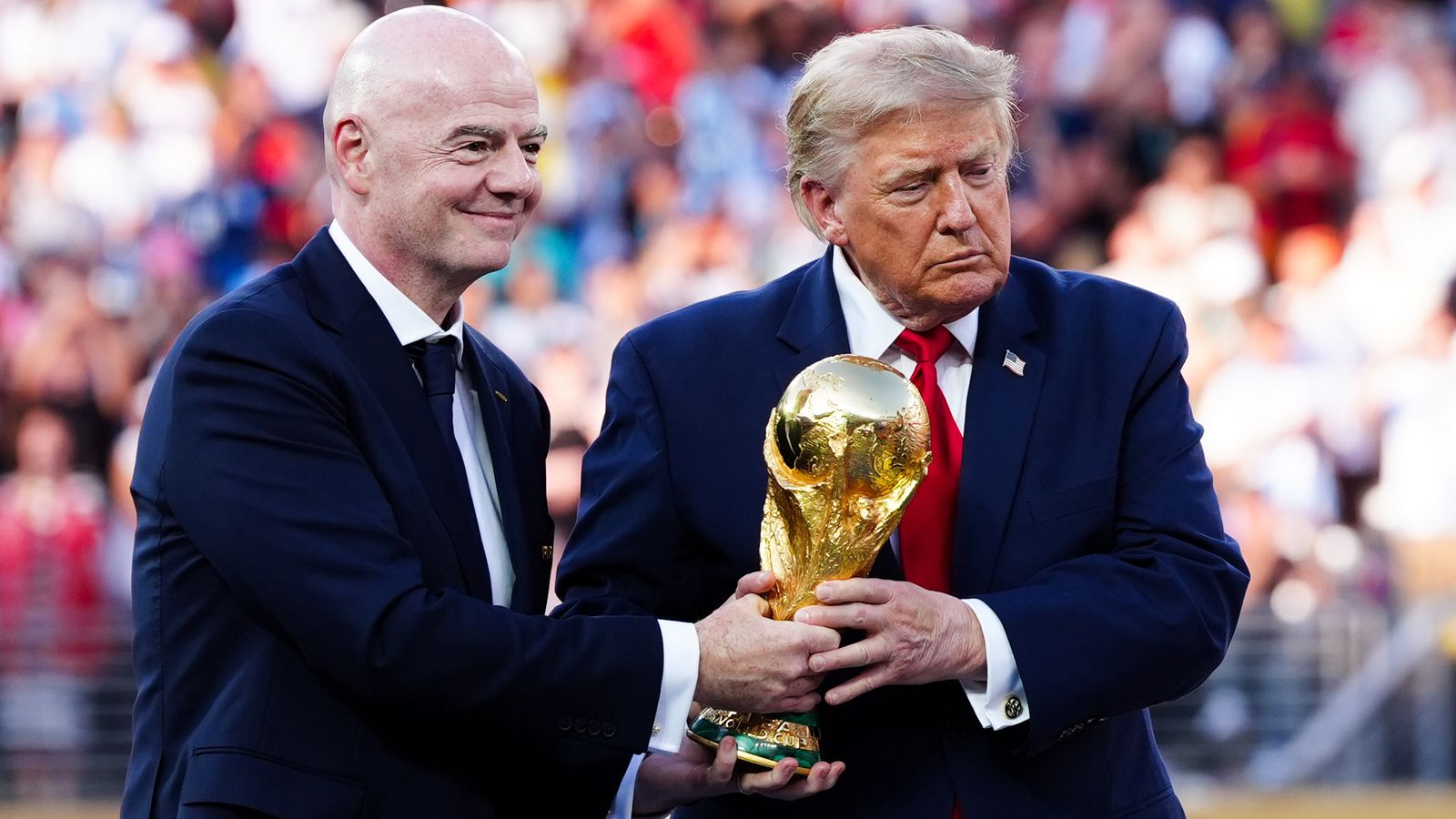
The first cracks in the fortress
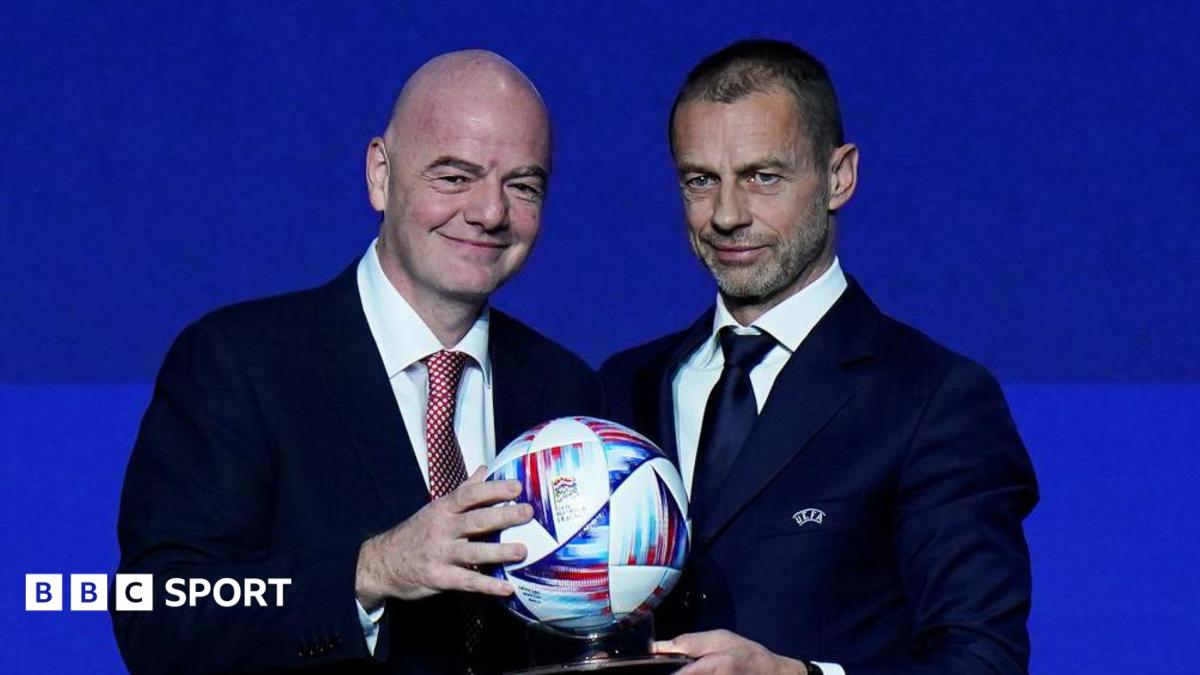
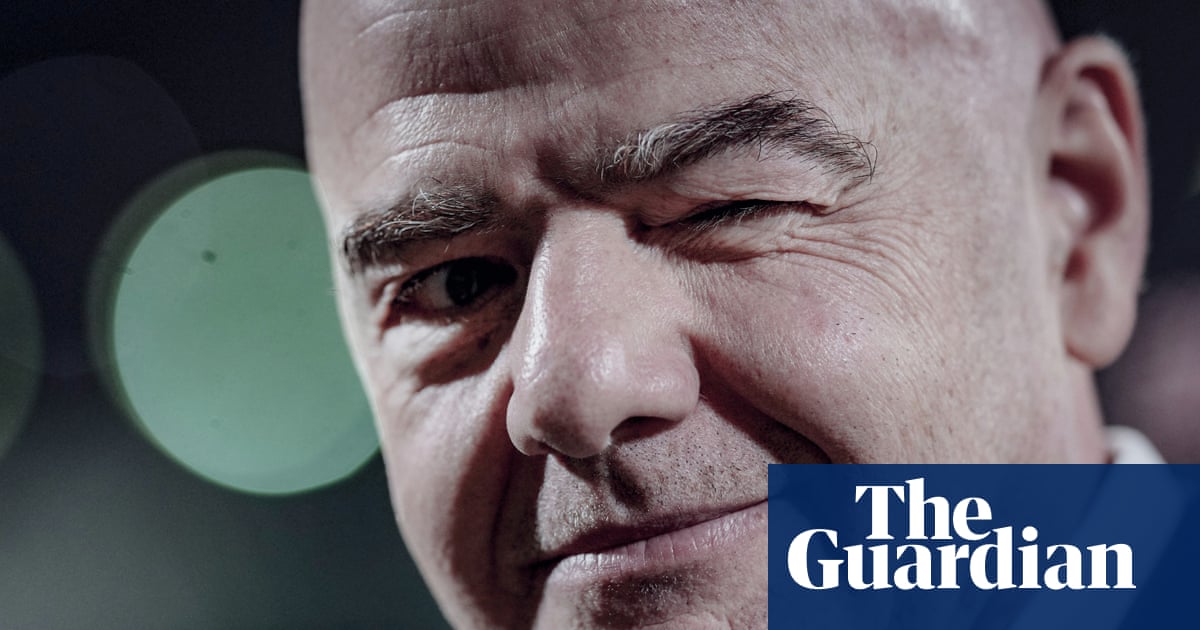
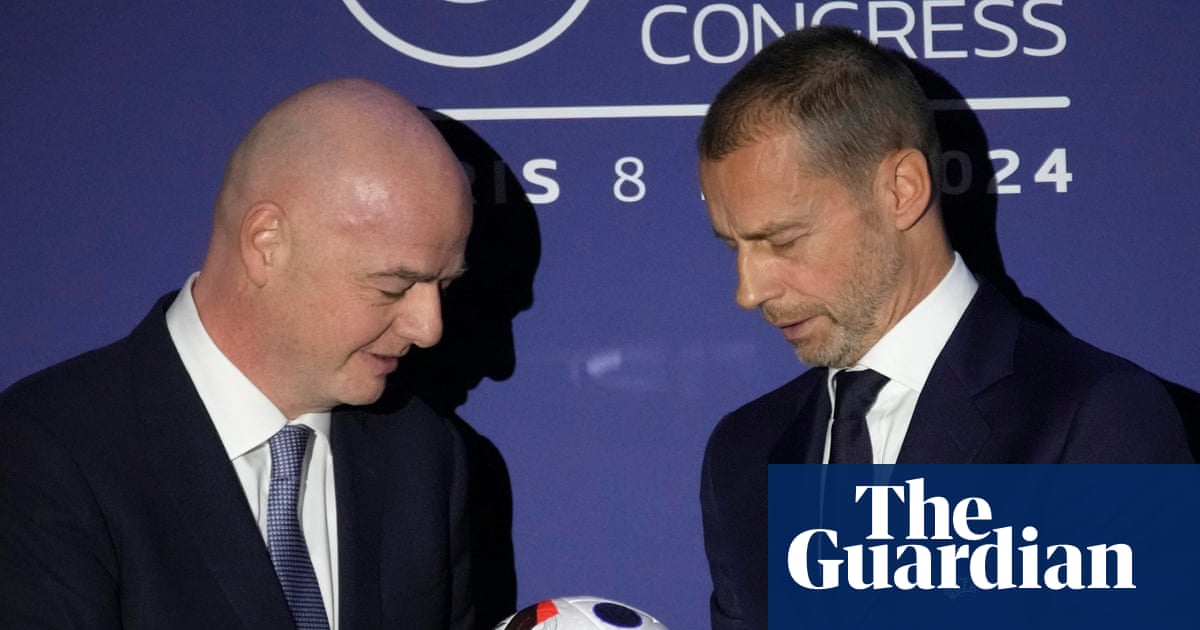
Gianni Infantino has spent much of his FIFA presidency operating with the bulletproof confidence of a executive who knows the electoral math is stacked permanently in his favor. When you hold the keys to FIFA’s vast redistribution engine, domestic federations rarely step out of line. Yet the news that a UK football association has officially withdrawn its backing for Infantino's re-election next March marks a significant turn in Zurich’s political weather.
The decision comes directly from the Football Association of Wales, making them the first UK member to publicly break ranks. This isn't just a symbolic gesture of dissent; it is a calculated response following Infantino's sudden U-turn on plans to effectively sell off key commercial rights to the World Cup. For months, opposition had been building behind closed doors, but Wales taking a public stance forces every other UEFA member state to answer a uncomfortable question ahead of next year's vote.
A commercial U-turn too far
The catalyst for this fallout centers on Infantino’s controversial project to restructure the commercial model of the expanded World Cup. The proposal, which was quietly pushed through executive channels before suffering an embarrassing retreat just days ago, aimed to monetise future tournament rights through external investment vehicles. It was a classic Zurich maneuver: wrap a cash-grab in corporate jargon and present it as modernising the game's financial ecosystem.
What the FIFA executive office failed to calculate was the pushback from European associations who saw their own broadcast revenues and calendar control directly threatened. When the backlash reached critical mass, Infantino reversed course, but the political damage had already been done. The retreat exposed a rare moment of vulnerability at the top of world football, proving that even Infantino’s core voting blocs have structural breaking points.
The mechanics of opposition
To understand why the Welsh FA's stance matters, you have to look at the voting mechanics of FIFA’s Congress. Each of the 211 member associations holds an equal vote, a system that has historically allowed sitting presidents to build unassailable majorities across smaller confederations. Breaking the illusion of total consensus is always the hardest part of any challenge to FIFA's leadership.
By putting their decision on the record in early August 2026, the Welsh FA has created a precedent for other European governing bodies who harboured similar reservations about Infantino's executive overreach. As The Mirror reported, this marks the first official withdrawal of support from a UK member ahead of the upcoming election cycle. It establishes a visible fault line seven months before votes are cast.
Zurich’s tactical dilemma
Infantino’s strength has always been his ability to keep regional confederations aligned through targeted development grants and expanded tournament allocations. The expansion of the World Cup to 48 teams was the ultimate political masterstroke, securing loyalty across Africa, Asia, and the CONCACAF region. However, over-leveraging commercial rights without consulting key traditional stakeholders has breached an implicit treaty with European members.
The defensive structure around Infantino's presidency is not going to collapse overnight. He still holds a massive base of support across the global game, and UEFA itself has rarely managed to maintain a unified voting front during presidential elections. But governance issues and erratic executive decisions have a way of compounding once the first domino falls.
The prediction: A campaign defined by friction
Expect Infantino to launch a diplomatic charm offensive over the coming months to isolate the Welsh FA and prevent a wider European revolt. He will likely deploy targeted financial guarantees to keep key voting blocs firmly in line before the campaign officially heats up in early 2027.
However, the aura of invincibility is gone. While Infantino remains the overwhelming favorite to secure another term next March, this vote will no longer be the frictionless coronation his office anticipated. The Welsh FA's public stand has ensured that every strategic misstep from Zurich will now be challenged in broad daylight.
Read Next
- Top 10: The defining moments of football's political civil war
- Gianni Infantino is finally running out of runway
- Gianni Infantino is facing an overwhelming 99% vote of no confidence
- Infantino’s back-room failure exposes FIFA's biggest structural weakness
- 🏴 Wales at the 2026 World Cup — Full Coverage Hub