The end of the clean sheet streak
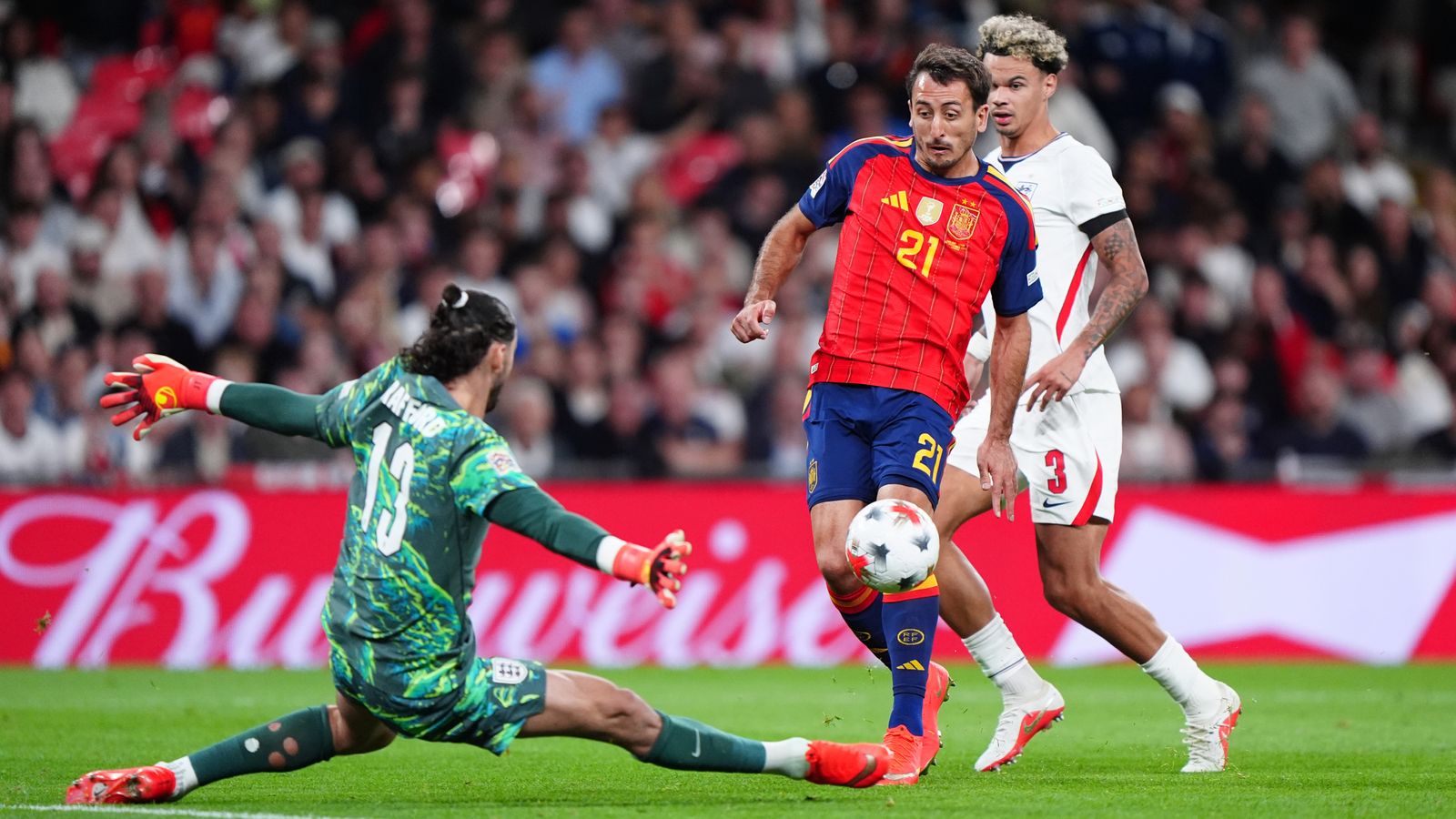
For the majority of the 2026 World Cup, Spain appeared to be operating on a different tactical plane. Their high defensive line, anchored by aggressive central pressing, had successfully suffocated opponents. That streak of defensive perfection finally evaporated today at the 42nd minute when Belgium found the breakthrough to equalize.
Watching the replays, the structural flaw was clear. Spain’s transition defense relies on the proximity of the holding midfielder to the center-back pairing. When Belgium broke, the gap between the defensive line and the midfield block widened by five yards compared to the first thirty minutes. This created the exact pocket of space that De Bruyne thrives in, leading to the clinical finish.
Tactical drift in the second half
Spain’s manager, Luis de la Fuente, has staked everything on possession-heavy control to suppress counter-attacks. However, the stats from the opening 45 minutes tell a story of diminishing returns. Spain’s pass completion rate hovered near 92% early on, but dropped to 84% once Belgium deployed a man-marking scheme on the pivot.
This is where the skepticism creeps in for the knockout rounds. While the squad possesses immense talent, their inability to adjust the tempo when the opposition successfully clogs the middle third remains a glaring issue. As Sky Sports noted, the intensity of this match has dictated a frantic pace that seemingly favors the counter-attacking side more than the ball-dominant favored nation.
The defensive rotation problem
Perhaps the most problematic tactical decision has been the rotation in the full-back positions. Relying on overlapping runs is fine when you are comfortably ahead, but it leaves exposed channels behind the defensive line. Belgium’s goal was a direct consequence of a winger tracking back too late to cover the vacated space behind the left-back.
If Spain cannot re-establish their vertical compactness, this tournament campaign could end prematurely despite the quality of their attacking third. There is a thin line between aggressive ball progression and total defensive exposure.
Anticipation for the final whistle
The stakes for the remainder of this match are immense. A draw forces Spain to recalibrate their bracket position, likely leading to a much harder road to the final. Their reliance on technical superiority over sheer physical endurance is being tested by the relentless running of the Belgian midfield.
Looking at the match heat maps, the concentration of play in the attacking third for Spain doesn't reflect the threat they’ve actually generated throughout the afternoon. A deep drive into the box rarely translates into high-quality xG when the final pass is rushed by defensive pressure. They are forced to rely on half-chances.
Final analysis and prediction
The momentum has clearly shifted in favor of the side that makes the fewest unforced errors in the final third. I expect Belgium to tighten their defensive shell even further, sitting deeper to invite pressure. They are clearly playing for the 1-1 result, which they perceive as a victory given the historical gap between the two squads.
Spain will struggle to find a decisive goal before the 90th minute. I predict the match concludes in a frustrating draw that exposes Spain’s lack of a true plan B. My call is a 1-1 finish, exposing the fragility of the favorite's tactical blueprint.
Read Next
- Spain and Belgium collide in a tactical masterclass
- Tactical tension as Spain-Belgium headlines the knockout stages
- France are dismantling the World Cup field with clinical efficiency
- France's clinical efficiency is papering over the cracks
- 🇪🇸 Spain World Cup 2026 — La Roja Hub
- 🇧🇪 Belgium World Cup 2026 — Red Devils Hub