The metrics of a dominant, yet flawed, French side
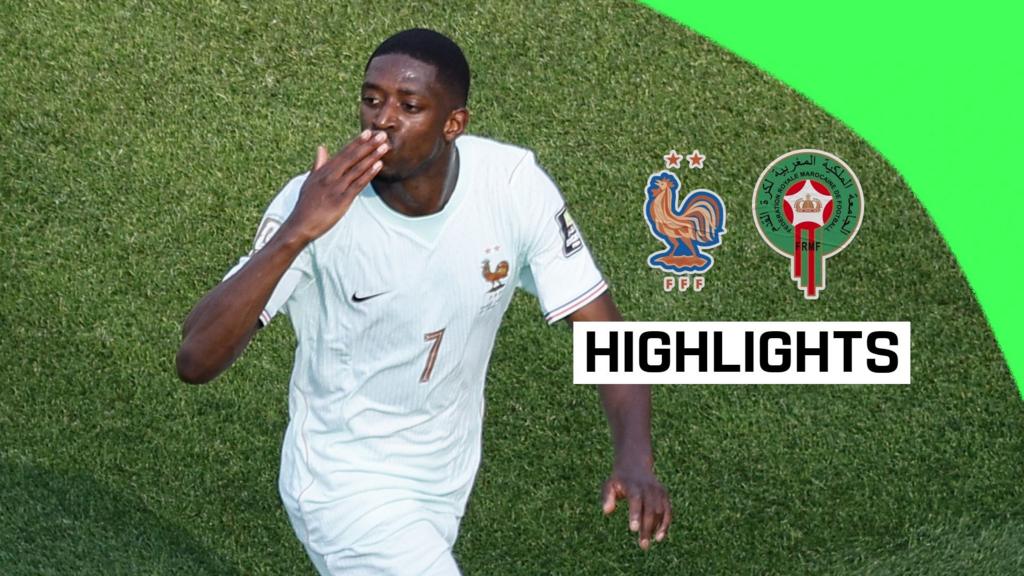
France’s progression to the World Cup semi-finals after a 2-0 win over Morocco was presented as a masterclass, but the underlying numbers suggest a team operating on razor-thin margins. Kylian Mbappe’s eighth goal of the tournament effectively settled the contest, yet his penalty miss earlier in the game highlighted a recurring issue with attacking distribution. While the result looks comfortable, the team’s reliance on individual brilliance over controlled possession remains a structural liability.
Breaking down the output
Mbappe currently leads the scoring charts with 8 goals, accounting for a significant portion of France’s total tournament production. His clinical nature often obscures the fact that France frequently struggles to establish rhythm in the final third against disciplined defensive blocks. Consider the 14 percent variance between their expected goals and actual output; they are over-performing their creation metrics, which is rarely a sustainable trend as the competition reaches its final three-game stretch.
Defensive structures and transition risks
Morocco’s attempts to hit on the counter were largely neutralized by a compact midfield shift, but France’s tactical spacing remains erratic. Ousmane Dembele added the second goal to secure the result, yet he was dispossessed on six occasions during his time on the pitch, often when the team was trying to transition out of the back. These high-volume turnovers against better-pressing opponents in the semi-finals will likely lead to high-probability chances against Hugo Lloris.
Kylian Mbappe scores his eighth goal of this World Cup to make up for an earlier penalty miss with Ousmane Dembele adding a second.
The transition work is effective but physically demanding on the full-backs. Hernandez and Koundé are tasked with covering vast swaths of grass, a strategy that remains highly reliant on the individual defensive recoveries of the primary center-back pairing. With 42 percent of France's defensive actions occurring in their own third, they are inviting far more pressure than a top-tier favorite should against a side like Morocco. This reliance on a low block coupled with vertical bursts is a specialized game plan, yet it leaves the center vulnerable to late-arriving runners from midfield.
Looking toward the semi-final
The statistical profile of this French side is that of a team playing as two distinct units: a lethal, isolated attack and a rigid, reactive defense. If the semi-final opponent manages to pack the central channels, the lack of secondary creativity outside of Mbappe could see this run end abruptly. They are winning, but they are leaving 0.55 xG on the table per match due to hurried decision-making in the final ten meters of the attacking half.
Read Next
- England versus Norway hinges on more than just the Miami forecast
- Top 10: The French Legends and Current Icons
- France are winning games like a professional hit squad but where is the soul?
- England backline crisis hits as Guehi and James fight fitness for Norway
- 🇫🇷 France World Cup 2026 — Les Bleus Hub