
Roberto Martínez finally did what no Portugal manager dared to do
The Kit Clash and the Toronto Stalemate
Portugal walked onto the BMO Field turf in Toronto wearing their light-coloured away kit. A bizarre kit clash forced this change under FIFA's equipment regulations, as explained by Mirror Football. It felt like an omen.
The red shirts were gone, and so was Portugal's usual swagger. Roberto Martínez lined his side up in a structure designed to dominate possession but instead achieved only stagnation.
In the first half, Croatia's mid-block squeezed the central spaces. Luka Modric, even at his advanced age, dictated the defensive spacing. He directed teammates with sharp hand gestures and minor shifts in positioning.
Portugal's center-backs passed horizontally from Ruben Dias to Goncalo Inacio. Inacio back to Dias. The tempo was slow.
Joao Palhinha sat deep, offering little forward progression. Vitinha tried to drop between the lines, but Marcelo Brozovic or Mateo Kovacic closed him down immediately.
The stats showed the story of the first 45 minutes. Portugal had 58% possession but registered only one shot on target. It was a speculative effort from outside the box.
Croatia looked comfortable, waiting for their moments to press. Their pressing trigger was clear. Whenever Inacio took a heavy touch or tried to play into Palhinha's back, Croatia snapped forward.
Modric led the jump, supported by Andrej Kramaric. It disrupted Portugal's rhythm entirely.
Portugal's 3-2-4-1 build-up shape under Martínez has often struggled when faced with disciplined mid-blocks. In this system, the wide players must provide extreme width to stretch the opponent.
But Rafael Leao was kept quiet by Josip Stanisic, who refused to bite on his initial feints. On the opposite side, Dalot acted more as an inverted full-back, leaving the right flank vacant.
This imbalance allowed Croatia to slide their defensive block toward Leao's side, effectively neutralizing Portugal's primary outlet. It forced Fernandes to drop deeper than intended to find the ball.
The lack of movement off the ball was glaring. Bruno Fernandes looked frustrated, repeatedly pointing to empty spaces where he wanted runners. But the Portuguese frontline remained static.
Cristiano Ronaldo stayed pinned between Croatia's center-backs, Joško Gvardiol and Josip Šutalo. This positioning made it easy for Croatia to defend, as they did not have to worry about runners from deep.
The half ended goalless, a fair reflection of a tactically cautious affair. Neither coach was willing to commit bodies forward yet.
The Breaking Point and Perisic's Strike
The second half started with a shift in Croatia's verticality. They began exploiting the spaces behind Portugal's full-backs. Nuno Mendes was caught too high.
Diogo Dalot looked isolated on the right. In the 53rd minute, the deadlock broke.
Ivan Perisic made a diagonal run from the left wing, slicing into the penalty area. Josip Sutalo played a crisp, line-breaking pass from deep.
Perisic collected it, leaving Dalot trailing in his wake. His finish was clean, driving the ball low past Diogo Costa into the far corner.
It was a well-executed move that exposed Portugal's lack of defensive cover. The Croatian section of the crowd in Toronto went wild.
Portugal was forced to react. Martínez gestured frantically from the technical area. The team needed speed, but they remained slow.
Ronaldo was isolated up front, cut off from the rest of the team. Let's look at the tactical breakdown of that goal.
It started with a turnover in the middle third. Vitinha tried a vertical pass that was intercepted by Kovacic. Within three seconds, Croatia transitioned from defence to attack.
Kovacic fed Modric, who quickly cycled the ball to Šutalo. The center-back had time to look up and spot Perisic's run.
Portugal's rest defense was nonexistent. Palhinha was caught ball-watching, failing to drop into the defensive line to cover the space left by Inácio, who had stepped out to challenge Modric.
Dalot was left in a two-on-one situation against Perisic and the overlapping Borna Sosa. It was a classic structural failure, the kind that separates elite defensive units from teams that merely clean up against weaker opposition.
But knockout football is defined by moments of individual error. In the 67th minute, Portugal found their lifeline.
Rafael Leao drove into the box, using his speed to bypass Josip Stanisic. The defender lunged, mistiming his tackle, and brought Leao down.
The referee immediately pointed to the spot. Cristiano Ronaldo stepped up. The tension in Toronto Stadium was immense.
Ronaldo placed the ball, took his traditional deep breath, and fired it home in the 68th minute. The goalkeeper went the wrong way.
The equalizer brought Portugal back into the game. It was Ronaldo's first-ever goal in a World Cup knockout stage match.
He celebrated with his usual intensity, running to the corner flag. Yet, the joy was brief.
The Midfield Collapse and the Historic Hook
The goal masked deeper structural flaws that Croatia was about to expose. After the equalizer, Portugal failed to build any momentum.
Instead, Croatia dominated the central zones. Kovacic, Modric, and Sucic began playing around Portugal's midfield pivot.
The Portuguese lines stretched. The distance between the forward line and the midfield grew too large.
Ronaldo, at 41, could not offer any defensive work rate. He remained high up the pitch, waiting for counter-attacks that never came.
In the 75th minute, Croatia nearly retook the lead. Mateo Kovacic drove forward from midfield, unchallenged. He struck a powerful shot from the edge of the area.
Diogo Costa made a brilliant diving save to turn it onto the post. The ball rebounded back to Kovacic, who struck it again. Costa, reacting instantly, kept it out once more.
It was a warning sign. Three minutes later, Costa was called upon again.
In the 78th minute, Croatia carved through Portugal's left flank. Sucic found Mantanovic in the box. Costa made himself big, denying the Croatian forward from close range.
Portugal was hanging on by a thread. The midfield was completely overrun. Martínez had to make a change to prevent a second Croatian goal.
- 75th minute: Kovacic hits the post and Costa stops the rebound.
- 78th minute: Costa denies Mantanovic from point-blank range.
- 80th minute: Sucic has a goal disallowed for offside.
Then came the moment that will define his tenure. In the 82nd minute, the board went up. Number 7 was in red.
Cristiano Ronaldo was coming off. In his place, Ruben Neves entered the pitch.
It was a defensive move, aimed at adding a third body to the midfield. Martínez chose control over the threat of his captain.
As the Sky Sports live blog reported, William Bitibiri observed the tactical change closely. His commentary captured the raw emotion of the moment.
Ronaldo wasn't happy. He never is when he comes off. That's been true for 20-odd years. His face was less a picture of frustration and more of a sadness or resignation.
This was not the fiery Ronaldo of old. It was a player realizing he could no longer carry his country in these moments. The great man sat on the bench, watching his team fight for survival.
Let's analyze the tactical implications of this substitution. Historically, hooking Ronaldo in a knockout match would be considered heresy.
Fernando Santos did it in 2022, but that was after Ronaldo's form had completely collapsed and tension had reached a boiling point. Here, Martínez did it in a tied game with extra time looming. It was a cold, calculated decision.
Croatia was exploiting Portugal's inability to press from the front. With Ronaldo leading the line, Portugal's press was easily bypassed.
The Croatian defenders had all the time in the world to pick their passes. By replacing Ronaldo with Neves, Martínez shifted to a 3-5-2 or 4-5-1 out of possession, placing Bruno Fernandes as a false nine or pushing Leao central.
This closed the passing lanes that Kovacic and Modric had been exploiting. The tactical adjustment immediately changed the pacing of the game.
The Stoppage-Time Siege
With Neves on the pitch, Portugal shifted to a more compact shape. The defensive bleeding stopped, but the attacking threat vanished.
Without Ronaldo's presence, Croatia's defenders pushed higher. The match entered a chaotic final phase.
The referee signaled that 10 minutes of stoppage time would be added. Ten minutes of survival for a tired Portuguese side.
Croatia pushed for the winner before extra time. In the 88th minute, Sucic toyed with Renato Veiga on the right flank. He shifted the ball onto his left foot and crossed toward the back post.
Mario Pasalic met the cross, crashing into the penalty box. His header went wide of the post. It was a massive letdown for Croatia, who should have put the game to bed.
Portugal had one final chance in the 91st minute. They won a corner against the run of play. Vitinha crossed the ball into the box.
Ruben Dias rose above the Croatian defenders, meeting the ball cleanly. But his header sailed off target. It was the final action of normal time.
The whistle blew. The match was headed to extra time, and Portugal would have to play it without Cristiano Ronaldo.
Let's examine the performance of Renato Veiga. The young defender struggled immensely under the pressure.
Luka Sucic exposed his lack of lateral quickness repeatedly in the final twenty minutes. The 88th-minute incident was a prime example: Veiga was caught flat-footed, allowing Sucic to fake inside and then cross easily.
If Pasalic had kept his header on target, Veiga's error would have been the headline today. Instead, the young center-back escaped with a warning. But Croatia will surely target him again.
This is the cost of Martínez's tactical pragmatism. By subbing off Ronaldo, he chose defensive solidity, but he also invited pressure.
Portugal's inability to keep possession in the final ten minutes was alarming. Neves did his defensive duties, but he lacked the vertical passing to launch counter-attacks.
Leao looked isolated, running into blind alleys without support. This match has raised fundamental questions about Portugal's identity.
Are they a team that plays to accommodate their aging superstar, or are they ready to move forward? The decision in the 82nd minute suggests the transition has already begun, whether Ronaldo likes it or not. The upcoming extra time will show whether Portugal can survive this new reality.
Read Next
- Martínez subbing Ronaldo off is either a masterstroke or a death sentence
- Cristiano Ronaldo is finally ready to walk away from Portugal
- Portugal and Croatia face a grueling tactical battle in Toronto
- Portugal is playing like they’ve never met before against Croatia
- 🇵🇹 Portugal World Cup 2026 — A Seleção Hub
Frequently Asked Questions
Why did Portugal wear their away kit against Croatia in Toronto?
How did Croatia disrupt Portugal's first-half build-up play?
Who scored the opening goal for Croatia in the second half?
What tactical build-up formation did Roberto Martinez use for Portugal?
Who kept Cristiano Ronaldo pinned during the Portugal vs Croatia match?
More Coverage

Scotland's attacking promise died in the 11th minute against Switzerland
1 day, 14 hours ago
England win in Prague but Thomas Tuchel still has tactical puzzles to solve
1 day, 17 hours ago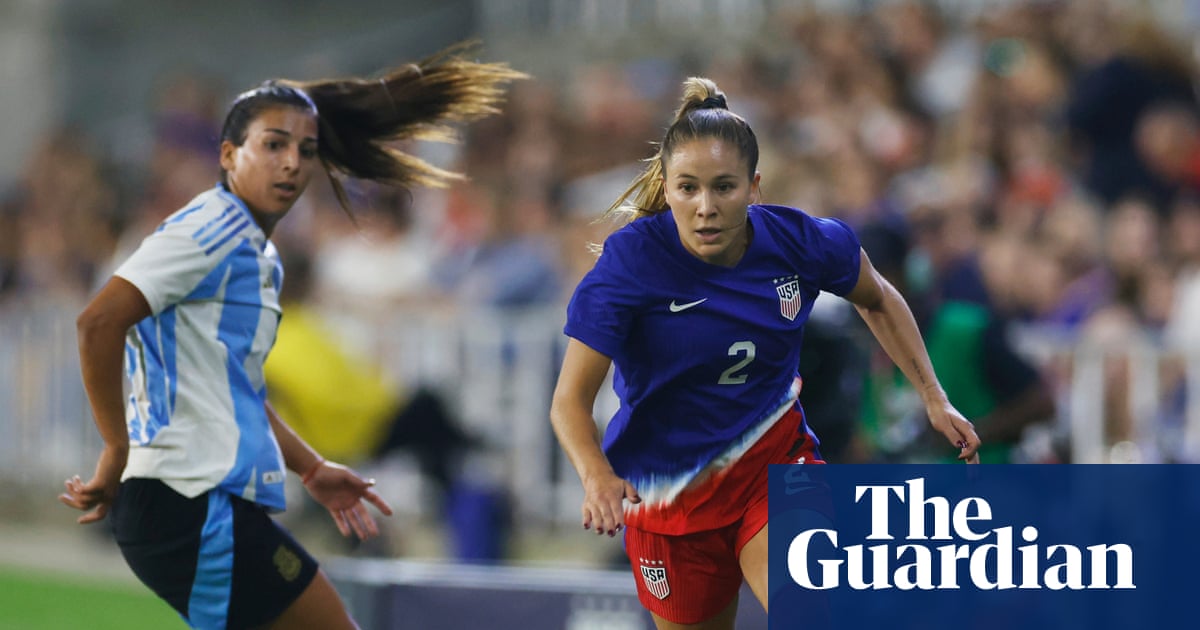
Ashley Sanchez's 20-goal NWSL season creates a massive USWNT tactical puzzle
1 day, 23 hours ago
Ashley Sanchez is scoring at will, but where does she fit under Emma Hayes?
1 day, 23 hours ago
Northern Ireland bullied Hungary in Belfast, but missed chances cost them
2 days, 8 hours ago
Tuchel's England look completely rattled by Man City's guilty verdict
4 days, 13 hours agoMore Analysis
Cristiano Ronaldo at 41: The endless pursuit of goal number 1,000
1 week ago
Craig Bellamy rejected Burnley for Wales, but now comes the real test in Lisbon
1 week ago
Cristiano Ronaldo is not done yet and his 1,000-goal obsession proves it
1 week ago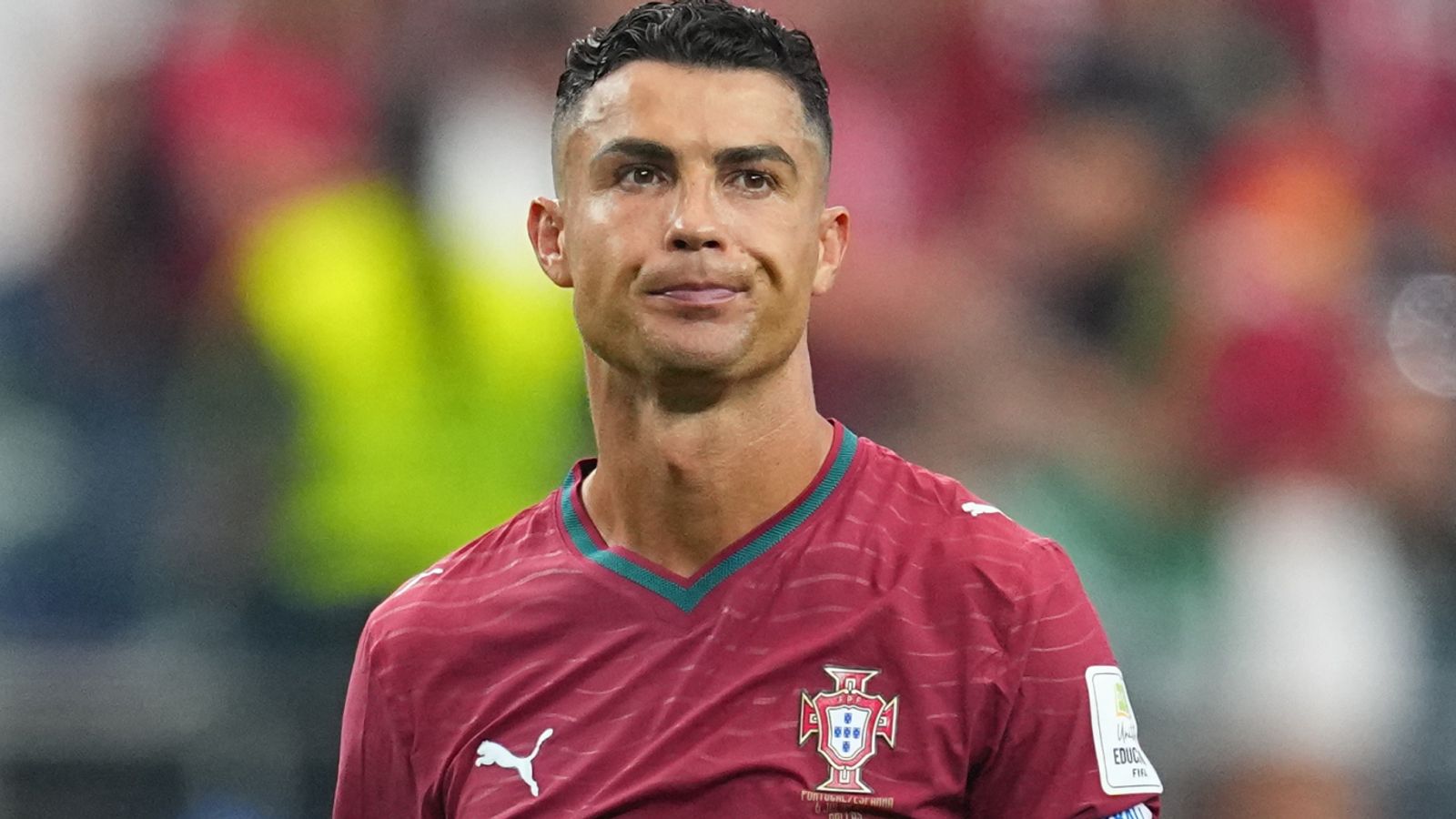
Cristiano Ronaldo wants 1,000 goals, but Portugal might be past him
1 week ago
Top 10: Top Moments in Cristiano Ronaldo's Pursuit of 1,000 Goals
1 week, 1 day ago